
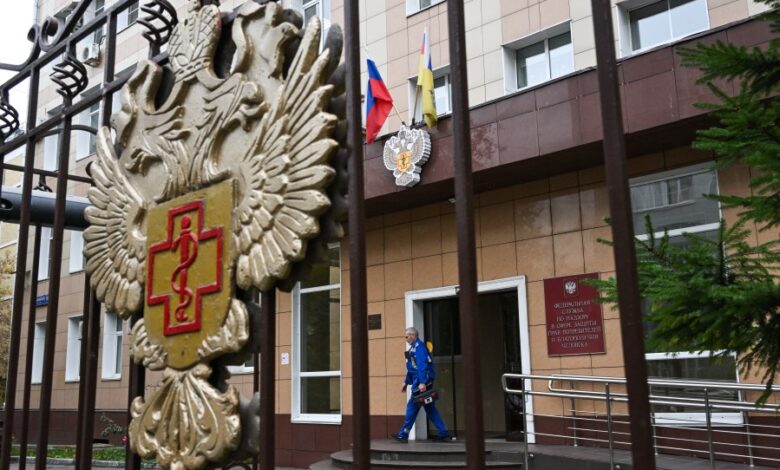
The decision follows reports that a Russian laboratory worker died from pneumonic plague, a severe form of the disease that affects the lungs and can be transmitted from person to person. The death has raised significant public health concerns due to the worker’s potential exposure to the Yersinia pestis bacterium in a controlled setting. Pneumonic plague is distinct from the more common bubonic form, as it is airborne, allowing for rapid spread among close contacts if not contained quickly.
While the CDC’s response focuses on active surveillance and assessment of incoming travelers, the circumstances surrounding the initial case in Russia remain a subject of public dispute. The mother of the deceased laboratory worker has publicly rejected the official narrative regarding her son’s death. In a statement, she asserted, “I know the truth,” indicating a divergence between the family’s account and the reported medical cause of death. This dispute highlights the challenge of verifying individual health outcomes in the face of emerging infectious disease reports, particularly when the affected individual had professional access to pathogens.
From a medical perspective, the presence of a possible pneumonic case in a laboratory setting warrants heightened vigilance. The Yersinia pestis bacterium, responsible for plague, has a long history of causing major pandemics, most notably the Black Death in the 14th century. While modern medicine has made plague a treatable condition with antibiotics when diagnosed early, the fatality rate for untreated pneumonic plague is nearly 100%. The speed of transmission in the pneumonic form means that early identification of exposed individuals is critical to preventing community spread.

The CDC’s current measures represent a standard precautionary approach in international health security. By targeting travelers from the specific region where the case was reported, public health officials aim to detect any potential cases at the point of entry. This involves screening for symptoms such as fever, chills, and rapid deterioration of respiratory function. The availability of effective antibiotics like streptomycin, gentamicin, or doxycycline makes early intervention highly effective, but only if the disease is caught before it progresses to septicemic or secondary pneumonic stages.
It is important to distinguish between the reported possible case in Russia and any confirmed outbreaks in other regions. There is no evidence to suggest that plague is currently circulating in the United States or Europe. The CDC’s actions are preventive, aimed at ensuring that if a case did occur, it could be isolated and treated without leading to broader transmission. The agency continues to monitor the situation in Russia and will adjust its screening protocols based on further verification of the case and the extent of local transmission.
The differing accounts regarding the laboratory worker’s death introduce a layer of uncertainty that public health authorities must navigate. While the family’s statement suggests alternative causes for the death, the initial report of pneumonic plague has triggered standard international health protocols. These protocols are designed to be robust enough to handle verified cases while remaining proportionate to the risk. The focus remains on the biological threat posed by the bacterium and the need for rapid diagnostic and treatment capabilities in any region where a case might be identified.

As the situation unfolds, the next verified development will likely involve further epidemiological data from Russian health authorities or additional screening results from the CDC. Until further confirmation is available, the emphasis remains on the availability of medical countermeasures and the importance of public vigilance without alarm. The health system’s readiness to respond to respiratory illnesses remains a key component of managing any potential re-emergence of plague, ensuring that clinical teams can differentiate between common respiratory infections and rarer, more dangerous pathogens.
The involvement of the CDC underscores the global nature of infectious disease monitoring. Even when a potential case is reported in a distant region, the interconnectedness of modern travel necessitates a coordinated response. The measures put in place are a reflection of the current state of global health security, where early detection and rapid assessment are the primary tools for preventing a localized incident from becoming a public health crisis. The situation remains under active review, with health authorities prepared to escalate responses should new evidence emerge.