The measles virus, a highly contagious pathogen, remains a significant public health concern despite the availability of safe and effective vaccines. While the majority of cases in developed nations are linked to unvaccinated individuals, the impact of the disease does not discriminate strictly by choice; it exploits gaps in community immunity. For children under the age of four, the risk of severe complications increases significantly. The confirmation of this death highlights the critical intersection between individual health decisions and broader population-level protection, often referred to as herd immunity.
When a member of the community falls ill, the ripple effects extend beyond the individual. The department’s decision to withhold specific details, including the child’s vaccination status, reflects a standard protocol to protect the privacy of the deceased and their family. However, this lack of specific data introduces an uncertainty in the immediate analysis of the case. Without knowing whether the child was vaccinated, it is difficult to determine if this represents a failure of vaccine efficacy, a gap in vaccination coverage, or an exposure event in a setting where unvaccinated individuals were present. In public health terms, this ambiguity complicates the ability to target interventions with precision, forcing authorities to rely on broad-based surveillance and contact tracing.

Measles is not merely a childhood rash; it is a systemic viral infection that can lead to serious complications such as pneumonia, encephalitis (inflammation of the brain), and even death. The mortality rate, while low in countries with high vaccination coverage, rises sharply in populations where immunity is fragmented. The fact that this death has occurred in Virginia, a state with established healthcare infrastructure, serves as a cautionary indicator that the threat of measles has not been eradicated. It suggests that pockets of susceptibility remain, allowing the virus to circulate and cause severe outcomes in those who are most at risk.
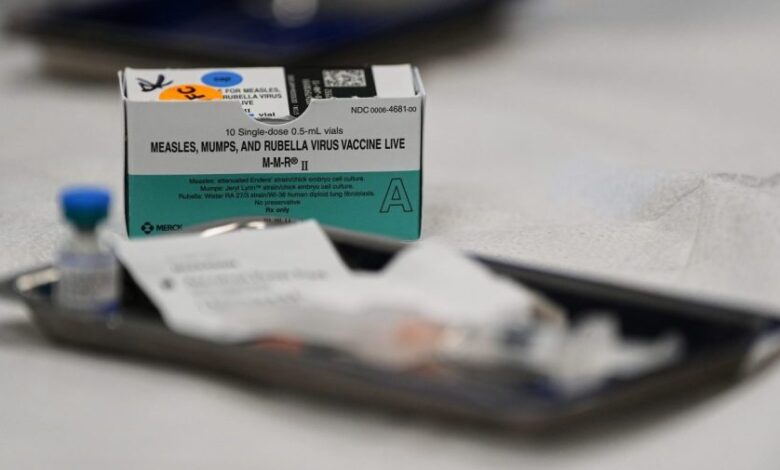
The medical significance of this event lies in its demonstration of the fragility of disease control. Vaccination programs have historically reduced the incidence of measles to negligible levels, but the virus circulates globally. Every time an unvaccinated individual introduces the virus into a community, the chain of transmission can reach those who cannot be vaccinated due to age, medical conditions, or other contraindications. Children under one year old, for instance, are not yet eligible for the first dose of the MMR (measles, mumps, and rubella) vaccine, making them entirely dependent on the immunity present in their surrounding community. The death of a child in this age group is a potent illustration of the indirect protection that vaccination provides to the broader population.
Public health authorities are likely to be conducting an in-depth investigation to understand the scope of the exposure. This process involves identifying close contacts, assessing their vaccination status, and administering post-exposure prophylaxis where appropriate. The response to such a case is a test of the health system’s agility and its ability to communicate effectively with the public. Clear, factual information is essential to counter misinformation and to encourage adherence to vaccination guidelines. By confirming the death and the positive test result, the Virginia Department of Health has initiated a necessary dialogue about the seriousness of the disease, even as it maintains a respectful boundary around the privacy of the family involved.

The broader implication of this event is a renewed scrutiny of vaccination rates across the state. If this case is part of a growing trend, it may prompt health officials to review their strategies for increasing coverage. This could include targeted outreach in communities with lower vaccination rates, educational campaigns to address vaccine hesitancy, and enhanced surveillance to detect outbreaks early. The goal is not only to prevent further deaths but to restore the high level of community immunity that acts as a shield against the spread of highly contagious diseases.
As the investigation continues, the focus remains on the verified facts: a positive measles test and a subsequent death in a young child. These facts stand independently of political or social debates, grounded in the clinical reality of the virus’s impact. The next verified development will likely involve the release of further epidemiological data, such as the number of confirmed contacts and the geographic scope of the exposure. Until then, the case serves as a somber reminder that measles remains a dangerous pathogen and that the protection of the most vulnerable members of society requires a sustained, collective commitment to vaccination and public health readiness.