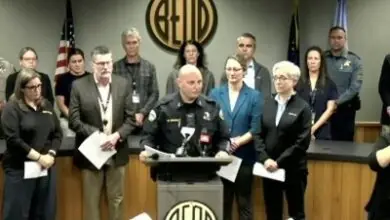
The central legal development is not merely the prosecution of the perpetrator, who is deceased, but the classification of the bystander’s actions. The incident presents a stark contrast between the criminal liability of the shooter and the potential legal protections afforded to the civilian who intervened. Police Chief Mike Kranz stated that the shooting was stopped by an armed passerby who chased the attacker into the school. Governor Tina Kotek described this individual as a “hero” and acknowledged the “heavy emotional burden” of the act. However, public commendation does not equate to a legal determination of justification. The principal legal question now emerging is whether the bystander’s use of lethal force satisfies the legal tests for self-defense, defense of others, or the principles of necessity, which vary in application depending on the specific circumstances and evidence gathered by investigators.
The timeline established by authorities provides the factual basis for this legal scrutiny. The first call to emergency services came at 12:59 p.m. from a driver who reported being shot at near the facility. By 1:02 p.m., the school was placed in full lockdown, and police arrived to find the aftermath. The suspect, a 16-year-old male, had forced entry by shooting through locked doors with a long gun. The brevity of the engagement—described by officials as lasting only a few minutes—means that the decision-making process of the bystander occurred under extreme time pressure. In legal terms, the reasonableness of the bystander’s perception of imminent danger is the pivotal factor. If the bystander reasonably believed that lethal force was necessary to prevent death or serious bodily injury to the children and staff, the act may be legally justified, thereby precluding criminal charges. Conversely, if evidence suggests the threat had ceased or was not imminent, the bystander could face criminal liability, although the presumption of innocence and the complexities of split-second judgments in high-stress environments often complicate such determinations.
The legal landscape is further complicated by the age of the suspect. As a 16-year-old, the shooter would have been part of the juvenile justice system had he survived. His death removes the possibility of a trial, sentencing, or the application of specific juvenile legal standards regarding intent and culpability. Instead, the focus shifts entirely to the administrative and civil implications of the incident. The families of the victims may pursue civil litigation against the school district or other parties, alleging negligence in security or safety protocols. Such cases do not require a finding of criminal guilt but rather a demonstration that a duty of care was breached. The school, which serves approximately 400 students and employs 40 staff members, faces the immediate administrative burden of managing the aftermath, including the cancellation of all classes in the cities of Bend and La Pine for the day.
It is crucial to distinguish between the statements made by public officials and the findings of a court. Governor Kotek’s remarks, while politically and emotionally significant, do not constitute a legal exoneration of the bystander. Similarly, the police statement regarding the bystander’s role is a factual account of the event, not a legal judgment. The investigation remains active, and the precise sequence of the bystander’s entry and the discharge of their weapon is under review. Until a grand jury or prosecutor issues a formal charging decision, or a civil court renders a verdict, the legal status of the bystander remains undetermined. The presumption of innocence applies to all parties involved, including the bystander, who has not been charged with a crime.
The wider public consequence of the incident is a renewed scrutiny of gun control laws and school safety measures. Oregon ranks twelfth in the United States in terms of gun regulation strictness, according to the organization Everytown. This context is relevant to public policy debates but does not directly affect the criminal or civil liability of the individuals involved in this specific incident. The legal system will focus on the actions of the specific actors: the 16-year-old shooter, the bystander, and the institutions involved. The deaths of the three children and the teacher are the tragic outcome that anchors the legal proceedings, but the resolution will depend on the application of established legal tests to the documented facts.
As the investigation continues, the next confirmed legal step will be the formal review of the bystander’s actions by law enforcement and potentially prosecutorial authorities. The release of the names of the victims and the shooter has been withheld by the police, a standard practice to protect the privacy of the bereaved and to maintain the integrity of the investigation. The legal narrative will unfold through filings, hearings, and ultimately, judicial rulings, rather than through public statements alone. The incident at Silver Rail Elementary encapsulates the intersection of criminal law, civil liability, and public policy, with the legal system tasked with assigning responsibility and providing justice in the wake of a sudden and violent tragedy.