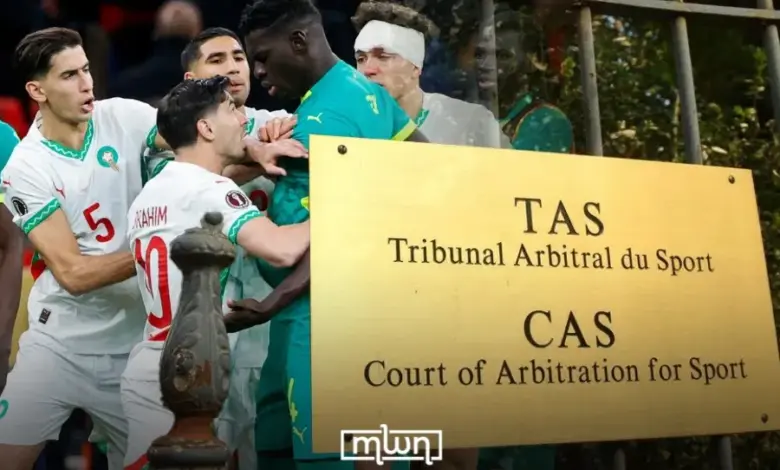
The dispute stems from the AFCON final played on January 18 at the Prince Moulay Abdellah Stadium in Rabat, which was attended by 66,000 spectators. The match, which remained goalless until deep into stoppage time, was interrupted for approximately 16 minutes after Senegalese players left the pitch in protest. The walk-off was triggered by a penalty awarded to Morocco following a Video Assistant Referee (VAR) review in the 98th minute, a decision made by referee Jean-Jacques Ndala. Tensions escalated on the touchline, with Senegal coach Pape Thiaw leading some players and staff toward the tunnel, while supporters clashed with security forces inside the stadium. Senegal captain Sadio Mané reportedly helped convince his teammates to return to the field, allowing the match to resume.
Upon the restart, Morocco missed a significant opportunity to end a 50-year wait for continental glory, as Real Madrid forward Brahim Díaz chipped a penalty into the arms of Senegal goalkeeper Édouard Mendy. Pape Gueye then secured a 1-0 victory for Senegal in the 124th minute, leading the team to believe they had claimed their second AFCON title. Sadio Mané was named the tournament’s best player based on this perceived triumph.
However, the on-field result was overturned months later. On March 17, CAF’s Appeal Board ruled that Senegal’s conduct violated Articles 82 and 84 of the AFCON regulations by abandoning the match. Consequently, the board declared Senegal to have forfeited the game and officially awarded Morocco a 3-0 victory. Senegal has since appealed this decision to CAS, arguing that the referee’s authority over facts connected with play, including the result of the match, is final under Law 5.2 of the Laws of the Game.

The case is being heard by a three-member arbitration panel led by French arbitrator Gérald Simon, alongside Italian arbitrator Luigi Fumagalli and German arbitrator Ulrich Haas. CAS Director General Matthieu Reeb stated that while the hearing schedule was agreed upon by all parties, a final decision should not be expected immediately. Reeb indicated that the tribunal requires time to prepare a fully reasoned decision, suggesting the verdict could take a few days or even several weeks to be delivered. He acknowledged the significant wait for fans across the continent but emphasized the procedural necessity of a comprehensive legal ruling.
The outcome of this arbitration will determine whether Senegal retains the title they believed they won on the pitch or if Morocco’s 3-0 administrative victory stands. Until the CAS panel issues its judgment, the championship remains legally contested, with both nations awaiting a definitive resolution to a dispute that has dominated African football discourse for nearly nine months.