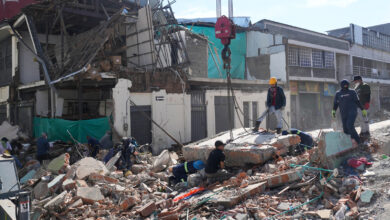
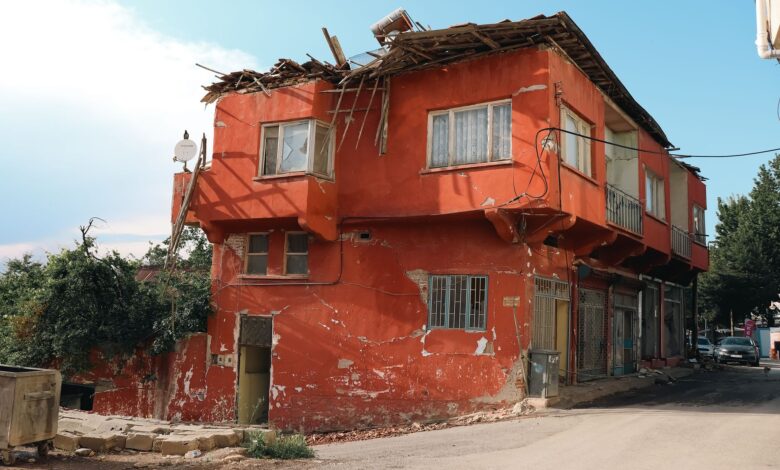
The event serves as a stark reminder that France, while not located on a major tectonic plate boundary, is not immune to significant seismic activity. The southern region, particularly areas near the Mediterranean coast and the Alpine foothills, has historically experienced moderate earthquakes. This recent event, with a magnitude of 5.4, falls within the range of “moderate” to “strong” on the Richter scale, capable of causing damage to poorly constructed buildings and widespread shaking.
In contrast, a separate seismic event was recorded in the north of France, described as mild. The specific magnitude of this northern tremor was not detailed in the initial reports, but it was characterized as significantly less intense than the southern strike. This dual occurrence highlights the sporadic and geographically dispersed nature of seismic activity within French borders. The northern regions, including the Paris Basin and the Ardennes, experience far fewer and generally much smaller earthquakes compared to the south. The distinction between the “mild” northern event and the magnitude-5.4 southern event underscores the variability in seismic risk across the country.
The magnitude-5.4 earthquake in the south is the primary focus of current monitoring efforts. Seismological agencies are closely tracking the event to determine if it was a single rupture or the mainshock of a potential aftershock sequence. Aftershocks are common following significant earthquakes and can continue for days or weeks, sometimes causing additional damage to structures weakened by the initial tremor. Residents in affected areas are advised to remain vigilant and avoid damaged buildings until inspections are completed.
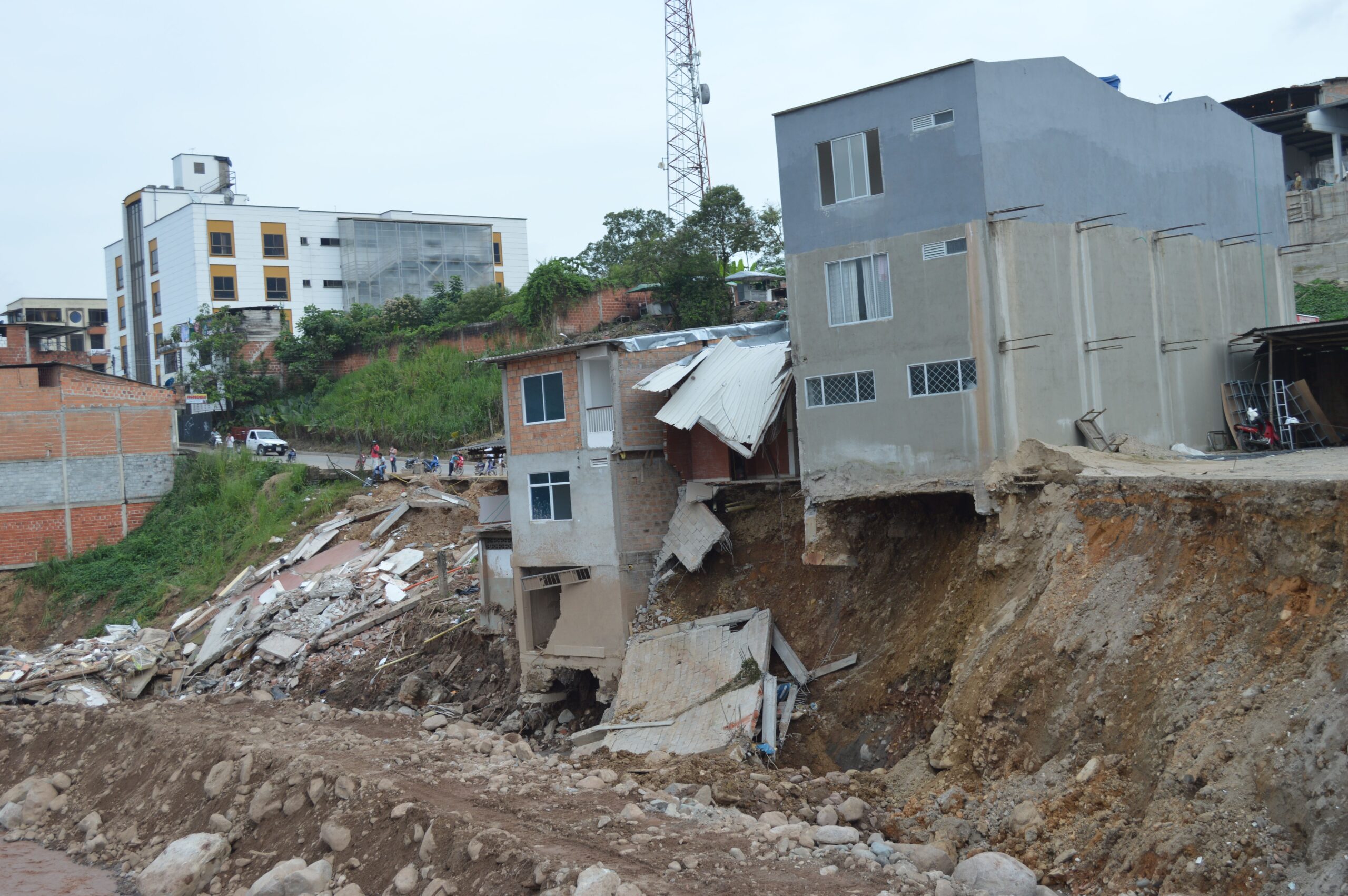
The geographical separation of these two events—south and north—illustrates the complex geological makeup of France. The south is influenced by the convergence of the African and Eurasian tectonic plates, which drives much of the seismic activity in the Mediterranean basin. The north, by comparison, sits on more stable continental crust, resulting in lower seismicity. The recent mild tremor in the north, while less severe, serves as a reminder that micro-seismic activity is present nationwide, even in regions considered low-risk.
For the southern region, the immediate implications include potential disruptions to daily life, localized power outages, and the need for emergency service mobilization. Local officials are working to assess the impact on critical infrastructure, including roads, bridges, and water systems. The magnitude-5.4 reading suggests that while widespread disaster is unlikely, isolated instances of cracked walls, fallen objects, and minor structural damage are possible, particularly in older urban centers with pre-modern construction standards.
The event does not indicate a shift in the long-term tectonic patterns of the region but rather aligns with historical patterns of moderate seismicity in southern France. Scientific experts emphasize that while such events are rare enough to cause public alarm, they are a known aspect of the geological landscape. The focus now shifts to damage assessment and support for affected communities, ensuring that any necessary repairs are carried out safely and efficiently.
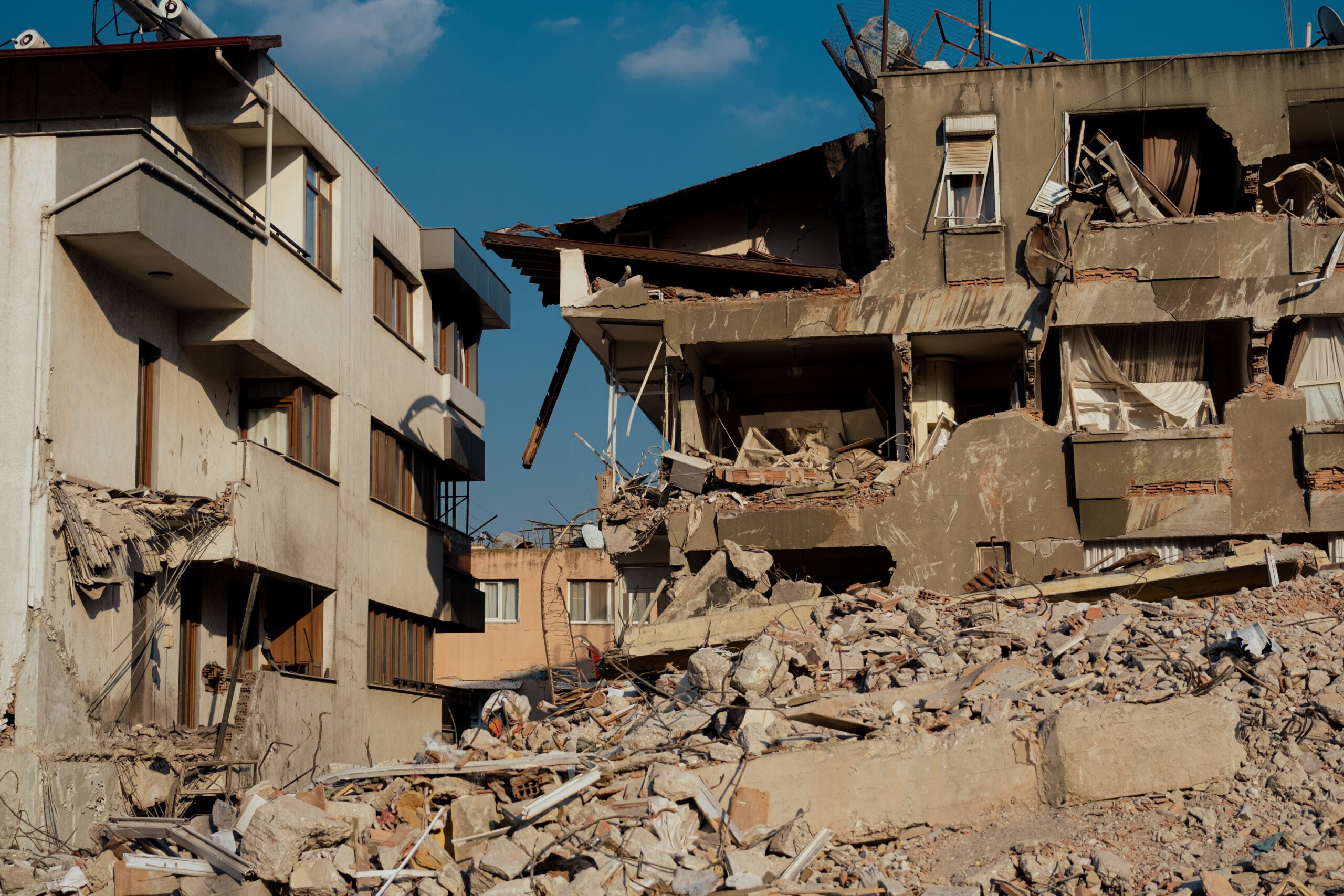
In the north, the mild nature of the tremor likely resulted in minimal disruption, with most residents experiencing only a brief sway or rattling of objects. No emergency response was required there, and life continued largely as usual, though the event contributed to a broader national conversation about seismic preparedness.
The contrast between the two events provides a clear snapshot of France’s seismic profile: a high-risk zone in the south capable of producing magnitude-5+ events, and a low-risk zone in the north where even minor tremors are notable. Monitoring continues in both regions, with seismological networks providing real-time data to ensure public safety and inform future building codes and disaster planning.