

The technical vector for the breach, as described in Binance’s initial investigation, was deceptively simple: a compromised DevOps engineer’s laptop. The attacker used this access point to gain entry to a service container, from which they submitted unauthorized withdrawal transactions. Crucially, Binance stated it found no evidence of a wallet private key leak, suggesting the intrusion bypassed the primary security vaults by exploiting operational infrastructure and human access controls rather than cryptographic failure. The exchange immediately suspended all deposits and withdrawals to contain the damage, freezing approximately $3 billion of the affected assets, primarily stablecoins that function as the cash equivalent of the crypto market. However, analysts at Elliptic noted that the attacker had already converted about $3.3 billion into other digital assets that are more difficult to freeze and were working to cash them out as traditional currency.
The attribution to North Korea carries significant geopolitical weight. Peter Ward, a researcher at the Sejong Institute in Seoul, noted that North Korea possesses considerable cyber expertise and offers “near-total protection” to its hackers, suggesting that such incidents may become more frequent. This incident follows a pattern; last year, North Korean-linked actors stole $1.5 billion from the Bybit exchange. The scale of the Binance theft dwarfs previous records, representing the largest crypto heist on record and a stark reminder of the vulnerabilities inherent in centralized digital finance.
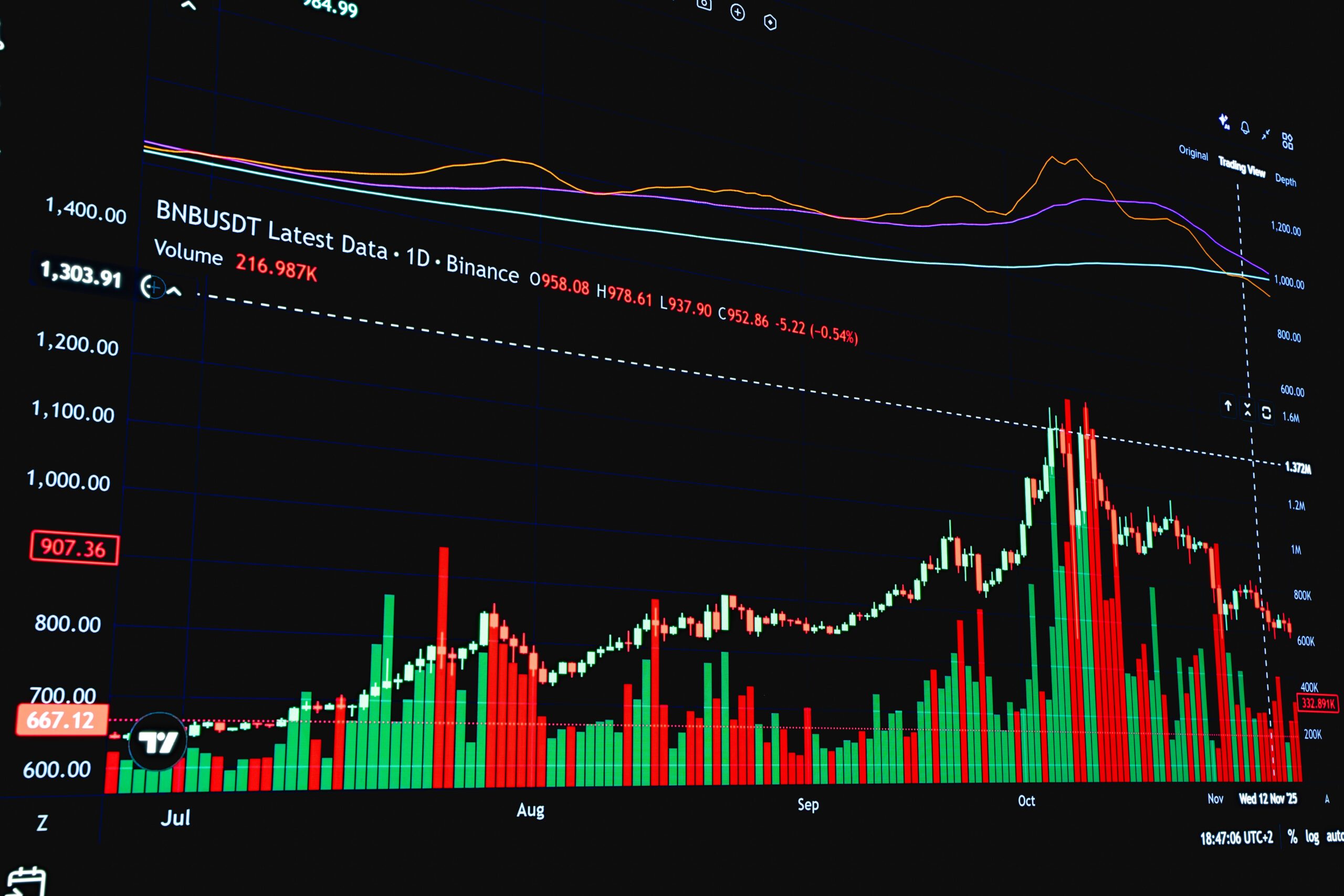
The financial repercussions were immediate and severe. Coinbase Global, the leading U.S. crypto exchange, saw its stock tumble 11% to $142.50 in morning trading on the day following the hack. The drop was compounded by the company’s Q3 2026 earnings report, released after the close on October 29. Net revenue fell 34% year-over-year to $1.16 billion, missing analyst expectations. While headline net income appeared robust at $719 million, this figure was largely inflated by a $715 million gain from crypto investments. Excluding these gains and tax effects, adjusted net income was a modest $78 million. Trading revenue, a core metric for exchanges, plummeted 44% to $590 million as crypto volatility hit multi-year lows.
The broader market reflected similar anxiety. The ProShares Bitcoin Strategy ETF (BITO) fell 5%, while the broader S&P 500 (SPY) dipped 1%. Other major players in the crypto space also saw significant declines: Strategy sank 12%, Robinhood plunged 10%, and Circle dropped 9%. Bitcoin itself experienced a 4% drop in the hours following the disclosure before stabilizing above $78,000. The incident has forced a reassessment of security risks across the sector, with analysts like Dan Dolev of Mizuho describing the results as “better than feared” but acknowledging that the crypto market remains fundamentally challenged.

In response to the breach, Binance has reserved over $6.34 billion in company funds to cover the incident, with $5 billion already held in the exact token assets impacted. The company is actively purchasing more tokens to cover the remaining amount, a process that may be slow due to low liquidity in certain assets. Binance’s CEO, Changpeng Zhao, who pleaded guilty to criminal charges related to inadequate money laundering controls in 2023 and was subsequently pardoned by U.S. President Donald Trump, posted on X that “User funds are safe!” while acknowledging the incident “does look like a hack.” He noted that he does not manage the platform’s day-to-day operations, a distinction that has become increasingly relevant as regulatory and security scrutiny intensifies.
The incident highlights a persistent tension in the crypto industry: the promise of decentralized trust versus the reality of centralized points of failure. While blockchain intelligence firms can trace and freeze assets, the speed at which attackers convert stolen funds into untraceable forms limits the effectiveness of these measures. For users and investors, the event serves as a sobering reminder that even the largest and most established exchanges are not immune to sophisticated state-sponsored cyberattacks. As law enforcement works with Binance and industry partners to trace the remaining assets, the focus now shifts to whether the sector can rebuild trust and implement more robust security protocols to prevent a repeat of history’s largest digital theft.