
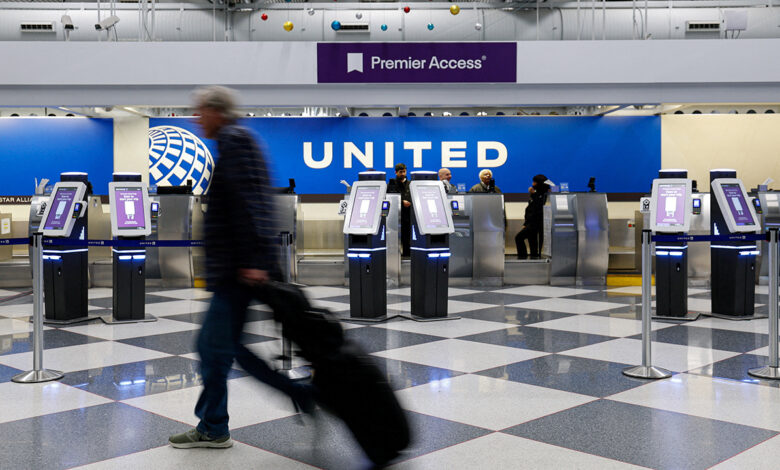
The incident highlights a critical dependency in modern commercial aviation: the precise digital calculation of an aircraft’s total weight before takeoff. According to a report from The Associated Press, pilots informed air traffic controllers that the delay was linked to a system responsible for calculating this final weight. This software is not merely a logistical tool; it is a fundamental component of flight safety. Before any departure, pilots rely on this data to determine if the aircraft can safely take off given current runway conditions and weather. The accuracy of these numbers is paramount, as they guide the plane’s autopilot system and establish performance guidance from takeoff to landing.
“It is extremely important to have all of these numbers accurate and precise,” said Steve Arroyo, an aviation expert and former airline captain, in comments to the AP. He noted that pilots use this information to establish the necessary performance parameters for the entire flight. Without access to this data, crews are effectively unable to verify that the aircraft is configured for a safe departure, leading to mandatory holds or returns to the gate.
United Airlines confirmed the disruption, stating in a statement to Fox News Digital that the airline had resolved a “technology issue” that delayed flight departures. The airline clarified that while some flights were delayed, there was no impact on flights already in progress or on United Express flights. United also explicitly stated that there is “no indication that this was a cybersecurity-related issue,” distinguishing the incident from potential malicious attacks.
The technical root of the problem appears to be connected to the Unimatic system, a platform that contains flight data. This data is fed into various other systems, including those that determine a plane’s total weight. The reliance on this centralized data flow means that an outage in Unimatic can ripple through multiple operational dependencies. This is not an isolated first for United Airlines; reports indicate that in August 2025, the airline temporarily grounded planes due to a similar outage of the Unimatic system. The recurrence of such outages suggests a potential vulnerability in the resilience of these interconnected digital infrastructure systems.
The impact of Monday’s outage was felt across the airline’s network, with United initially acknowledging a “widespread system outage” in a response to a passenger on X. The official X account stated, “We’re aware of the widespread system outage, and our teams are working hard to get things back up and running as soon as possible.” One social media user reported that their flight returned to the gate after the pilot announced a company-wide IT issue that left the crew “unable to get performance data for takeoff.”
This disruption occurred in the immediate aftermath of a nationwide Federal Aviation Administration (FAA) ground stop, a timing that amplified the operational strain on the aviation sector. The FAA ground stop had lasted about one hour and 40 minutes, according to the AP. While the two events are distinct in origin—one a regulatory safety measure, the other a private corporate technical failure—the proximity in time created a compounded effect on passenger travel and airline logistics.
The incident raises questions about the redundancy and fail-safe mechanisms in place for critical aviation software. While United has stated the issue is resolved, the reliance on systems like Unimatic for such fundamental calculations as takeoff weight places significant operational risk on digital infrastructure. For users, the experience is one of uncertainty and delay, with passengers stuck on tarmacs or returning to gates due to a lack of data rather than mechanical failure. For the industry, it serves as a reminder that the digital backbone of aviation must be as robust as the physical aircraft it supports.
As United Airlines moves to restore normal operations, the focus returns to the underlying stability of its data systems. The next confirmed development for the airline is the full resumption of departure procedures, relying on the restored connection to the weight calculation software to ensure that every subsequent takeoff is supported by the precise performance data required for safe flight.