“I want to make very clear: we have zero evidence whatsoever. We have no indication, no evidence, and no reason to believe at all that any of these incidents are related to each other,” Rubio told reporters. He emphasized that the Microsoft incident is distinct from the FAA disruptions, which in turn are separate from the banking sector issues seen days earlier. “Each of them are distinct and they are different in their causation,” he said, noting that in some cases, the reasons for the system failures are known but remain “highly technical.”
Despite the official denial of a cyber link, the simultaneous nature of the outages has caused significant public concern. Rubio acknowledged that the sequence of failures has “put some Americans on edge.” “We fully acknowledge that this is unsettling,” he said. However, he maintained that the US government remains vigilant, stating, “We take these things very seriously… We’re always on the lookout for it.” When pressed on whether artificial intelligence (AI) played a role in the outages, Rubio declined to speculate, citing the unique nature of each incident. He described a scenario where fixing a system vulnerability can create “short-term disruption,” but refused to confirm if this applied to the recent events.
The State Department’s assessment stands in contrast to the perspective offered by Senate Intelligence Committee ranking member Mark Warner (D-Va.). Alleging that AI contributed to several high-profile system outages this week, Warner argued that the current landscape is a consequence of how rapidly artificial intelligence is changing cybersecurity.

Warner’s comments highlight a growing concern among some policymakers: that while AI can enhance defensive capabilities, it also provides attackers with new tools to exploit vulnerabilities at a faster pace. “What appears to be happening instead is a consequence of how quickly artificial intelligence is changing the cybersecurity [landscape],” Warner stated, suggesting that industries are under intense pressure to quickly identify and fix security issues that the technology can easily exploit. This view contrasts with the administration’s current stance, which attributes the failures to isolated technical problems and maintenance activities rather than a systemic AI-driven security breach.
Companies and agencies involved in the recent disruptions have largely attributed the issues to technical problems and routine maintenance, a narrative supported by the Times of India’s reporting that officials have emphasized the need for upgrading aging computer systems to prevent similar disruptions. Critics, however, are calling for greater transparency regarding the specific causes of these incidents, arguing that the lack of detailed public information fuels speculation about underlying vulnerabilities.
The debate over the causes of these outages intersects with broader discussions about national security and technological resilience. While Rubio dismissed the possibility of a coordinated attack, he did address a separate but related security concern raised by a CNN report regarding chatter of a possible Iranian plot to detonate a “dirty bomb” in Washington, D.C. “I do not think there is any imminent threat,” Rubio said, while acknowledging that the Iranian regime has a history of committing and calling for violent acts against Americans. This distinction is crucial: Rubio is separating the technical IT failures, which he views as non-malicious, from active geopolitical threats, which he deems not currently imminent but worth monitoring.
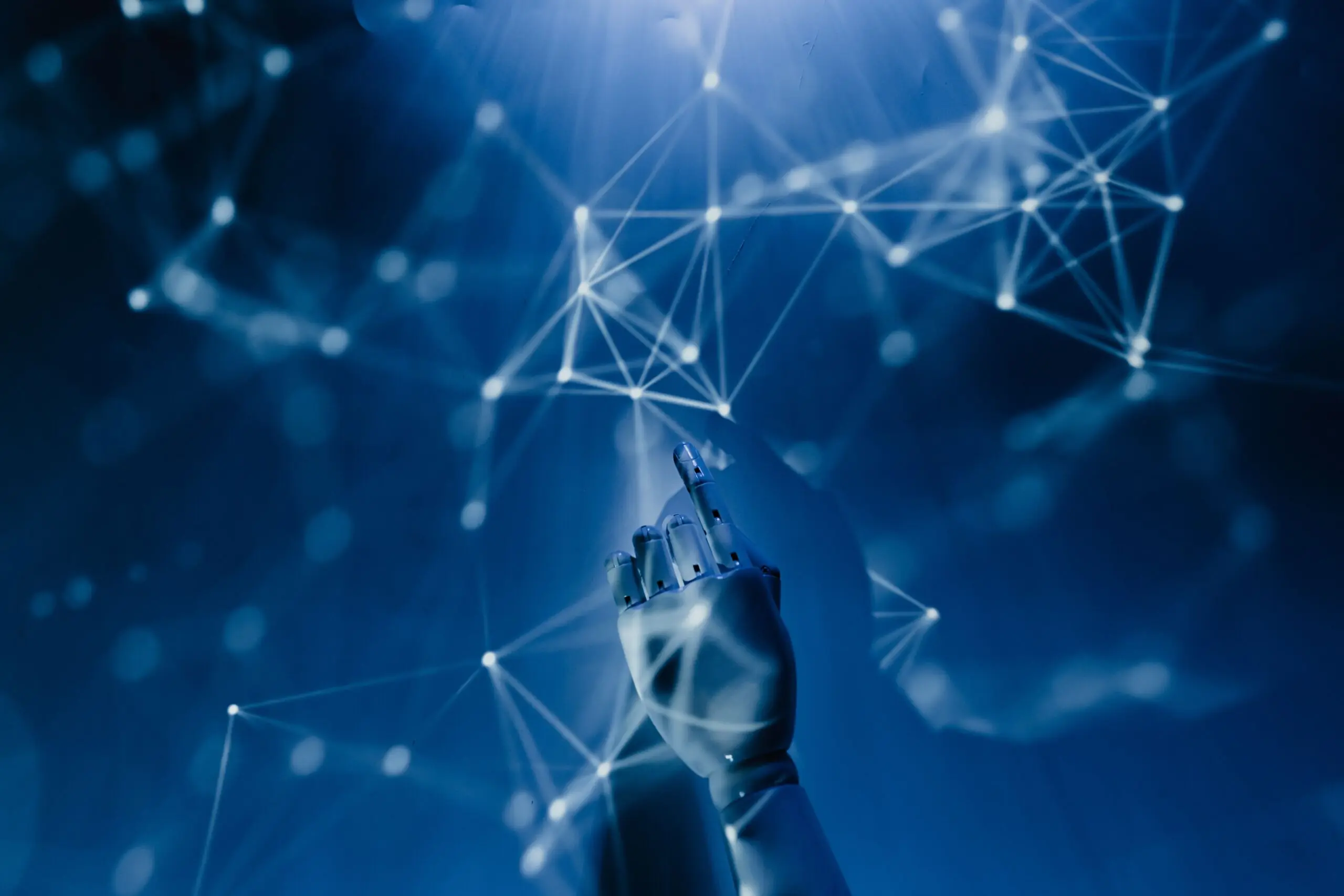
The differing characterizations of these events—technical glitches versus AI-accelerated security risks—reflect a broader uncertainty in how the US government and private sector communicate about emerging technology threats. For businesses and regulators, the immediate implication is a renewed focus on system reliability and the pace of patch deployment. If Warner’s assessment is correct, the challenge is not just in fixing individual bugs, but in keeping pace with an AI-driven environment where vulnerabilities can be identified and exploited with unprecedented speed.
As of now, no independent verification has confirmed a causal link between the Microsoft, FAA, and banking outages. The Federal Aviation Administration and bank officials have not publicly detailed the specific “highly technical” reasons for their respective disruptions, leaving the public and industry analysts to rely on the State Department’s assurance that these were isolated incidents. The lack of detailed technical disclosure has not prevented the incidents from generating significant political discourse, with the potential for AI to play a role in both the creation and the mitigation of such vulnerabilities remaining a central, unresolved question for US cybersecurity policy.