
Ukrainian authorities reported that a drone attack on a market in Sofiiska Borshchahivka killed two people and injured approximately 10. In the capital, Mayor Vitali Klitschko said nine people were injured, including a child, during the weekend strikes. Ukrainian prosecutors confirmed the market was set on fire, while Zelenskyy said the attacks also targeted kindergartens, schools, homes, and communications facilities. On Monday, a guided Russian aerial bomb struck an apartment building in Kharkiv, Ukraine’s second-largest city, injuring 22 people, including children, according to Mayor Ihor Terekhov.
Zelenskyy stated that Russia had fired approximately 3,900 drones, aerial bombs, and other missiles at Ukraine over the past week. The strikes followed a sustained Russian bombardment of Ukrainian data centers and communications infrastructure, with the headquarters of Kyivstar, the country’s largest mobile service provider, also hit on Sunday. Zelenskyy called for the full implementation of the Lindsey Graham Act, which enables sweeping sanctions on Russia, and urged G7 and G20 partners to ensure new sanctions packages targeting financial networks and weapons supply chains take effect as early as October.
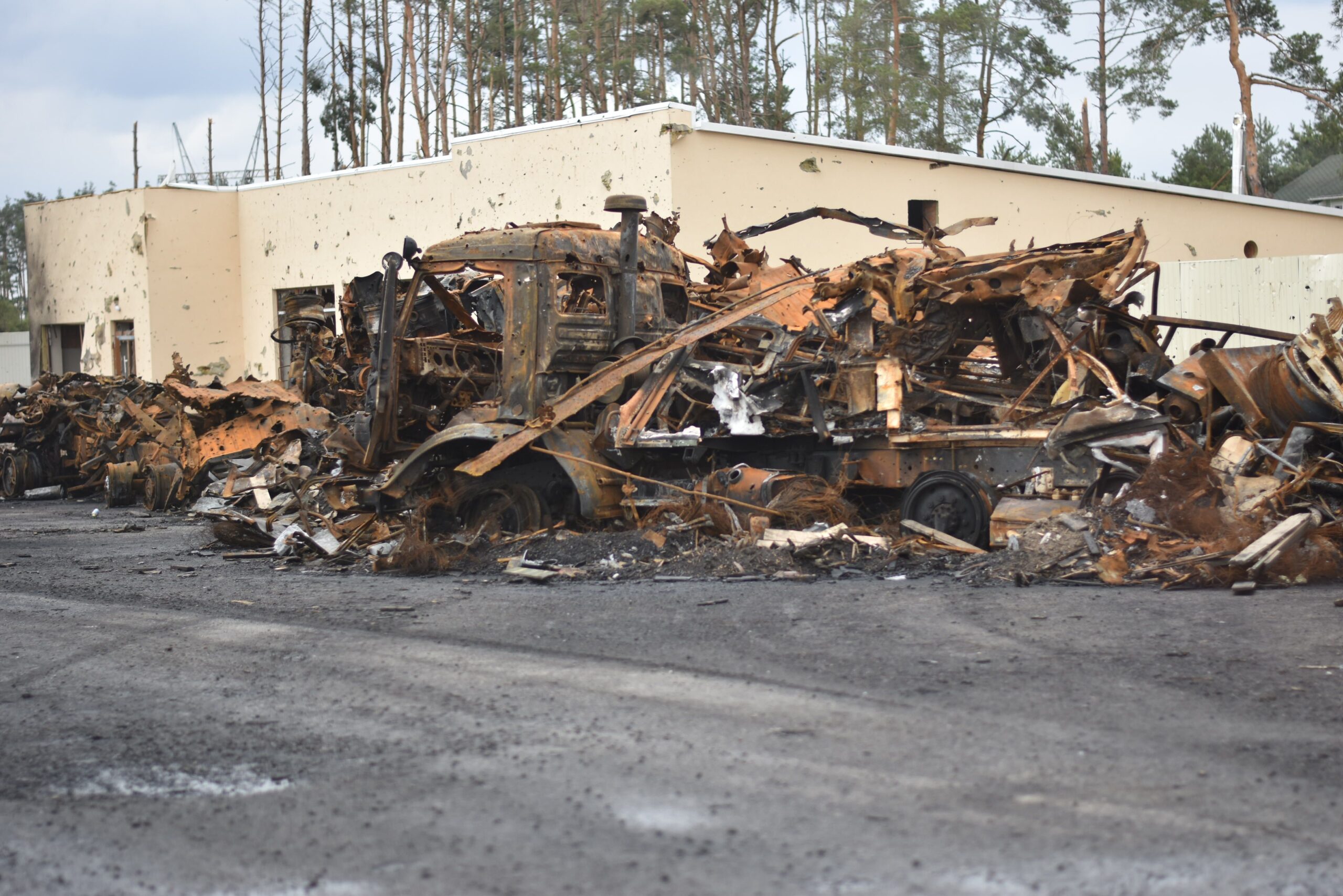
“Anywhere in the world, this choice of targets would be called by one word – terrorism. Russia has no military objective whatsoever in doing this – it is purely an attempt to break people and inflict as much harm as possible on our society,” Zelenskyy said on X.
The diplomatic friction continued in New York, where the UN General Assembly concluded on Monday. Russian and German foreign ministers met on the sidelines, with the Russian diplomat dismissing Berlin’s calls to ease off its “dangerous path of escalation.” Meanwhile, Russian Foreign Minister Sergei Lavrov accused Europe of doing “everything it can to thwart peace talks.” Zelenskyy warned that Russia was manipulating diplomatic signals to gain time for “war and terror,” emphasizing the need for effective decisions from international partners.
In Europe, EU foreign policy chief Kaja Kallas warned that intelligence reports indicate Russia is planning further acts of sabotage and attacks on European democracies. Speaking before a meeting of EU defence ministers in Brussels, Kallas stated that European countries must be vigilant and possess the ability to act before such attacks occur. She described the goal of these operations as dividing society and intimidating Europe into refraining from supporting Ukraine. In Poland, officials in border regions like Lublin acknowledged they are at the beginning of building civil resilience against hybrid threats.
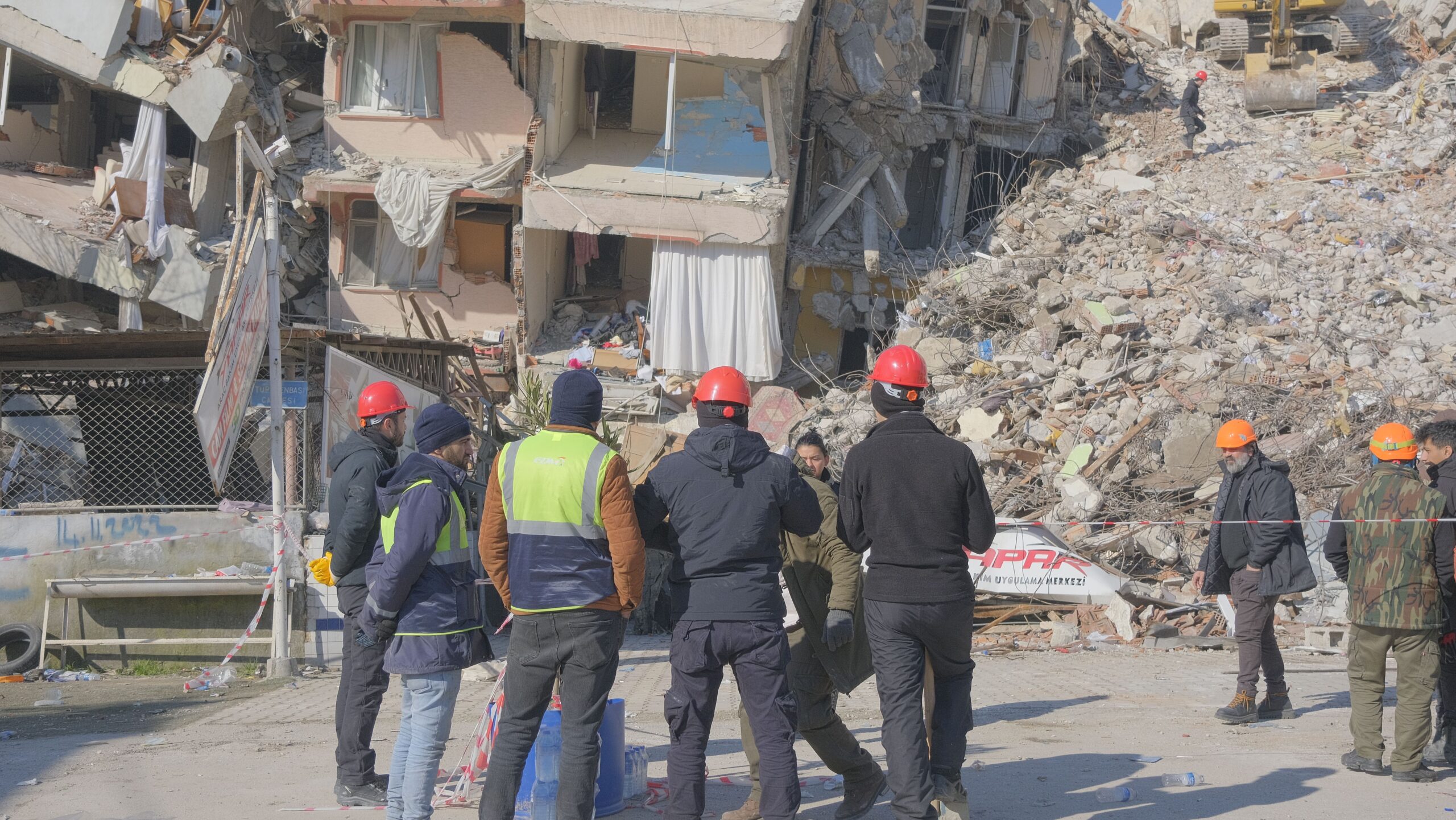
The conflict has also seen continued long-range drone strikes by Ukraine on Russian oil refineries and industrial sites. On Saturday, Ukrainian strikes killed six people in Russia and Russian-occupied territory, while Russian attacks in Zaporizhzhia and Sumy killed four civilians. Separately, South Korea demanded an official explanation and apology from Ukraine after Kyiv disclosed the transfer of two North Korean prisoners of war to Seoul, a move Seoul claimed was covered by a confidentiality agreement that Ukraine subsequently denied existed.
With the war entering its 1,678th day, the focus remains on the gap between diplomatic assurances and military actions. Zelenskyy’s administration continues to push for stronger economic pressure on Moscow, arguing that only significant sanctions will push Russia toward real diplomacy. The next major diplomatic milestone will involve the implementation of the requested sanctions packages, which Kyiv insists must be in place by October to alter the trajectory of the conflict.