
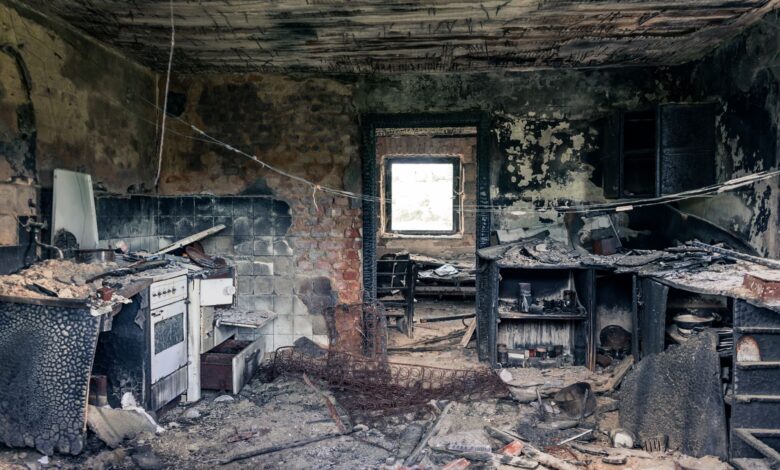
The incident occurred following a Russian attack on the Kyiv Oblast region. According to Mykhailo Fedorov, head of the Kyiv Oblast Military Administration, the strike caused a fire at a storage facility. In a separate populated area within the same district, a residential building at an enterprise site was damaged, and the resulting fire was subsequently extinguished. Authorities reported that there were no deaths or injuries as a direct result of the attack.
“An atmospheric monitoring post recorded a minor local excess of the chemical substance ammonia (NH3) in the zone of the fire. No excess was recorded in the city of Boryspil,” Fedorov stated.
While the concentration of ammonia was described as minor and localized, officials noted that prolonged exposure to such levels of the gas in the open air could cause mild irritation of the nasal mucous membranes or a scratchy throat. Residents were also advised that discomfort could arise from the odor of burning materials associated with the fire.
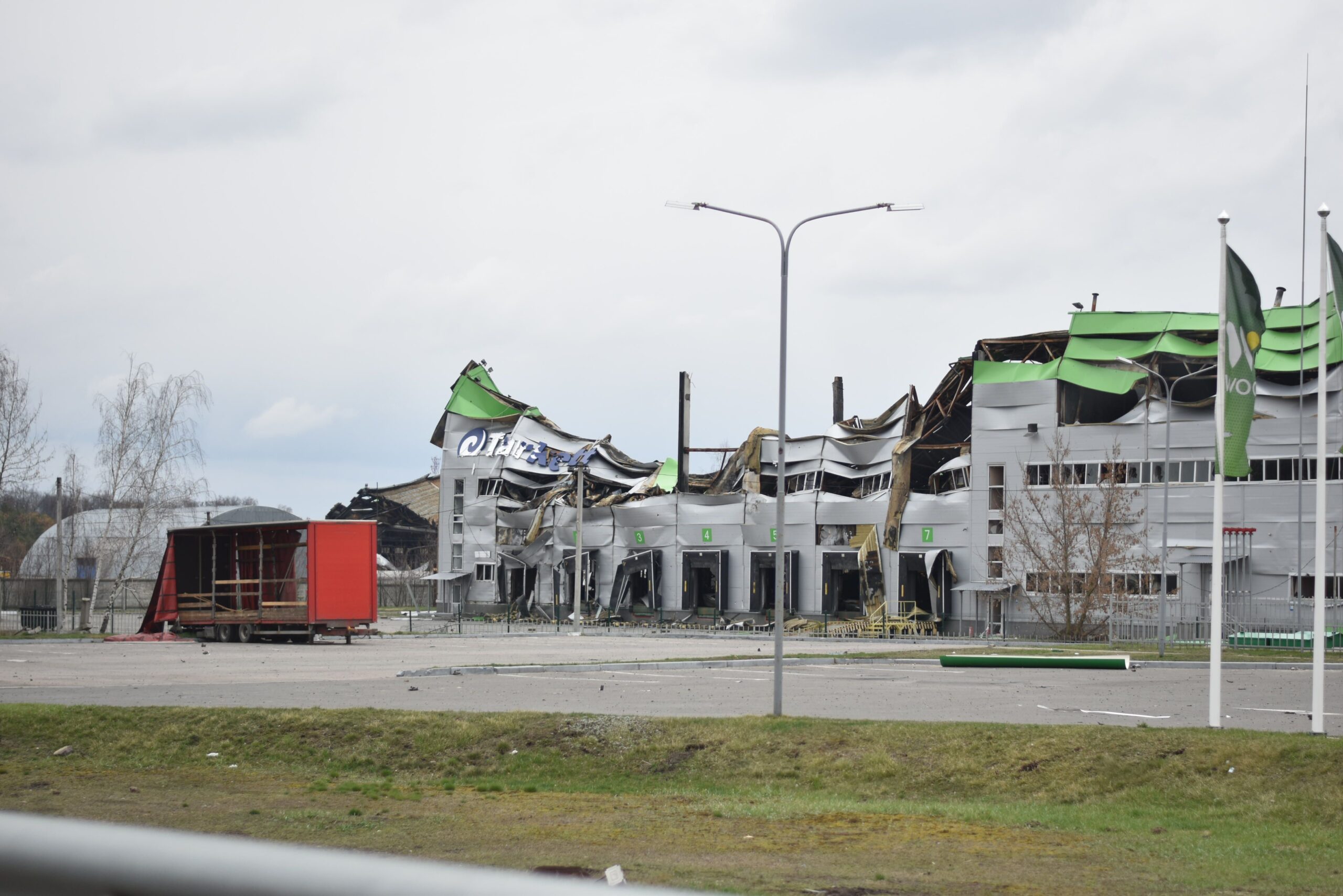
In response to the chemical release, local authorities issued specific safety recommendations for residents in the affected area until the situation improves. The public is advised to keep windows and doors closed, limit time spent outdoors, and maintain adequate hydration. Additionally, air conditioning units should be turned off to prevent the circulation of outdoor air, while air purifiers, if available, should be set to their maximum filtration mode. Those experiencing worsening health conditions were instructed to seek medical assistance.
The strike underscores the continued vulnerability of commercial and industrial infrastructure in the Kyiv region to Russian long-range attacks. The targeting of storage facilities and enterprise sites poses not only immediate physical risks from fire and structural damage but also secondary hazards, such as the release of hazardous materials stored on-site. The presence of ammonia in the air, while currently deemed low-risk, necessitates immediate public health coordination to mitigate potential respiratory issues among civilians in the vicinity.

Separately, Kaja Kallas, the European Union’s High Representative for Foreign Affairs and Security Policy, addressed the broader humanitarian implications of the ongoing conflict, specifically referencing the situation in Oleshky. Her comments highlight the severe conditions faced by civilians under occupation, reinforcing the international community’s focus on the humanitarian crisis alongside the military dimensions of the war. The juxtaposition of industrial strikes in Kyiv Oblast and the humanitarian desperation in occupied territories illustrates the multifaceted nature of the conflict’s impact on Ukrainian society.
Ukrainian authorities continue to monitor air quality levels in the Boryspil District to ensure that the ammonia concentration remains within safe limits. The incident serves as a reminder of the operational complexities and civilian risks associated with strikes on dual-use or commercial infrastructure in densely populated areas. As the regional military administration continues to manage the aftermath, including fire suppression and environmental monitoring, the focus remains on protecting the civilian population from both direct physical harm and secondary environmental hazards.