

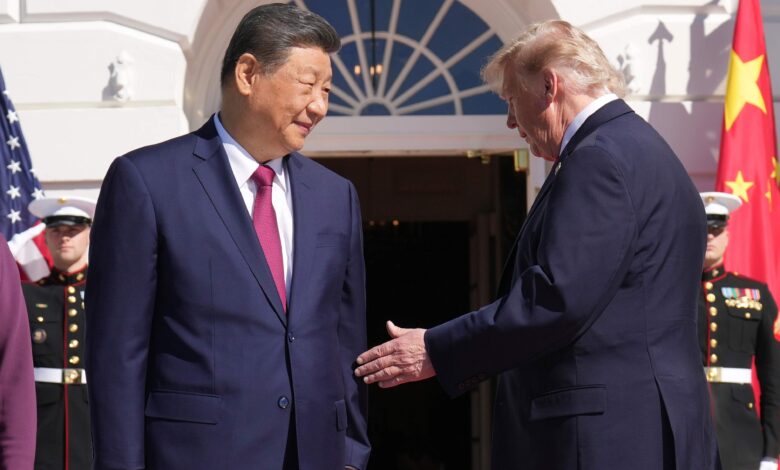
The development follows a state visit by Chinese President Xi Jinping to Washington, where he met with US President Donald Trump. This was Xi’s first state visit to the United States since 2015. The publication of the lists arrived days after the meeting, signaling an immediate move to translate diplomatic agreements into specific commercial categories. The “30-for-30” framework is designed to lower barriers for a select set of goods, with the total value of covered trade estimated at roughly $30 billion annually for each nation.
Specific products identified for potential tariff relief include US pork, dairy, and whiskey, which appear on the list of Chinese goods eligible for reduced rates. Conversely, the lists include Chinese products destined for the US market, though the specific categories for the American side were not detailed in the immediate release beyond the aggregate monetary value. The inclusion of these agricultural and luxury goods highlights the focus on sectors where both nations have significant export interests. For US producers, particularly in the meat and alcohol sectors, this represents a potential expansion of market access in China, a key destination for American exports.

The timing and content of these lists have immediate implications for global trade dynamics, particularly for third-party economies. The presence of US pork and dairy on the Chinese tariff reduction list could intensify competition for European exporters in the Chinese market. As US products potentially gain a price advantage through lower duties, European agricultural producers may face squeezed market share. This shift could alter the competitive landscape for dairy and meat exports from the European Union, which have traditionally held a strong position in China. Businesses in these sectors will need to monitor the final tariff rates closely, as the specific percentage reductions will determine the scale of the competitive pressure.
Officials have not yet announced the precise tariff percentages that will apply to the listed goods, nor have they set a definitive start date for the implementation of these lower rates. The current status is that the lists represent the scope of the agreement, but the operational details remain under finalization. This period of pending implementation creates a window of uncertainty for traders and investors who are waiting for the regulatory framework to be fully codified. The lack of a set date means that current tariff levels will remain in effect until the new rates are officially enacted.
The “30-for-30” framework represents a targeted approach to trade liberalization, focusing on high-value goods rather than a blanket reduction across all sectors. By limiting the scope to approximately $30 billion in trade each way, the agreement aims to provide immediate relief to specific industries while maintaining leverage in broader trade negotiations. The next critical step in this process will be the official announcement of the final tariff rates and the effective date for their implementation. Until those details are released, the full economic impact on consumer prices and corporate supply chains cannot be fully assessed. Market participants are expected to watch for further regulatory filings that will clarify the timeline for these changes.

The diplomatic context of the Xi-Trump meeting underscores the strategic importance of this trade arrangement. The state visit itself was a significant signal of renewed engagement between the world’s two largest economies. The swift publication of the product lists following the visit suggests a commitment to moving from diplomatic rhetoric to actionable trade policy. However, the absence of specific rates means that the commercial benefits remain theoretical at this stage. Companies in the affected sectors, including US agriculture and Chinese manufacturers, will need to wait for the final regulations before making long-term investment or production decisions based on the new trade environment.
For now, the focus remains on the completion of the technical aspects of the agreement. The $30 billion figure serves as a benchmark for the scale of the deal, but the distribution of that value across specific product lines will determine which industries benefit most. The potential impact on European exports serves as a reminder that bilateral trade agreements between major powers often have multilateral ripple effects. As the US and China finalize the rates, other trading partners will likely assess their own trade strategies in response to the shifting competitive dynamics in the Chinese market.