
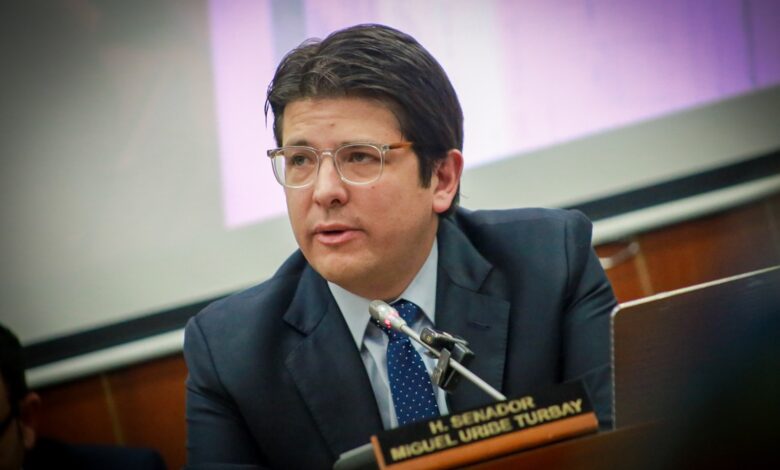
On June 7, 2025, Miguel Uribe Turbay was shot twice in the head while delivering a speech in a public square in Bogotá, the Colombian capital. The attack occurred during his campaign for the national presidential elections. Despite receiving immediate medical attention and spending 65 days hospitalized at the Fundación Santa Fe de Bogotá, the senator succumbed to his injuries on August 11, 2025, at the age of 39. The severity of the wounds proved irreversible, ending both his political aspirations and his life.
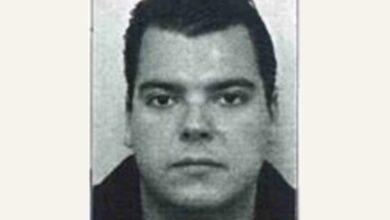
The legal consequences of the attack have already resulted in significant judicial outcomes. Two individuals have been sentenced to more than 20 years in prison for their roles in the crime. Additionally, four others, including a 15-year-old teenager who allegedly fired the shots, have accepted responsibility for their actions. The recent arrest in Argentina adds a new layer to these proceedings, suggesting that the investigation has extended beyond Colombia’s borders to address the full scope of the conspiracy. While specific details regarding the legal charges filed in Argentina remain limited, the detention signals a coordinated effort to identify and hold accountable all parties involved in the plot.
As Colombia marks the first anniversary of Uribe’s death, the case has become a focal point for discussions on democratic security and the persistence of political violence in the country. The attack took place against a backdrop of ongoing threats to public officials, social leaders, and political actors. Authorities have repeatedly warned that illegal armed groups operating in various regions of the country pose risks to communities and those participating in democratic processes, often driven by disputes over illicit economies and strategic influence.
Commemoration and Political Impact
The anniversary of the senator’s death was marked by solemn ceremonies across Colombia. María Claudia Tarazona, Uribe’s widow, organized a mass at the Primatial Cathedral of Bogotá. Speaking through tears, she recalled the months she spent by her husband’s bedside in the hospital. “The purpose of my life today is love,” Tarazona stated, expressing her decision to transform the pain of her loss into a commitment to goodness and an absence of hatred. Her husband’s father, Miguel Uribe Londoño, held a separate service at the La Inmaculada Concepción parish and announced plans to unveil a monument in the park where the senator was murdered.
President Abelardo de la Espriella also paid tribute to Uribe, noting that Colombia lost a man who had much to give to his homeland. The president honored Uribe’s defense of democracy and his life’s work. The senator, who was the grandson of former Liberal president Julio César Turbay Ayala, had established himself as a recognized figure within the right-wing Democratic Center party. His death has been widely interpreted as a blow to democratic guarantees and the normal conduct of electoral competition, drawing comparisons to the political violence that characterized the late 1980s and early 1990s, when multiple presidential candidates were assassinated in unsolved conspiracies.
The case has reshaped the electoral landscape and sparked renewed debate over the state’s capacity to guarantee the security of candidates and public officials. For victims’ families, collaborators, and supporters, the focus remains on the need to fully clarify the events of June 7 and identify all those responsible. The arrest in Argentina represents the next confirmed step in this legal process, highlighting the transnational nature of the investigation and the ongoing effort to bring justice for the senator’s killing.