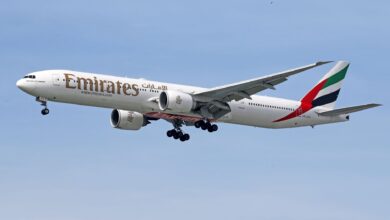

The flight, designated FR1879, was en route to Memmingen, Germany, when the structural failure occurred shortly after takeoff. Flight tracking data confirms the aircraft reversed its course immediately after the crew declared an emergency. The plane landed safely at Thessaloniki Airport, where authorities allowed all passengers and crew to return to the terminal. Ryanair subsequently arranged for travelers to continue their journey to Germany on a replacement aircraft.
The immediate aftermath inside the cabin was captured in photographs and video shared by passengers, revealing the gaping hole where the window had been and the deployed oxygen lines hanging from the ceiling. The most critical moment of the incident involved a 61-year-old male passenger seated near the damaged section. During the decompression event, the powerful airflow partially pulled him toward the opening. He remained inside the aircraft solely because he was wearing his seatbelt. Fellow passengers, including his wife, reportedly helped keep him secured in his seat until the aircraft touched down.
While the mechanical cause of the window failure has not been officially confirmed, multiple reports suggest that an engine problem may have sent debris into the aircraft, striking the window and causing it to dislodge. An investigation is currently underway to determine the precise sequence of events. Boeing has stated it is assisting the inquiry led by the Aircraft Accident and Incident Investigation Committee of the Republic of North Macedonia. In a statement, a Boeing spokesperson emphasized that the company is “thinking of the passengers and crew of flight FR1879” and remains in contact with customer Ryanair to support the ongoing review.
This incident adds to a period of heightened scrutiny regarding Boeing’s aircraft safety. The 737-800 involved in this event is an 18-year-old airframe, built at the company’s facility in Renton, Washington. The occurrence arrives at a sensitive time for the manufacturer, which has faced intense regulatory and public examination following two fatal 737 MAX crashes and the 2024 midair door-plug blowout aboard an Alaska Airlines flight. In testimony before a Senate Committee, Boeing CEO Kelly Ortberg outlined multiple safety changes implemented by the company to address previous deficiencies, yet this latest event highlights the persistent challenges in maintaining structural integrity across the fleet.
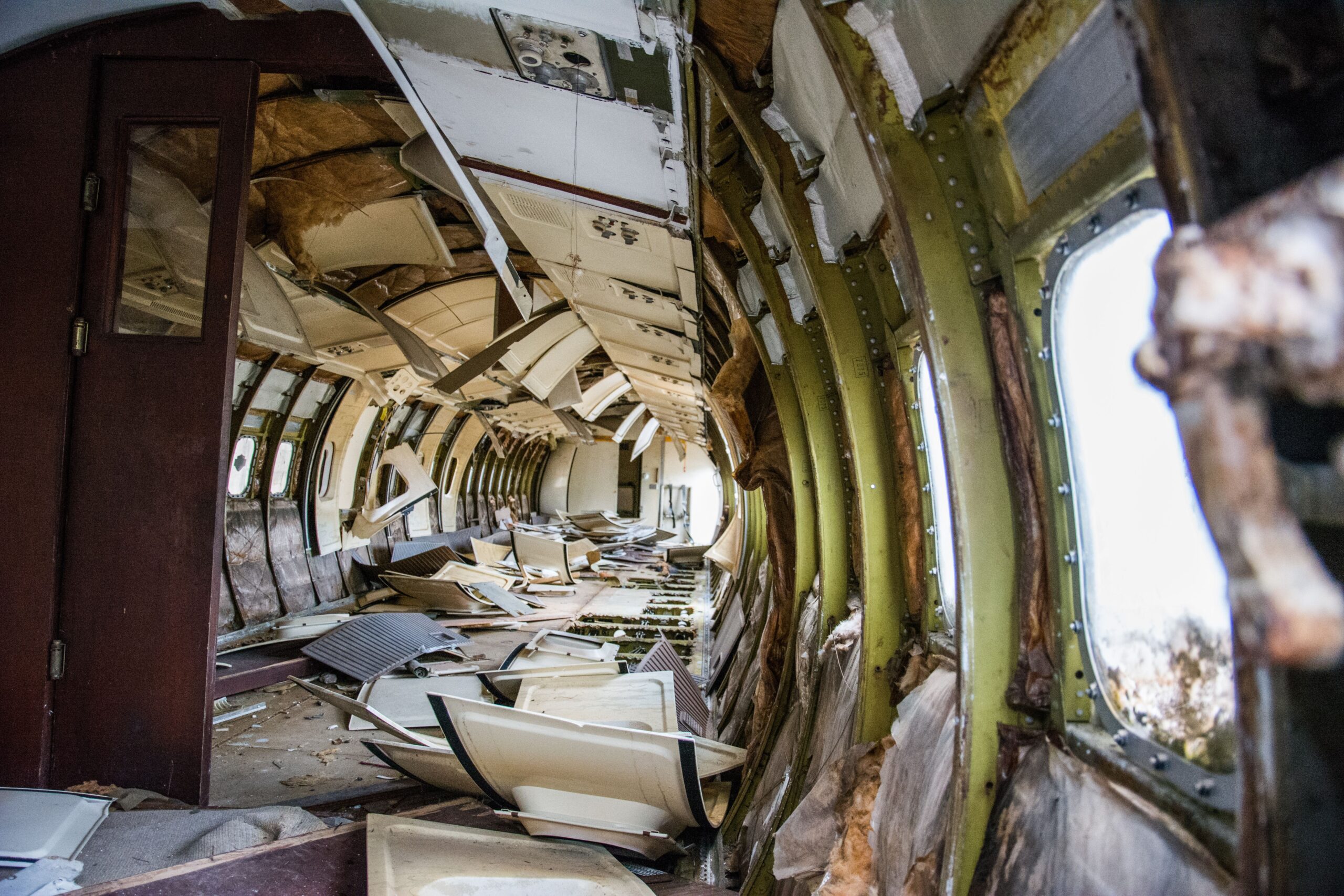
For passengers, the incident serves as a stark reminder of the risks associated with rapid decompression, a phenomenon where the sudden drop in cabin pressure can cause severe physiological stress. The survival of the passenger who was partially pulled toward the window is attributed to the simple but critical act of wearing a seatbelt, a detail that aviation safety experts often emphasize in post-incident analyses. The rapid response of the crew to declare an emergency and the successful landing at the nearest suitable airport demonstrate standard aviation protocols in action, preventing what could have been a far more catastrophic outcome.
As the investigation progresses, attention will turn to whether the suspected engine debris was the direct cause of the window failure and if any maintenance records or component inspections might reveal pre-existing issues. Until the findings are released, the incident remains a case of structural failure under unusual operational conditions rather than a sign of widespread systemic defect. For the airline and its partners, the priority remains ensuring that the replacement flight proceeds without incident and that all passengers arrive safely at their destination, while the technical teams work to understand exactly how a standard passenger window became a point of catastrophic structural weakness.