

Ambassador Perdue emphasized that the United States does not view military sales to Taiwan as a variable subject to negotiation in broader economic or diplomatic exchanges. He described such arms transfers as routine aspects of US foreign policy, reinforcing the position that these sales are distinct from the outcomes of trilateral or bilateral summits.
Official Reactions and Diplomatic Context
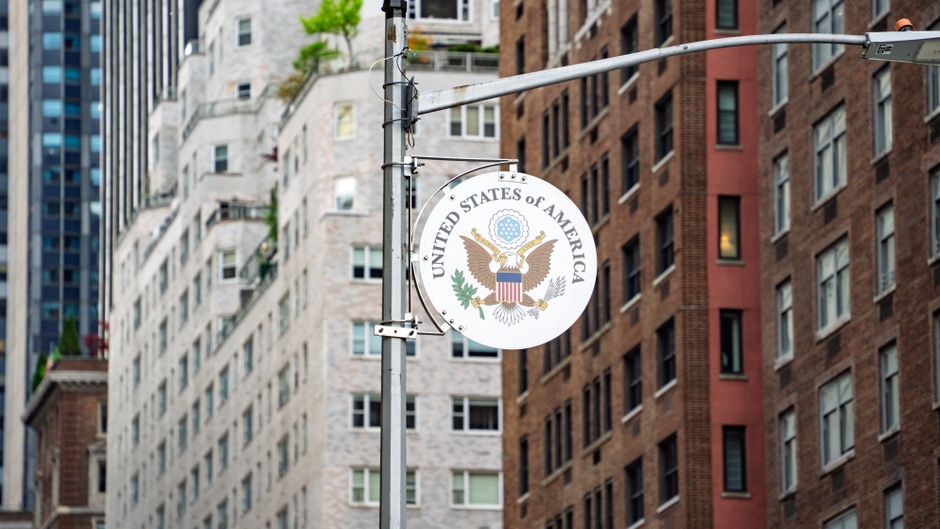
The statement from the US diplomatic mission in Beijing serves as a direct response to Chinese attempts to leverage trade and strategic discussions to constrain Washington’s commitments to the island. While the two leaders engaged in high-level talks, the US position, as articulated by Ambassador Perdue, indicates that core security policies regarding Taiwan will not be altered to accommodate Chinese demands. This stance maintains the continuity of US support for Taiwan’s self-defense capabilities, a factor that has consistently heightened tensions with the People’s Republic of China.
Beijing has long sought to limit US involvement in the Taiwan Strait, viewing arms sales to Taipei as violations of its sovereignty claims and previous agreements. The US, conversely, has maintained that its support for Taiwan is based on longstanding legal and strategic frameworks that operate independently of broader diplomatic negotiations with Beijing. By characterizing these sales as “routine,” Ambassador Perdue underscores the institutional nature of US-Taiwan military cooperation, suggesting that it is not subject to the same volatility as other areas of US-China interaction.
Geopolitical Implications
The reaffirmation of unchanged policy signals to regional partners that US commitments in the Indo-Pacific remain stable despite shifts in US domestic politics or diplomatic cycles. For China, the lack of concessions on Taiwan during the Trump-Xi talks represents a continued obstacle in the bilateral relationship, potentially complicating efforts to manage other areas of friction, such as technology restrictions and trade balances. The distinction between “routine” arms sales and negotiable diplomatic issues highlights the US strategy of compartmentalizing security commitments from economic dialogue.
Regional security dynamics in the Taiwan Strait remain a focal point for international observers, who monitor how consistent US policy statements affect military posturing and diplomatic discourse in the area. The clarity provided by Ambassador Perdue aims to reduce ambiguity in the post-talks period, ensuring that both domestic and international stakeholders understand the parameters of US engagement. As the US and China continue their complex interplay of competition and cooperation, the status of Taiwan remains a critical fixed point in the geopolitical landscape.
The next expected development will involve further official communications from both Washington and Beijing regarding the implementation of agreements reached during the Trump-Xi meetings and any subsequent diplomatic reactions to the US stance on arms sales.
