

The economic transaction, referred to internally as Project Merlin, was signed in November 2025 and approved by shareholders in December of the same year. Following the successful start of operations for the Guatemalan plant in mid-July 2026 and the fulfillment of pre-closing conditions, MPCES concluded the sale. Of the total proceeds, $2.2 million was deposited in escrow pending post-closing milestones and final account adjustments, a portion potentially to be collected later this year. This deal underscores the continued, if cautious, flow of investment into the region’s utility-scale solar sector, driven by the demand for clean energy and stable regulatory frameworks.
However, the political landscape underpinning this economic activity is uneven. In Guatemala, the international response to democratic threats has been swift and robust. When the Guatemalan Attorney General’s Office declared the general and presidential elections invalid in December 2023, citing no authority to annul them, a coalition of global actors—including the U.S. State Department, the European Union, and the Organization of American States—immediately intervened. The U.S. government imposed visa restrictions on nearly 300 Guatemalan officials and citizens accused of undermining the rule of law. Six days after the Attorney General’s ruling, the Constitutional Court ordered Congress to guarantee the inauguration of elected officials, effectively preserving the transfer of power to President-elect Bernardo Arévalo.
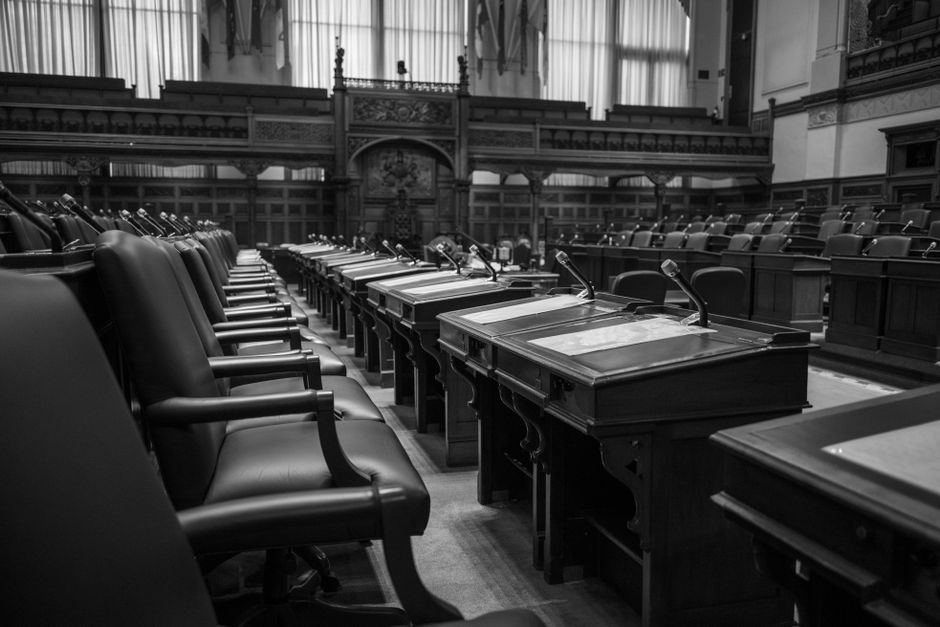
El Salvador presents a contrasting picture. While the country has been praised for its public safety record, a report by an international delegation highlights significant concerns regarding the erosion of democratic institutions under President Nayib Bukele. The report details the reduction of judicial independence, the suspension of civil liberties, and the imprisonment of over 70,000 people, many of whom are alleged to be innocent, including environmental activists and trade union leaders. In a move that bypasses constitutional limits on re-election, the Constitutional Court recently ruled Bukele eligible to run again, a decision critics argue was influenced by the president’s appointment of new judges in 2021.
Unlike the robust intervention in Guatemala, the international community has largely remained silent on these developments in El Salvador. Major governments, including those of the United States, Canada, and the European Union, have continued to back the Bukele administration despite calls from civil society for accountability. This silence stands in sharp contrast to the diplomatic pressure applied in Guatemala, where President Andrés Manuel López Obrador of Mexico publicly called for respect of the electoral victory—a stance he has not mirrored regarding the human rights situation in El Salvador.
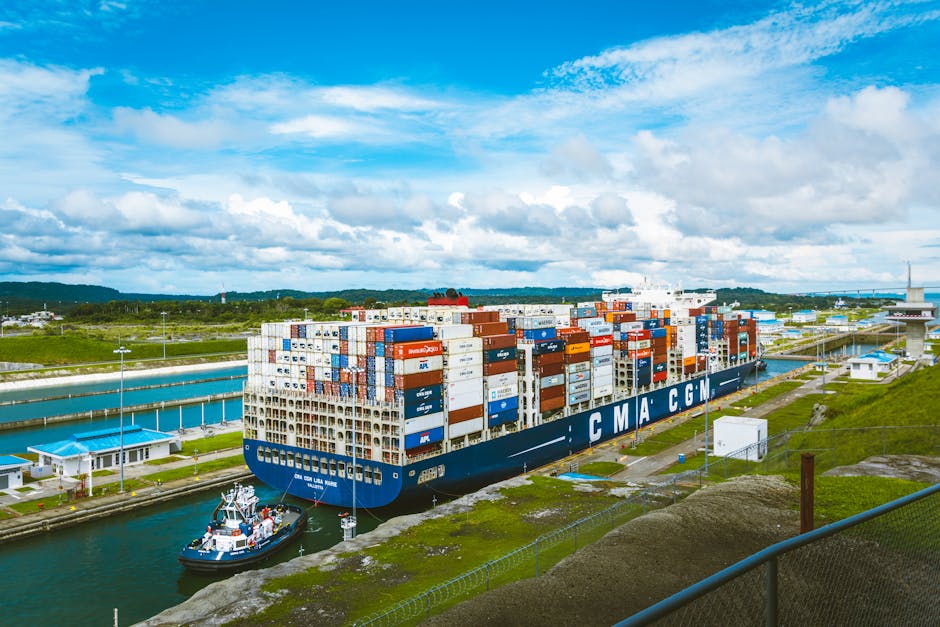
The disparity in international response has prompted advocacy groups to take direct action. In December, the Institute for Policy Studies and seven other organizations sent a letter to U.S. Treasury Secretary Janet Yellen, requesting that the U.S. representative at the International Monetary Fund attach conditions to a $1.3 billion loan negotiation with El Salvador. These conditions would require the fulfillment of anti-corruption, transparency, and human rights measures. The letter also urged Mexico to defend the Chapultepec Peace Accords of 1992, which remain technically in force but are viewed by critics as being undermined by the current administration.
For businesses like MPC Energy Solutions, navigating this divided landscape requires balancing financial returns with reputational and operational risks. The completion of the Project Merlin sale allows the company to recoup capital from specific assets, yet the broader environment in El Salvador remains subject to political uncertainty. As diplomatic exchanges continue, such as the recent meeting in New Delhi between Indian officials and El Salvador’s outgoing ambassador, the focus remains on maintaining bilateral ties while the question of democratic integrity looms large. The next phase of this regional dynamic will likely hinge on whether international financial institutions accept the conditions proposed by civil society, potentially altering the terms of engagement for both investors and governments in the two Central American nations.
