

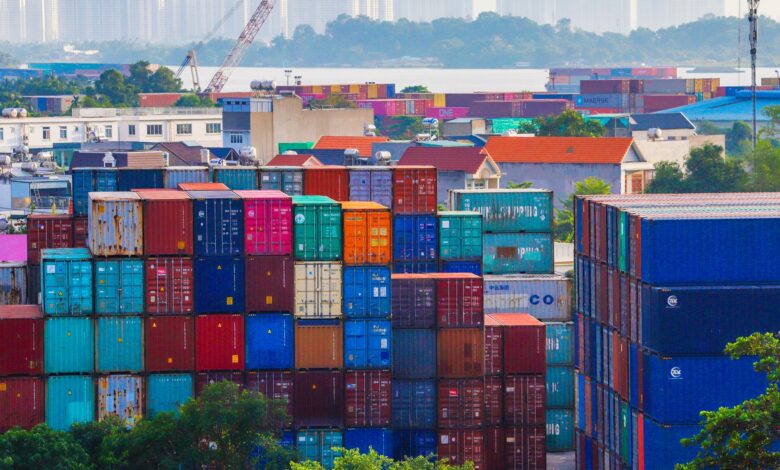
The measures introduce specific financial penalties and outright prohibitions on certain goods moving from Canada to the U.S. market. While the specific tariff rates and product categories are not detailed in available preliminary reports, the scope of the action is described as broad enough to threaten employment stability in multiple Canadian sectors. The timing of the announcement means that the economic effects will be felt immediately by businesses that must either absorb the increased costs or cease operations involving the banned products.
Canadian export industries face a dual challenge under this new regime. First, the imposition of tariffs increases the cost of Canadian goods for American buyers, potentially reducing demand and making domestic competitors more attractive. Second, the product bans remove specific Canadian goods from the U.S. market entirely, eliminating a revenue stream for the affected producers. For workers in these industries, the combination of reduced competitiveness and lost market access creates a direct threat to job security, with thousands of positions now considered at risk.
This development represents a significant shift in the bilateral trade landscape. The U.S. has historically been the largest trading partner for Canada, and the majority of Canadian exports are destined for the American market. Consequently, any significant barrier to trade flows has a disproportionate impact on the Canadian economy compared to other nations. The introduction of both tariffs and bans suggests a multi-pronged approach to adjusting trade balances or addressing specific policy concerns, moving beyond simple price adjustments to include supply-side restrictions.
The immediate commercial consequence for Canadian businesses is uncertainty and potential loss of revenue. Companies involved in the affected sectors must now reassess their supply chains and sales strategies in response to the new rules. For consumers in the U.S., the removal of specific Canadian products may limit choice, while the tariffs could contribute to higher prices for remaining imported goods. The Canadian government and industry groups are expected to monitor the impact closely, with the primary concern being the preservation of employment in vulnerable regions dependent on export markets.

The next critical step will be the monitoring of trade data in the coming weeks to assess the actual volume of goods affected and the extent of job losses. While the initial impact is clear in terms of policy, the long-term economic adjustment will depend on how quickly businesses can adapt to the new constraints and whether further diplomatic negotiations occur to mitigate the effects. The situation underscores the fragility of highly integrated trade relationships and the rapidity with which policy decisions can alter the economic outlook for key sectors.