

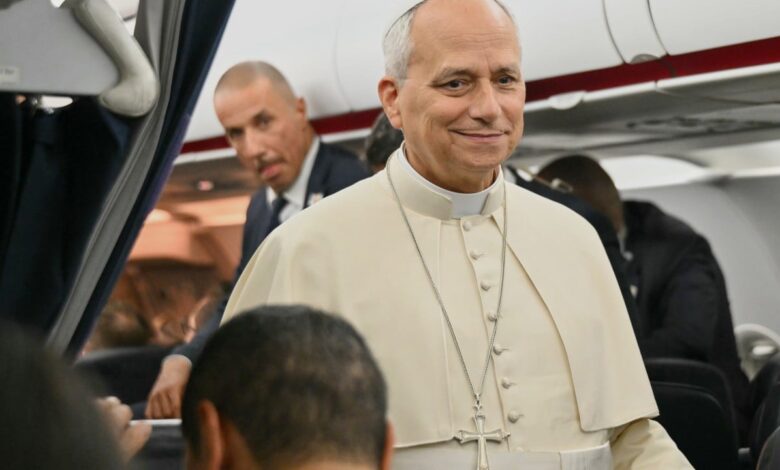
The pontiff, who has consistently warned of the dangers associated with rapid AI development throughout his 16-month tenure, also directed criticism at the heads of major technology companies. He specifically challenged the arguments made by certain CEOs who have contended that there should be no guardrails on the technology. This stance contrasts sharply with the prevailing rhetoric in Silicon Valley, where many leaders have argued that over-regulation stifles innovation and that safety can be addressed through internal corporate governance rather than external legislative constraints.
“I do think that the concerns raised by many of the experts, specialists in AI, should be taken seriously,” the pontiff said.
By invoking the authority of “experts” and “specialists,” Pope Leo I aligned the Vatican’s position with the consensus among many AI researchers and safety engineers who have expressed alarm over the trajectory of large language models and autonomous systems. The statement underscores a growing divide between the pace of technological deployment and the speed of regulatory and ethical adaptation. While tech executives often emphasize the economic benefits and transformative potential of AI, the Pope’s comments highlight the potential catastrophic downside, suggesting that the absence of robust safeguards could lead to irreversible global harm.
The timing of these remarks is significant, occurring during a period of intense scrutiny regarding the development of frontier AI models. Governments worldwide are grappling with how to legislate for technologies that evolve faster than traditional bureaucratic processes. The US administration’s reluctance to impose strict international standards on AI development has drawn criticism from multilateral bodies and religious institutions alike. The Pope’s intervention adds a layer of diplomatic weight to calls for international cooperation on AI safety, potentially influencing public opinion in regions where the Catholic Church holds substantial social influence.
The criticism of technology CEOs who advocate for “no guardrails” reflects a broader ideological clash over the governance of emerging technologies. Proponents of a deregulatory approach argue that market forces and competitive pressure will naturally drive the development of safer systems. However, critics, including the Pope and various AI safety researchers, argue that this approach is insufficient given the scale of potential harm. They contend that without binding international agreements and enforceable safety standards, the incentives for rapid deployment may outweigh the incentives for caution.
This development marks a notable shift in the Vatican’s public engagement with technology policy. While previous pontiffs have addressed ethical implications of science and technology, Pope Leo I’s specific focus on AI and his direct confrontation with political and corporate narratives signal a more active role in shaping the global discourse. The statement does not propose specific technical solutions or regulatory frameworks but establishes a moral imperative: that the risks are real, the experts are credible, and the lack of caution is a grave error.

The practical significance of these remarks lies in their potential to mobilize civil society and influence legislative debates. By validating the concerns of AI specialists, the Pope provides a platform for safety advocates who may otherwise be marginalized by political dismissal. This could pressure governments to adopt more rigorous oversight mechanisms, such as mandatory safety testing for frontier models or international treaties on AI development.
As the technology continues to advance, the debate over AI governance is likely to intensify. The Pope’s stance adds a new variable to this equation, one that appeals to ethical and humanitarian considerations rather than purely economic or national security interests. The next phase of this discourse will likely involve further engagement from religious leaders, international organizations, and governments as they attempt to balance innovation with safety. The unresolved technical questions surrounding alignment, controllability, and the long-term impact of AI on human society remain at the forefront of this evolving crisis.