The poll, which surveyed 1,022 people last week, shows Labor maintaining a primary vote of 29%, up from 26% in August. However, the rise in One Nation’s support has outpaced gains for the governing party, leaving the Coalition at its lowest point in the Essential poll series. The political landscape is further complicated by majority support for specific migration restrictions, including the forced deportation of visa overstayers, which 70% of respondents backed.
Migration policy diverges sharply
Migration has become the central battleground of the election, with each party proposing significantly different targets for net overseas migration. One Nation has pledged to achieve net negative migration for its first three years in government, aiming to remove 750,000 people from the migration figures to create “breathing space” for housing construction. This would involve a net migration rate of negative 25,000 annually before settling on a long-term ceiling of below 130,000.
The Coalition has proposed a temporary halving of net migration to 100,000 for the first two years, gradually increasing to 160,000 by the fourth year. Taylor has suggested tying future immigration numbers to the pace of new housing completions. In contrast, Home Affairs Minister Tony Burke has announced measures to ensure net migration returns to the federal budget’s forecast of 225,000 by 2028, a figure the government now treats as a hard target rather than an indicator.
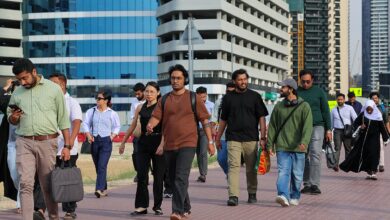
Despite the political focus on cuts, the poll indicates that 46% of Australians view migration as a positive for the country, compared to 39% who see it as a negative. However, 55% still want the annual intake lowered, with 29% preferring it remain the same and 16% wanting an increase. Respondents who supported a reduction most commonly cited refugees and family members of residents as the categories to prioritize for cuts.
Historical parallels and campaign tactics
One Nation’s current polling positions echo its performance in the 1998 Queensland election, where the party won 11 seats and nearly 23% of the primary vote. At the time, the party came close to forming a minority government but was blocked when an independent elected to a previously National-held seat backed Labor leader Peter Beattie. Beattie has noted that had the National Party’s Rob Borbidge won that election, a minority government with One Nation support might have been formed, though it would likely have been short-lived.
The party’s current campaign strategy has adopted a high-energy, theatrical approach. The launch of One Nation’s Victorian election campaign featured pyrotechnics, smoke machines, and music, a style that national director James Ashby compared to the campaigns of US President Donald Trump. Ashby described the event as setting a new standard for political statement events, aiming to translate political frustration into a highly visible public spectacle.
While the Coalition’s final migration policy remains to be fully detailed, the divergence between the parties is stark. One Nation’s plan includes restricting international student visas to just over 100,000 a year, down from approximately 290,000 granted in the last financial year. The government’s approach, conversely, focuses on ensuring skilled worker visas are directed toward industries with shortages, such as health and construction, a proposal supported by 74% of poll respondents.