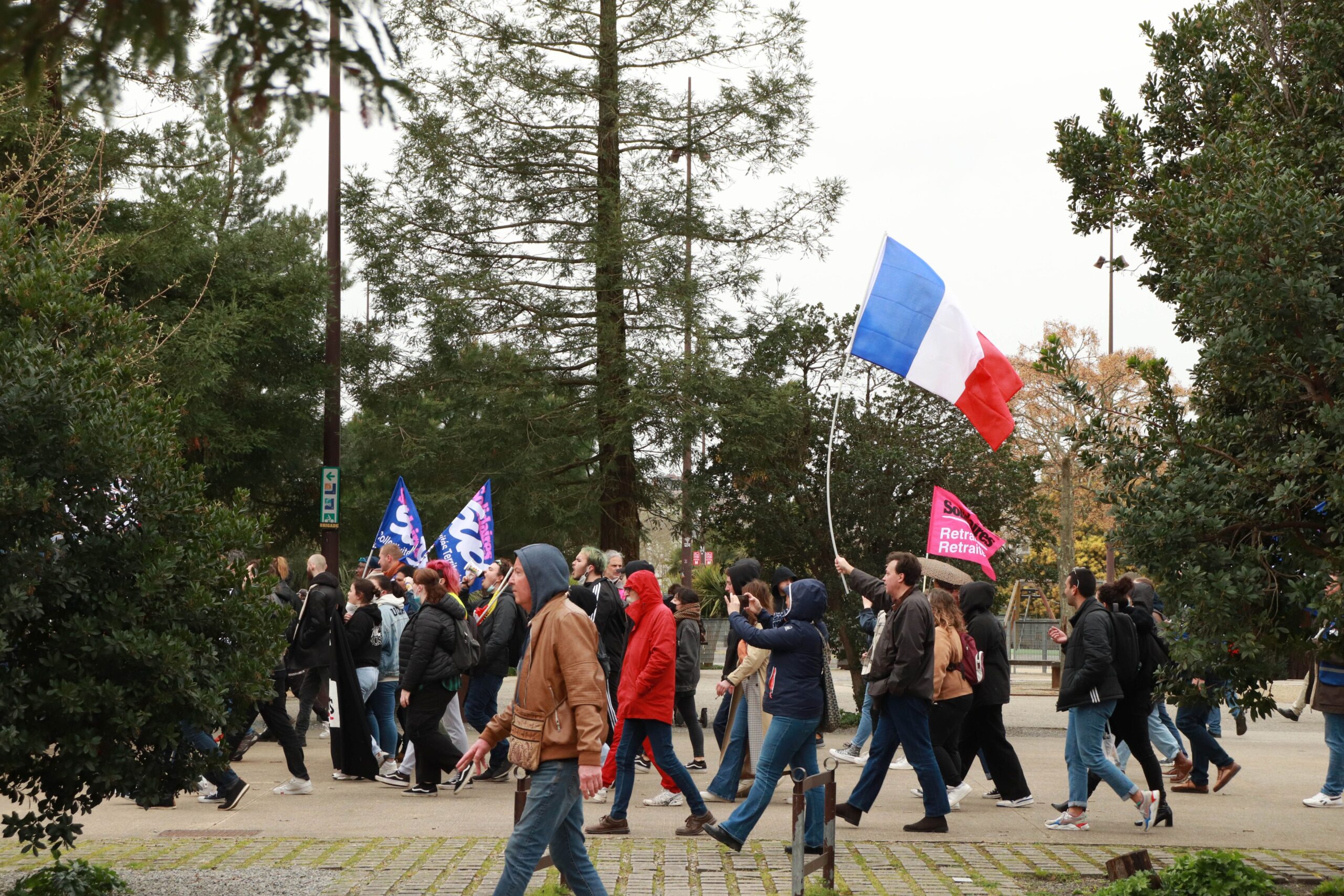
The political significance of these gatherings extends beyond the immediate grievances on the streets. The demonstrations are occurring in the critical run-up to next year’s presidential election, a period where the government’s handling of weeks of social unrest is under intense scrutiny. The scale of the mobilization, now in its sixth week, suggests that the discontent is not a fleeting reaction but a sustained political force capable of influencing the electoral landscape. The central issues driving the crowds include the rising cost of living, which remains a primary concern for the French public, alongside specific policy disputes regarding education and military spending.
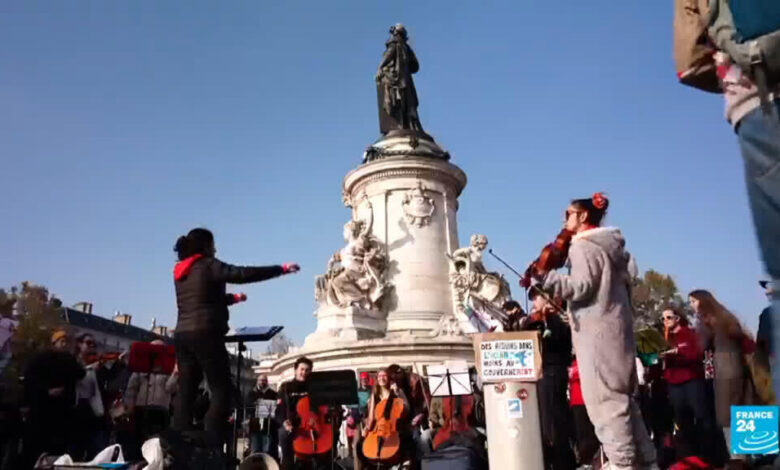
These protests are not isolated to France; the unrest has resonance across Europe, with demonstrators in other nations also rallying over similar economic and social pressures. However, the French context is particularly acute due to the proximity of the presidential election. The government faces a dual challenge: addressing the immediate economic anxieties of the population while managing the political fallout of prolonged social instability. The involvement of musicians highlights the intergenerational nature of the movement, with youth-led groups employing culturally resonant methods to articulate their opposition to what they perceive as the establishment’s failure to address inequality.
The institutional response to these weeks of unrest has become a key metric for evaluating the government’s effectiveness. In democratic systems, the ability of the state to maintain order while allowing for the expression of dissent is a test of its legitimacy. The fact that the protests have persisted for six consecutive Saturdays indicates that previous attempts to quell the unrest or address the core demands have not been sufficient to dissipate the momentum. The focus on education and military spending suggests that the grievances are multifaceted, touching upon both domestic social contracts and broader geopolitical or fiscal priorities.
Political analysts interpret these sustained demonstrations as a potential precursor to significant electoral shifts. With the presidential election looming, opposition parties may leverage the discontent to critique the incumbent administration’s management of the economy and social services. The use of music in the protests serves to unify disparate groups under a common cause, creating a cohesive narrative that is difficult for authorities to dismiss as fringe or incoherent. This cultural aspect of the protest adds a layer of complexity to the political discourse, moving the debate from purely policy-based arguments to a broader contest over social values and collective identity.
While the specific policy demands vary among different factions within the protest movement, the overarching theme of economic hardship remains constant. The rising cost of living is a tangible issue that affects a wide demographic, making it a potent rallying point. The inclusion of education and military spending in the list of grievances indicates that the protesters are also challenging the government’s allocation of resources, questioning whether current priorities align with the needs of the population. This scrutiny of fiscal policy is likely to intensify as the election campaign progresses, with candidates expected to address these concerns directly.
The role of media in documenting these events is also noteworthy. France 24’s coverage, including reports from journalists like Antonia Kerrigan, provides an international perspective on the domestic unrest. By highlighting the musical elements of the protests, the media is capturing the human and cultural dimensions of the political crisis, offering a more nuanced picture than simple crowd counts or headline demands. This approach helps to convey the depth of the social unrest to a global audience, potentially influencing international perceptions of France’s political stability.
As the sixth week of protests unfolds, the focus remains on the intersection of economic anxiety and political accountability. The government’s ability to respond to these sustained challenges will be a defining factor in the upcoming presidential election. The protesters, armed with both their voices and their music, continue to press for change, ensuring that the issues of cost of living, education, and spending remain at the forefront of the national conversation. The outcome of this prolonged period of unrest will likely shape the political agenda for years to come, as the electorate weighs the performance of the current leadership against the promises of potential challengers.
The persistence of the demonstrations into their sixth week serves as a clear indicator that the political tension in France is far from resolved. The integration of artistic expression into the protest movement adds a layer of cultural resilience to the political opposition, making it a more durable and visible force. As the election approaches, the stakes for both the government and the opposition rise, with the management of this social unrest becoming a central theme in the campaign. The next developments will likely see increased political rhetoric and potentially new policy proposals aimed at addressing the core grievances that have kept the streets filled for over a month.