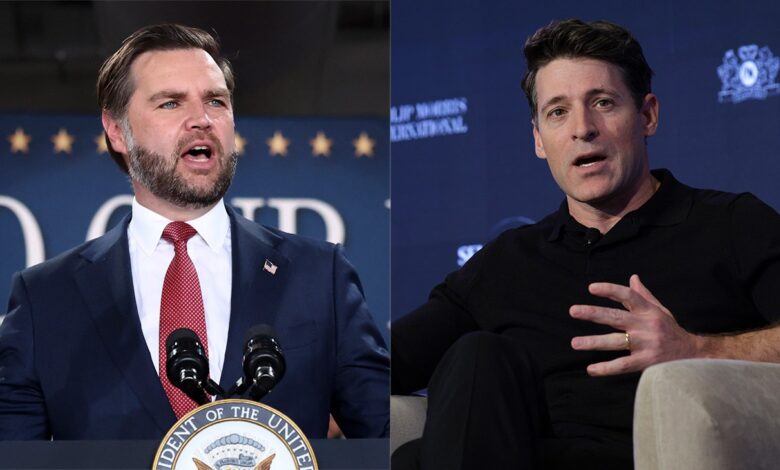
The selection of Michigan is strategically significant for the administration. The state is home to key seats in both the Senate and the House of Representatives that are up for election, and voters there are also set to elect a new governor for the first time in eight years. By holding the event in this location, the Vice President aims to address the specific concerns of a demographic that has historically influenced national political outcomes. Attendees for the town hall will be drawn from across the political spectrum, providing a platform for direct engagement with questions on policy and governance.
Key Policy Issues to Be Addressed
The agenda for the town hall is broad, reflecting the complex domestic and international challenges facing the country. According to the event’s outline, Vance is expected to discuss several high-priority issues, including:
- Congressional Elections: The political dynamics of the upcoming midterms and the administration’s stance on legislative priorities.
- Affordability and Tariffs: The economic impact of recent tariff policies and strategies to address cost-of-living concerns.
- Immigration and Healthcare: Ongoing debates regarding border security and healthcare access.
- Artificial Intelligence: The regulatory landscape and the role of AI in the economy.
- The War with Iran: A significant portion of the discussion is expected to focus on the military and diplomatic response to the conflict with Iran.
- State of Democracy: Issues related to electoral integrity and the health of democratic institutions.
The inclusion of the “war with Iran” as a specific topic underscores the administration’s focus on national security in the lead-up to the elections. This aligns with recent developments in the Middle East, where fighting has intensified in Yemen. Saudi-backed government forces have launched a new campaign against the Iran-backed Houthi movement. Recent military operations include the cutting of a key supply route between Taiz and Aden, with clashes continuing around Taiz and along the Red Sea coast. The Saudi-led coalition has stated its commitment to supporting the Yemeni government in countering Houthi threats, including attacks targeting Saudi Arabia and maritime traffic near the strategic Bab al-Mandab Strait.
Media Context and Administrative Responses
The town hall arrives amid heightened tensions between the administration and portions of the media. Defense Secretary Pete Hegseth recently launched a sharp critique of press coverage surrounding the USS Abraham Lincoln, an aircraft carrier returning to San Diego after a nearly 10-month deployment tied to the Iran conflict. Hegseth accused media outlets of mischaracterizing the mission and the morale of the crew, referring to such reporting as a “bullsh*t headline from some fake news outlet.” He emphasized that the sailors should be defined by their accomplishments during Operation Epic Fury rather than by negative publicity, expressing his intent to assess the crew’s condition firsthand upon their return.
This friction highlights the broader challenge the administration faces in controlling the narrative during a period of active military engagement and domestic political scrutiny. The “Things That Matter” town hall is viewed as a significant effort by CBS News editor-in-chief Bari Weiss to continue a series of high-profile events featuring newsmakers. Previous iterations of this format have included appearances by former U.S. Senator Ben Sasse, Maryland Governor Wes Moore, and members of the Artemis astronaut corps.
For Vice President Vance, the event serves as a direct conduit to voters who are weighing economic stability against national security commitments. As the midterm elections approach, the ability to articulate a coherent response to tariff impacts, healthcare access, and the ongoing conflict in the Middle East will be central to the administration’s political strategy in swing states like Michigan.
The next major political step will be the broadcast of the town hall on October 17, followed by the official start of the general election period as voters head to the polls in November.