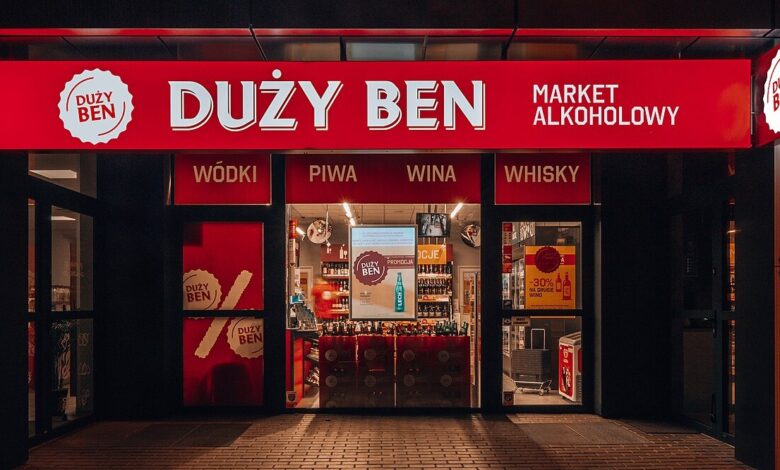
The new restrictions were originally proposed as separate bills by junior coalition partners The Left (Lewica) and the centrist Poland 2050 (Polska 2050), but were combined into a single legislative package. Under the approved measures, the sale of alcohol for take-away or off-premise consumption will be prohibited between 10 p.m. and 6 a.m. Local authorities will retain the option to extend these curfew hours, potentially broadening the ban to cover the period from 9 p.m. to 9 a.m. if they choose to do so. The legislation explicitly exempts on-premise venues such as bars, clubs, and restaurants, which will remain permitted to serve alcohol during these hours as they currently do.
The bill also broadens existing regulatory frameworks by extending the ban on alcohol advertising to include beer, a specific provision that has drawn sharp criticism from the brewing industry. Additionally, the legislation introduces curbs on promotional activities and increases licensing fees associated with the sale of alcoholic beverages. The stated goals of these restrictions are to improve public safety, reduce nighttime noise, and curb disorder in urban areas.
Proponents of the bill point to the success of local initiatives already in place. Almost 200 Polish municipalities, including major cities such as Warsaw and Kraków, have independently introduced local bans on nighttime alcohol sales. In Kraków, data indicates that police interventions during nighttime hours fell by nearly half during the first six months following the implementation of these local measures, with other cities reporting similar improvements in public order.
Industry and Political Reactions
The beer industry trade association, Browary Polskie, has publicly contested the breadth of the new regulations. In a statement, the association described the ban on beer advertising as a measure of “questionable merit” that comes at too high a price. While acknowledging the need to combat addiction and excessive consumption, the group argued that the proposed regulations fail to serve that purpose and instead hinder the development of non-alcoholic products that offer consumers an alternative to traditional beer. The association called for a thorough analysis of the impact on the broader economy and consumers, rather than a blanket ban on advertising.
In contrast, The Left (Lewica), a key architect of the bill, framed the vote as a decisive rejection of corporate influence over public health. In a post on social media, the party stated that the Sejm had “said stop to the alcohol lobby.” The party highlighted that alcohol has historically been one of the most accessible products, available at any hour and promoted extensively through television, the internet, and billboards. The party’s position emphasized prioritizing public health over profit, asserting that the legislation listens to the voices of Polish citizens rather than industry interests.
The legislative process now moves to the Senate, the upper house of the Polish parliament. Should the Senate approve the bill, it will be forwarded to President Karol Nawrocki for final signature and entry into force. The passage of this law would mark a significant shift in Polish public policy, standardizing what were previously fragmented local ordinances into a uniform national framework for alcohol regulation.