The decision marks the culmination of a three-year evaluation process that assessed 75 different technological options. The final shortlist narrowed to two competitors: Rolls-Royce SMR’s design and the BWRX-300 proposed by GE Vernova and Hitachi. The selection of the British firm over its American rival integrates Sweden into a growing European nuclear program, joining the United Kingdom and the Czech Republic, which have also adopted Rolls-Royce SMR technology.
Desirée Comstedt, acting CEO of Videberg Kraft, emphasized the strategic logic behind the choice, noting that Rolls-Royce offers a robust network of subcontractors largely located in the geographical vicinity of the project. “By choosing to move forward with Rolls-Royce SMR, Videberg Kraft and its owner companies also become part of a European programme, where we can benefit from shared experience,” Comstedt said. Anna Borg, CEO of Vattenfall and board member of Videberg Kraft, added that the board’s assessment concluded Rolls-Royce provided the best pre-requisites for a successful delivery.
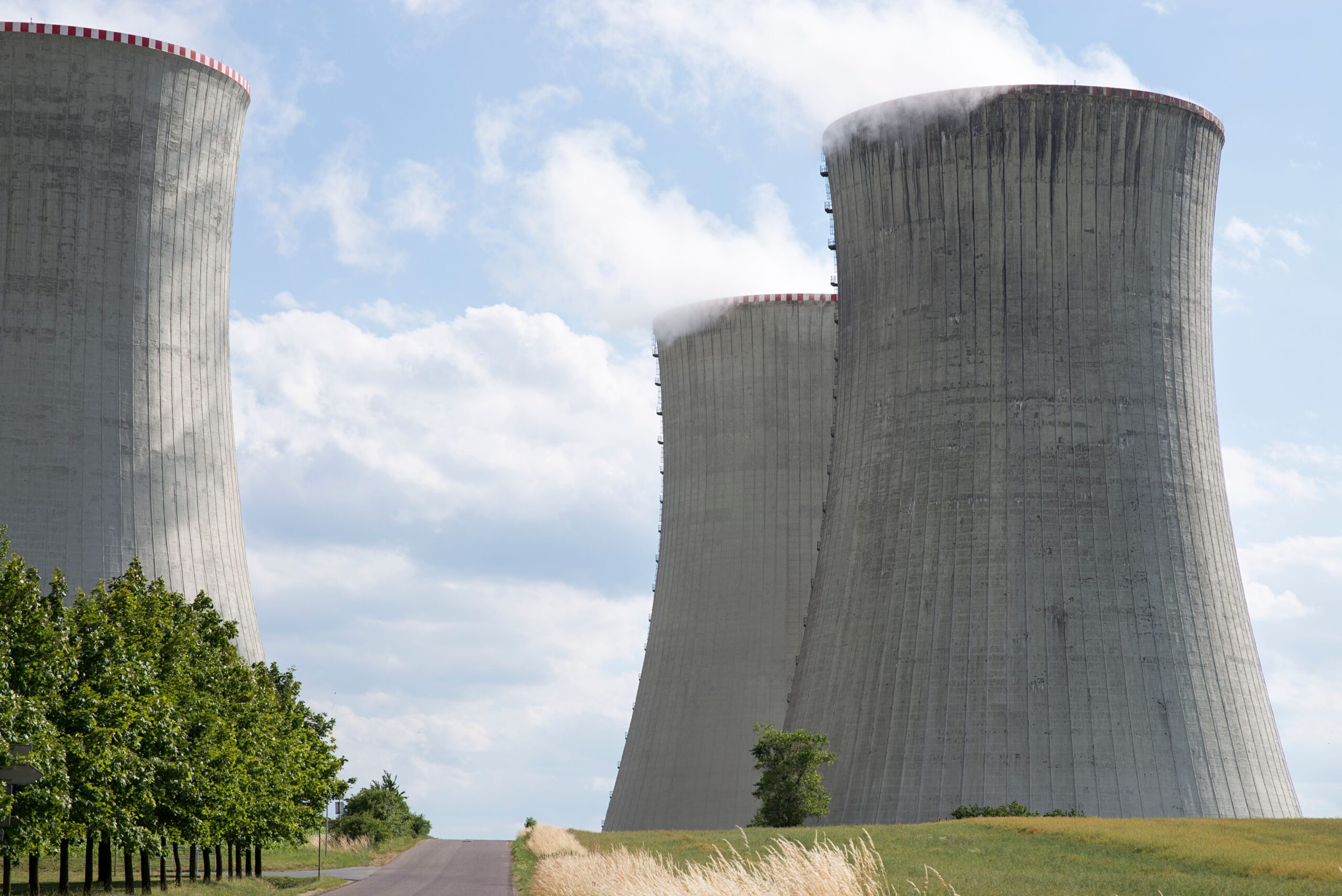
Technically, the project will utilize Rolls-Royce’s 470 MWe design, a small pressurized water reactor (PWR). This is the same reactor type currently in operation at Ringhals, a fact Vattenfall CEO Anna Borg highlighted as a key advantage, citing it as a “well-proven technology.” The reactors are designed for baseload generation over a lifespan of at least 60 years. A critical aspect of the design is its industrialized construction method; approximately 90% of the reactor, which measures about 16 meters by 4 meters, will be fabricated in factory conditions. This approach limits on-site activity to the assembly of pre-fabricated, pre-tested modules, a strategy intended to significantly reduce project risk and shorten build schedules.
The selection process reflects a broader shift in Swedish energy policy. In October 2022, Sweden’s centre-right coalition government adopted a positive stance towards nuclear energy, driven by energy security concerns and forecasts that electricity demand could double by 2045. Subsequent legislation unveiled a roadmap for new nuclear capacity, with a new state aid act entering into force on August 1, 2025. Videberg Kraft submitted the first application for this state aid in December 2025. The government has announced plans to take a 60% majority stake in Videberg Kraft, pending parliamentary approval, to support the construction of at least 5,000 MW of new nuclear capacity. To facilitate this, the state has offered up to 440 billion crowns (approximately $47 billion) in loans, along with 40-year price guarantees and support for nuclear waste management.
Competitive Landscape and Industrial Context
The choice to proceed with Rolls-Royce SMR occurs against a backdrop of intense competition in the global nuclear market. In August 2025, Videberg Kraft had indicated it planned to order either five BWRX-300 reactors from GE Vernova or three Rolls-Royce SMRs, with both options targeting a total output of close to 1,500 MW. The decision to go with the smaller number of Rolls-Royce units aligns with that company’s strategy of a standardized fleet, a point emphasized by Rolls-Royce SMR CEO Chris Cholerton, who described the Swedish selection as a “strong endorsement” of their approach.
While the new build at Värö focuses on Rolls-Royce technology, other Swedish entities are pursuing different nuclear paths. Blykalla has applied for government financing for a plant in Norrsundet featuring six SEALER reactors, while Studsvik has sought support for up to 1,400 MW of new nuclear power using small modular reactors in the southern part of the country. Additionally, the existing nuclear infrastructure in Sweden continues to operate with different supply chains; Global Nuclear Fuel’s GENUSA subsidiary recently secured a contract to supply fuel reloads for Vattenfall’s Forsmark plant, utilizing GNF2 fuel assemblies fabricated in Spain.
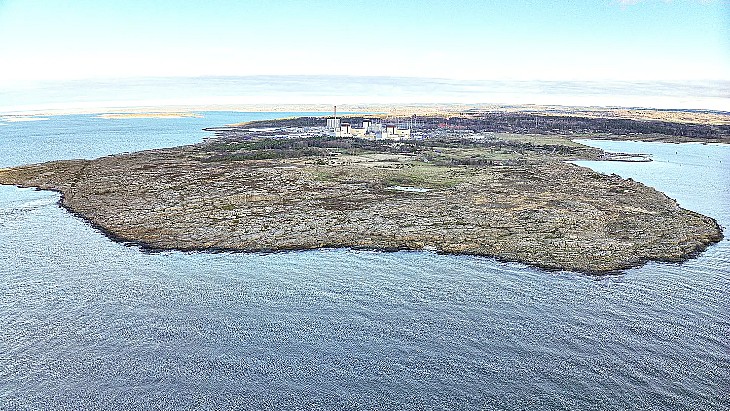
For the Värö project, the immediate next steps involve navigating the permitting process. A recent decision to revoke part of a nature reserve on the peninsula was described by Comstedt as a “crucial prerequisite” for construction. With a first operating unit targeted for the mid-2030s, the project represents a major test case for the industrialization of nuclear energy in Europe, aiming to balance the need for secure, low-carbon baseload power with the logistical complexities of modern reactor deployment.