
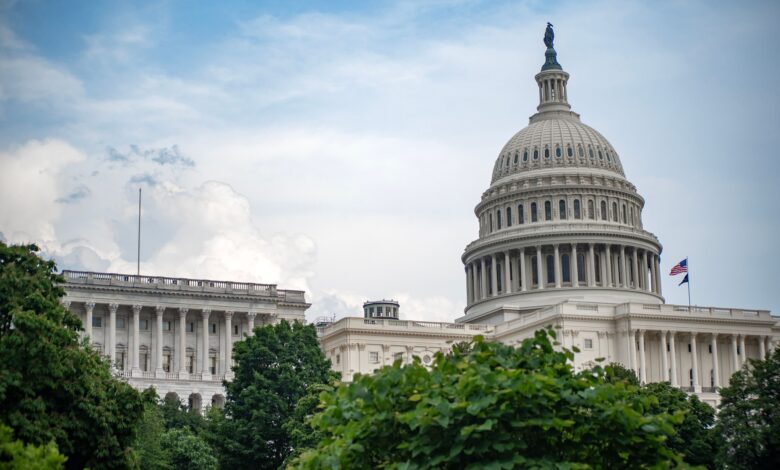
The sanctions represent the latest step in a series of actions taken by the current US administration aimed at undermining the court’s operational capacity. By targeting the ICC directly, Washington has moved beyond diplomatic objections to enforce financial and legal restrictions against the judicial body. The move immediately drew sharp criticism from the court itself, which denounced the US actions as “an assault on the rule of law” designed to prevent it from carrying out its mandate.
The ICC serves as the primary international tribunal for prosecuting individuals for genocide, crimes against humanity, war crimes, and the crime of aggression. The United States is not a party to the Rome Statute, the treaty that established the court, and has historically opposed its jurisdiction. However, the imposition of formal sanctions against the institution itself is a distinct legal and diplomatic maneuver that seeks to isolate the court from the global financial and political system.
The US government’s stated rationale centers on the allegation that the ICC is engaging in unlawful activities by pursuing cases involving US and Israeli citizens. The administration characterizes these pursuits as a violation of national sovereignty and an overreach of judicial authority. In response to these accusations, the ICC maintains that its actions are grounded in international law and its founding treaty, asserting that the sanctions are intended to obstruct its legitimate work.
While the US moves to dismantle the court’s influence, a coalition of major powers has moved to reinforce it. The Foreign Ministries of Canada, Denmark, Germany, France, Italy, Japan, the Netherlands, and the United Kingdom issued a joint statement on October 9, expressing their continued support for the International Criminal Court. This coordinated response signals a diplomatic split, with these nations endorsing the court’s role in international justice while the US pursues a strategy of sanctions and isolation.
The timing of the sanctions announcement coincided with the ICC gaining a notable boost in prestige, as a former judge of the court was recently awarded the Nobel Peace Prize. This juxtaposition highlighted the divergent global perceptions of the institution: viewed by the US administration as a rogue entity, yet recognized by other international bodies and prestigious award committees as a vital component of global legal order.
The immediate legal consequence of the US sanctions is the potential freezing of assets and restriction of financial transactions involving the ICC and its officials. Such measures typically complicate the operational logistics of the court, including the payment of staff, maintenance of facilities, and the conduct of trials. The administration’s stated goal is to “dismantle” the organization, suggesting that further restrictive measures may follow if the court continues its current course of action.
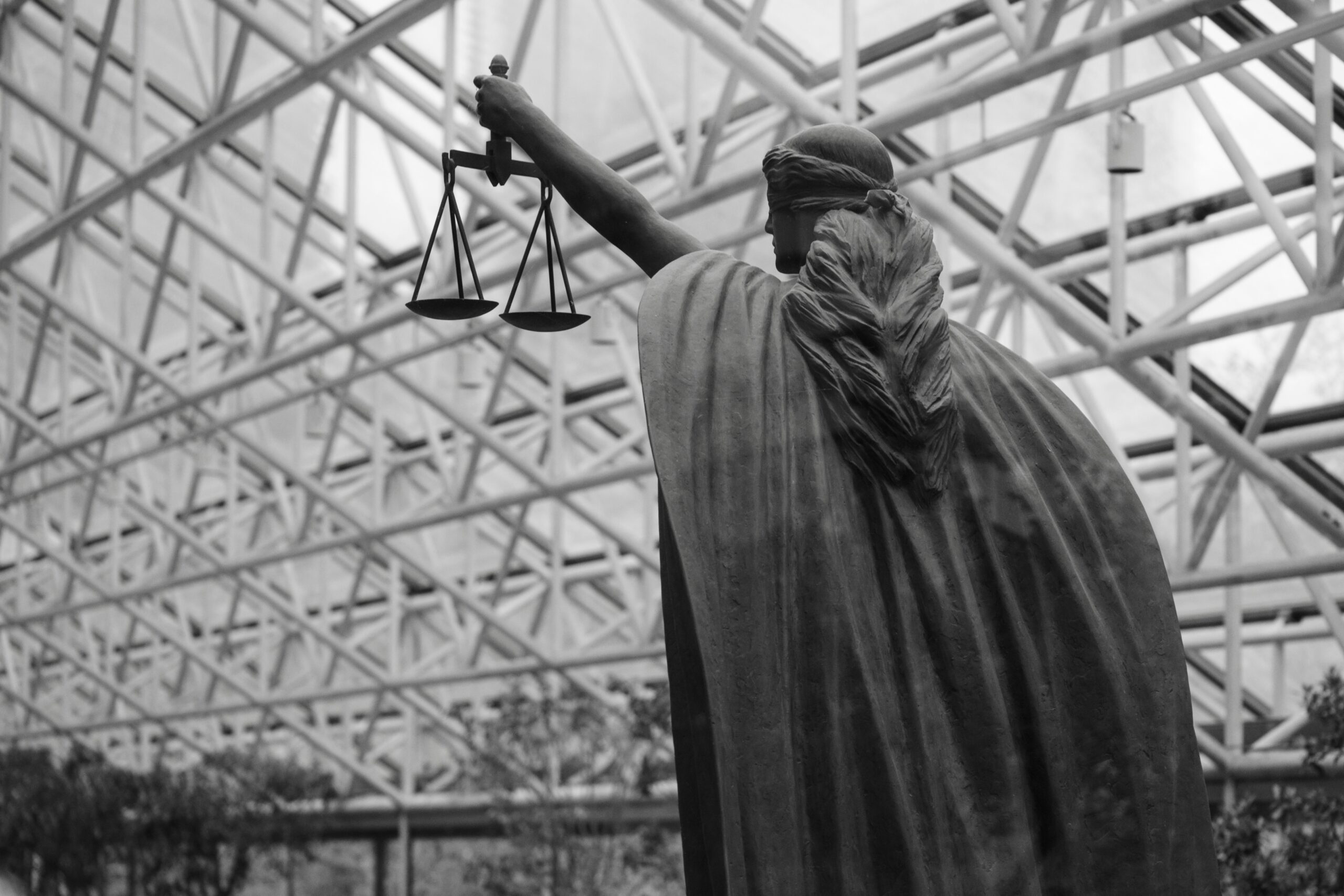
The ICC has not indicated any changes to its judicial proceedings in direct response to the sanctions. The court is expected to continue its work, relying on the financial and political support of its member states. The joint statement from the eight nations underscores that the court retains significant backing from key Western democracies, which may mitigate the impact of the US sanctions. The situation creates a complex legal landscape where the court must navigate between its mandate and the pressure from a major non-member state.
As the sanctions take effect, the focus will turn to how the ICC and its supporting member states respond to the financial and diplomatic pressure. The next steps will likely involve further diplomatic negotiations or legal challenges to the US measures. The enforcement of these sanctions will be a critical test for the court’s resilience and the commitment of its member states to upholding international judicial standards in the face of opposition from a major global power.