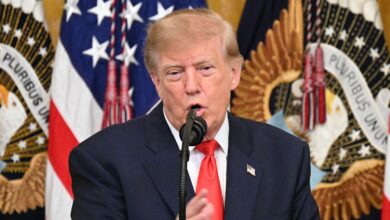
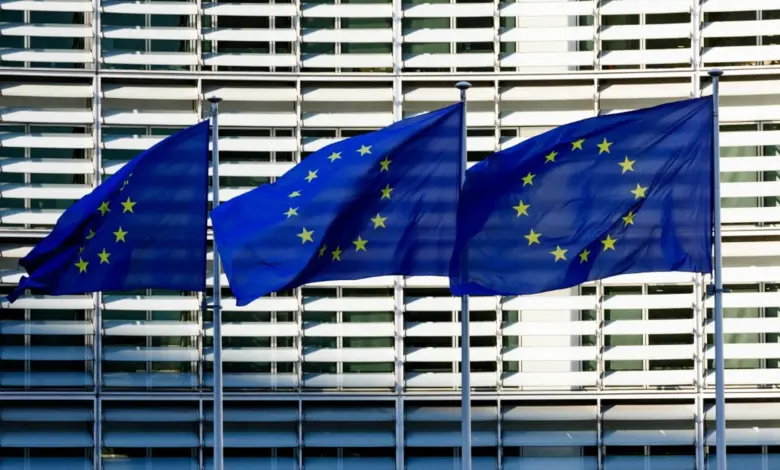
The sanctions, announced by the U.S. government, are described as sweeping in nature, targeting the court’s infrastructure and potentially its personnel. By imposing financial and legal penalties on the tribunal, the U.S. administration is challenging the legitimacy of the ICC, a permanent international court established to prosecute individuals for genocide, crimes against humanity, war crimes, and the crime of aggression. The EU’s response emphasizes that the ICC is a cornerstone of the international legal order and that unilateral sanctions against it set a dangerous precedent for global judicial cooperation.
In reaction to the U.S. move, Canadian legal professionals have called on the Canadian federal government to take concrete steps to strengthen the court. These experts are urging Ottawa to increase funding for the ICC or implement other supportive measures to bolster the tribunal’s capacity. The argument posits that as major Western powers face pressure from the United States, other democratic nations must demonstrate their commitment to independent international justice by ensuring the court remains financially stable and operationally effective.

The dispute highlights a growing divide in international relations regarding the scope and authority of supranational judicial bodies. While the ICC operates under the Rome Statute, which has been ratified by the vast majority of the world’s nations, the United States is not a party to the treaty. Consequently, the U.S. has historically resisted the court’s jurisdiction and has previously attempted to limit its reach through diplomatic and legislative means. The current sanctions represent the most aggressive action taken to date against the institution.
Legal analysts note that the effectiveness of such sanctions depends on the degree to which other nations comply with U.S. financial regulations. However, the EU’s explicit call for repeal signals a unified front among European states to resist this pressure. The High Representative’s statement serves as both a diplomatic protest and a rallying point for other countries that support the ICC. By framing the sanctions as an attack on the rule of law, the EU seeks to isolate the U.S. position within the international community.

For the ICC, the immediate consequence of the sanctions is uncertainty regarding its access to global banking systems and its ability to conduct investigations and trials without interference. The court relies on voluntary contributions from its member states, but the threat of secondary sanctions by a major economic power like the United States poses a significant risk to its logistical operations. The call from Canadian legal experts for increased funding is a direct countermeasure to this financial pressure, aiming to insulate the court from the impact of U.S. policy.
The next steps in this diplomatic crisis will depend on whether the U.S. administration maintains its stance or engages in negotiations to ease the sanctions. The EU has indicated that it will continue to support the ICC and monitor the situation closely. No formal appeal process exists for diplomatic statements, but the international community is likely to convene in various forums to discuss the implications for international justice. The outcome will have far-reaching effects on the future of multilateralism and the enforcement of international criminal law.