The initial tremor was centered approximately 7 miles southwest of the remote community of Pitaloza Arriba, at a depth of about 7 miles. The U.S. Geological Survey confirmed the magnitude and location. The second quake occurred roughly two and a half hours later, with its epicenter located about 8 miles west of Río Grande on Panama’s Pacific coast, at a slightly shallower depth of 6 miles.
Despite the intensity of the shaking, Panamanian President José Raúl Mulino stated that authorities had not documented any fatalities or injuries as of Friday evening. However, he cautioned that this status could change in the coming hours or days as communication lines are restored in remote areas. “Nobody was ready, and no one is ever ready for this type of disaster,” Mulino said, urging the public to remain calm and avoid spreading disorder.
The seismic activity was felt across a wide geographic range. In Panama City, located more than 100 miles from the epicenter, residents reported strong shaking that caused buildings to sway and objects to fall. Many residents fled to the streets, where they gathered in small groups, waiting for updates. Rosendo Domínguez, a 60-year-old resident of Herrera province, described the scene by phone: “We felt it very strongly. It knocked things over in the kitchen, but we’re OK, though we’re very scared. Everyone is outside, scared.”
“What happened should not be used to cause alarm or disorder,” President Mulino wrote on social media, calling for composure in the wake of the events.
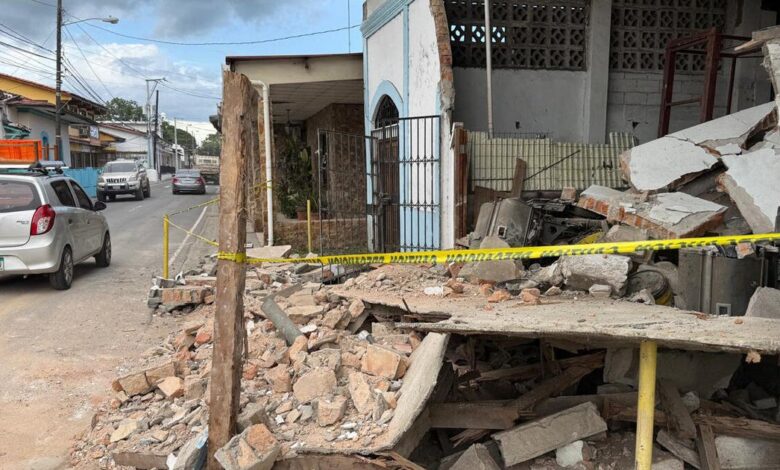
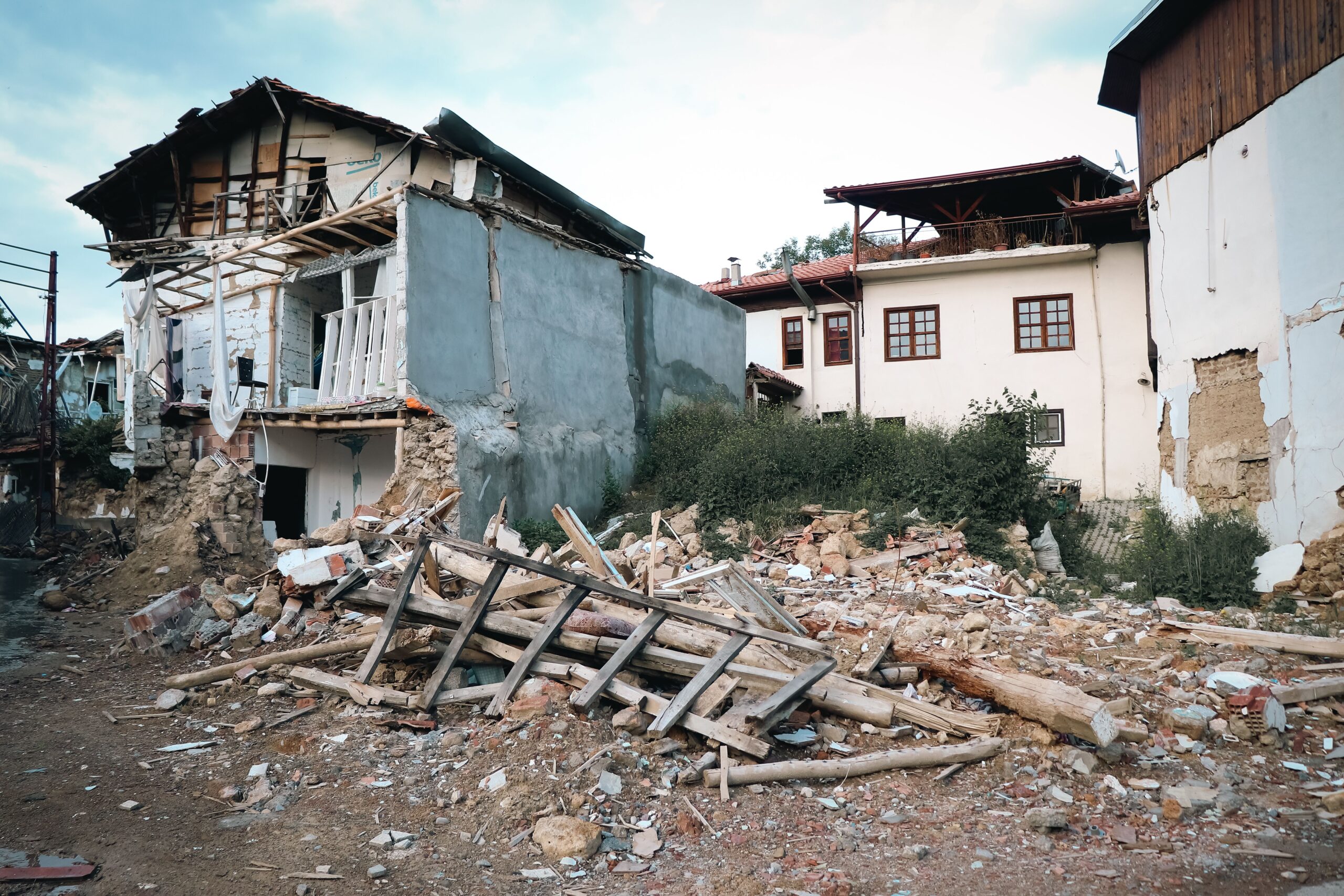
Damage reports indicate that the most significant structural impacts were concentrated in the central provinces of Veraguas, Herrera, and Los Santos. Omar Smith, a representative from the National Civil Protection Service, confirmed that while no major damage was reported in the capital’s skyscraper-dense districts, several injuries occurred in the interior.
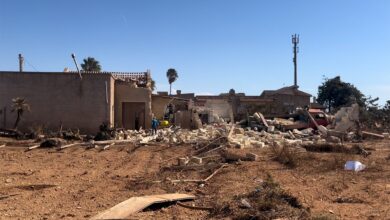
In the city of Penonomé, located approximately 93 miles from the capital, one person was struck by debris from a partially collapsed structure. Smith confirmed partial collapses and structural cracks at the local cathedral in the main square, as well as damage to the governor’s office and the Dos Continentes hotel. In Los Santos province, the Church of San Atanasio, a colonial-style Catholic church declared a National Historic Heritage Site in 1938, reportedly collapsed.
Beyond building damage, large fissures were observed along roadways in Veraguas province, posing potential hazards for transportation and emergency response efforts. Seismologists at the University of Panama recorded more than 45 aftershocks following the initial quakes, though many were too weak to be felt by the general population. Notable aftershocks included events measuring magnitude 5.8, 5.5, and 5.2.
The U.S. Pacific Tsunami Warning Center initially issued a warning regarding the potential for tsunami waves to hit Panama’s coast following the 7.7 magnitude event. However, the agency later stated that the threat had passed, and no tsunami-related damage was reported.
The double quake in Panama follows a series of devastating seismic events in the region over recent months. In June, back-to-back earthquakes of magnitude 7.2 and 7.5 struck Venezuela’s La Guaira state, resulting in more than 6,500 deaths and leaving 17,000 people homeless. In August, a magnitude 7.4 earthquake in Colombia killed at least 289 people. These successive disasters have heightened anxiety and scrutiny of infrastructure resilience across Central and South America.
As of the latest reports, the focus has shifted to assessing long-term structural integrity of damaged buildings and clearing fissures from major roadways. The absence of immediate casualties is a positive development, but the shallow depth of the quakes and the number of aftershocks keep rescue and assessment teams on high alert. Authorities continue to monitor the seismic activity to determine if further major tremors are likely.