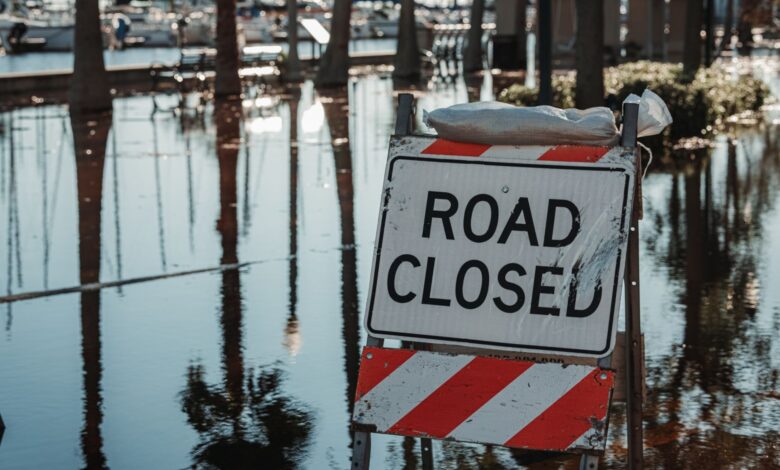
The transition from an active hurricane to a weakening inland system does not immediately alleviate the operational challenges faced by local communities and utility providers. Even as wind speeds dropped below hurricane force, the primary concerns shifted from life-threatening gusts to the safety implications of compromised infrastructure. Downed power lines presented immediate hazards in areas where visibility was reduced by debris and standing water. Crews working to restore electricity had to navigate these hazards while assessing the extent of damage to the grid.
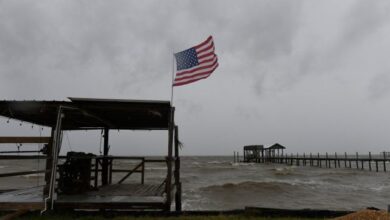
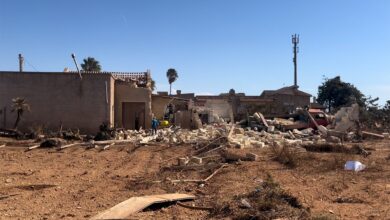
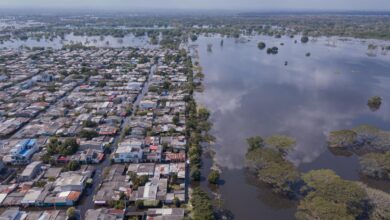
The environmental impact of the storm manifested primarily through flooding and wind-driven debris. The widespread nature of the power outages suggested that the storm’s circulation was broad enough to affect a significant portion of the Gulf Coast population. For residents in affected areas, the interruption of power compounded the difficulties of coping with the storm’s aftermath, limiting access to communication, cooling, and other essential utilities. The presence of continued flooding indicated that the storm’s rainfall and storm surge had saturated the ground and overwhelmed local drainage systems, leaving water on roadways and in low-lying areas.
As the storm weakened, the focus of emergency response and utility operations turned to stabilization and recovery. The assessment of damage was a critical phase in this process, determining the scale of repairs required to restore full service. The scattered nature of the debris meant that cleanup efforts were not confined to a single zone but were distributed across the affected regions. This distributed impact placed a strain on local resources, requiring coordinated efforts to clear roads and secure damaged properties.

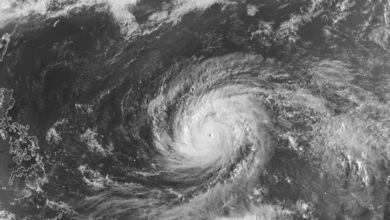
The weakening of the storm as it moved inland is a standard meteorological progression for tropical cyclones, driven by the loss of warm water energy source and increased friction with land. However, the residual effects of a Category 2 landfall are substantial. The combination of damaging winds and heavy rainfall created conditions that outlast the peak intensity of the storm. The widespread power outages highlight the vulnerability of electrical infrastructure to tropical weather events, particularly in coastal regions where such storms are a recurring risk.
For the communities along the Gulf Coast, the immediate period following landfall is characterized by a cautious optimism mixed with the practical realities of recovery. The reduction in wind speed allows for safer conditions for emergency personnel and residents to move about, but the risks associated with flooding and electrical hazards remain. The restoration of electricity is a key indicator of progress in the recovery effort, but it is a process that takes time, especially when the damage is widespread and complex.
The situation underscores the importance of preparedness and the resilience of local infrastructure in the face of severe weather. While the storm has passed its peak intensity, the work of rebuilding and restoring normalcy continues. The downed power lines and debris serve as tangible reminders of the storm’s force, and their removal is a necessary step toward returning the region to pre-storm conditions. The continued monitoring of weather conditions is essential, as the remnants of the storm can still produce rain and localized flooding even after the center has moved away from the coast.
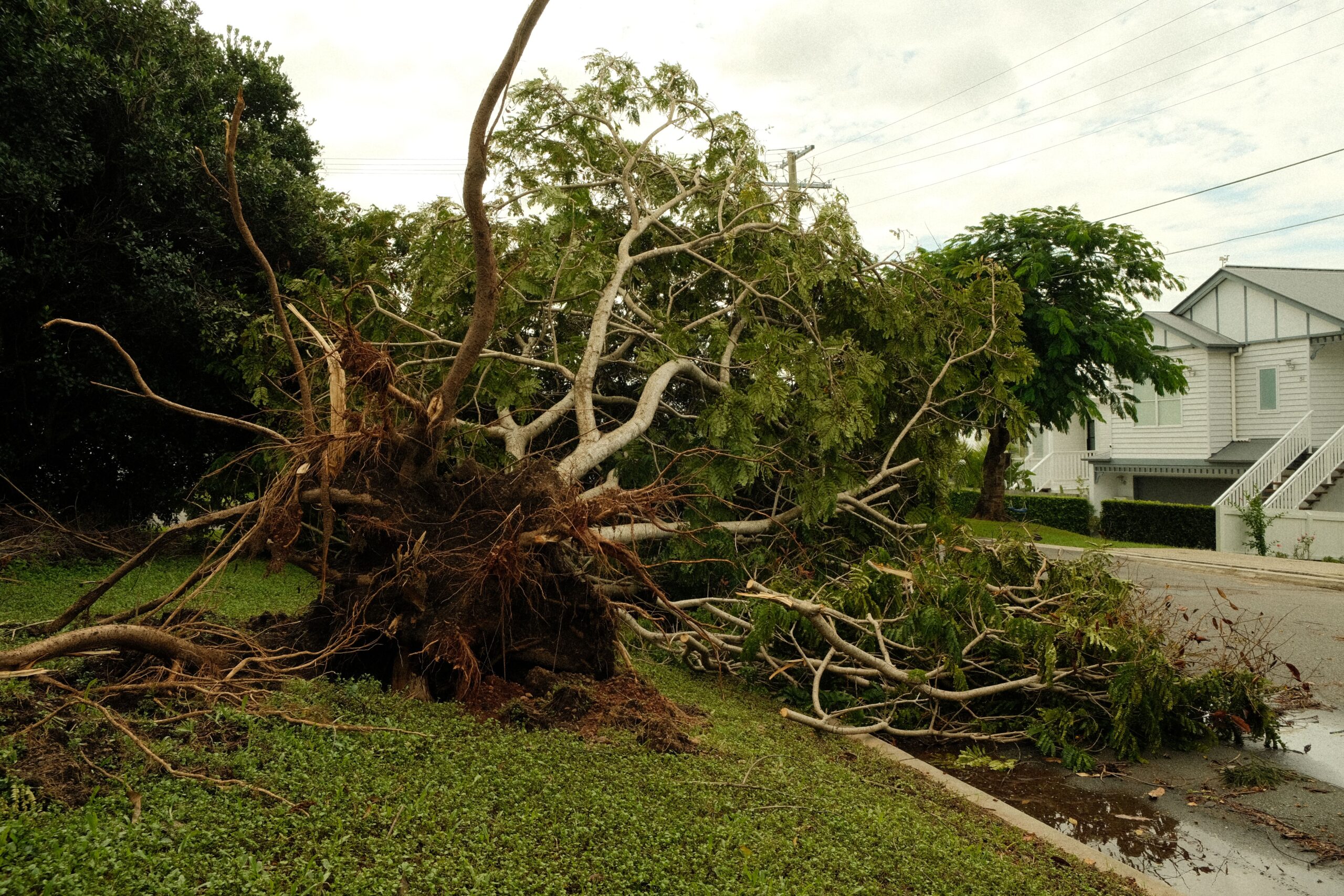
As crews work through the night and into the following days, the pace of recovery will be determined by the extent of the damage to the power grid and other critical infrastructure. The widespread nature of the outages suggests that a full restoration may take several days, during which time residents are advised to exercise caution and stay informed about local conditions. The event serves as a reminder of the persistent threat that hurricanes pose to the Gulf Coast, and the ongoing need for robust emergency response and infrastructure resilience.
The weakening of Hurricane Isaias marks the end of the most dangerous phase of the storm, but not the end of its impact. The challenges of dealing with flooding, debris, and power outages will define the next phase of the response. As the region begins to recover, the focus will shift from immediate life-saving efforts to longer-term reconstruction and resilience planning. The experience of this storm will likely inform future preparations for similar weather events in the coming seasons.