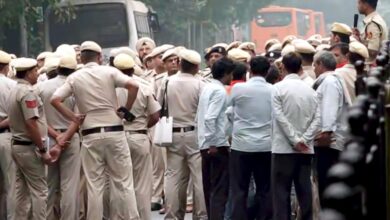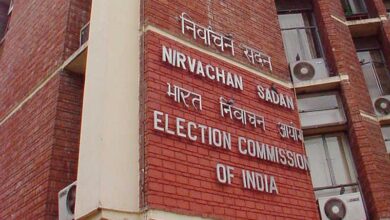
The release of the CJP leadership occurs against a backdrop of heightened security in New Delhi, where authorities have deployed Central Armed Police Forces, anti-riot units, and Vajra vehicles around key areas including Jantar Mantar and Connaught Place. Prohibitory orders under Section 163 remain active across the New Delhi district. Police have warned that any attempts to gather or stage unauthorized demonstrations demanding the resignation of Chief Election Commissioner Gyanesh Kumar will result in fresh detentions. The movement is centered on allegations of irregularities in the electoral process, which organizers claim justify the CEC’s removal.
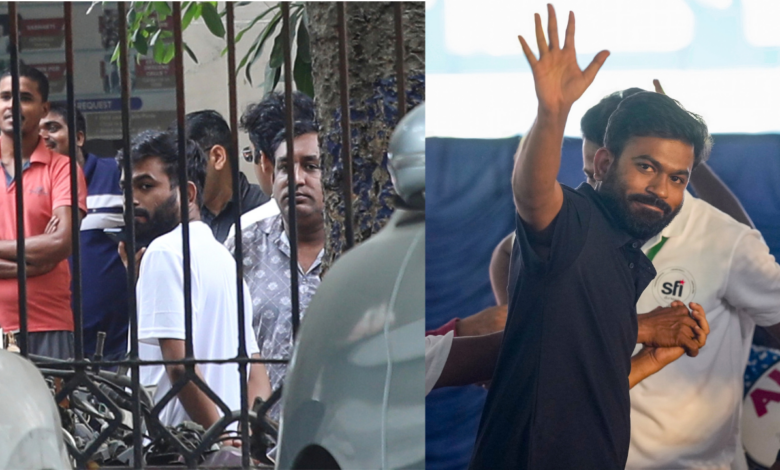
Conditions attached to the bail orders reportedly bar the released leaders from participating further in the protests or entering the New Delhi territory. Despite the release, the political landscape remains tense. On the second day of the demonstrations, crowd turnouts around Jantar Mantar were significantly lower than on the first day, a period marked by heavy detentions of participants from left-leaning student groups. The CJP core team is now preparing for a press conference to outline their next steps, including plans for fresh protests. Dipke has indicated an intention to return home to seek family support during this period, a decision reportedly influenced by the information provided by police regarding the demise of his grandmother, a claim that family discussions suggest contains inconsistencies.
The protests are part of a broader youth-led movement that has gained traction in recent weeks, challenging the integrity of India’s electoral institutions. The detention of the leaders was timed to coincide with what was expected to be a significant rally, prompting legal challenges that led to their swift release. While the immediate threat of mass arrests has been mitigated by the court’s order, the underlying political friction persists. Authorities maintain a heavy police presence, signaling their intent to uphold the prohibitory orders and prevent large-scale gatherings. The movement has called for continued civil disobedience, with leaders vowing to escalate their demands despite the legal constraints imposed on their core team.
Other political figures have weighed in on the unfolding situation, with some opposition voices drawing parallels to historical crackdowns to criticize the government’s response. The debate has shifted from purely administrative complaints about electoral irregularities to a broader discourse on civil liberties and the limits of preventive detention in India. As the CJP leaders prepare to address the media, the focus remains on whether the movement can sustain momentum without its key organizers present in the capital. The next scheduled legal steps will likely involve monitoring compliance with the bail conditions and any potential follow-up actions by the police if the prohibitory orders are tested again.