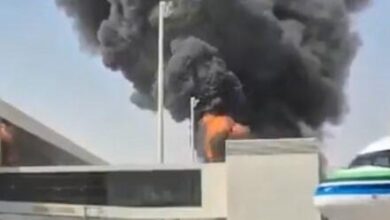
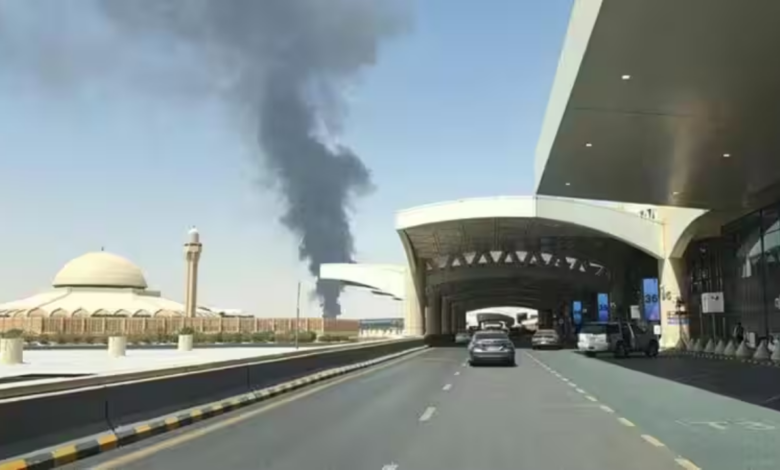
The Saudi General Authority of Civil Aviation (GACA) confirmed that the casualties include four Saudi citizens, two Bangladeshis, and one person each from the United States, Jordan, Palestine, Syria, Sudan, and Egypt. At least 309 individuals were injured, with some reported to be in critical condition and receiving treatment in local hospitals. The strike also caused significant property damage to the airport facilities.
This incident is the third assault by Houthi forces on King Khalid International Airport in the current week. Previous strikes on Thursday resulted in the deaths of at least three Saudi citizens, including a pilot, according to civil aviation authorities. The repeated targeting of a major international airport underscores the escalating intensity of the conflict and its potential to disrupt regional air travel and energy logistics.
In response to the Saturday attack, Saudi Arabia stated it would retaliate against the Houthi rebels. US President Donald Trump described the strike as “not acceptable,” while India condemned the incident as a “dastardly” attack. The international reaction highlights the severe diplomatic and security implications of targeting civilian infrastructure in a strategic Gulf state.
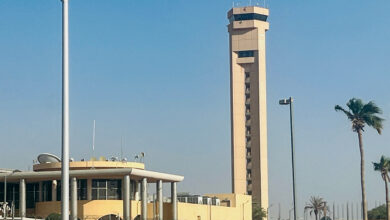
The Houthi movement, based in Yemen, has frequently targeted Saudi soil with drones and missiles in support of allied factions in the Yemeni civil war. The suspension of operations at King Khalid International Airport, which serves as a primary gateway for the Saudi capital and a major transit point for the region, is expected to cause significant disruption to passenger and cargo flows. Authorities have not yet specified when normal operations will resume, though the focus remains on the recovery of victims and the assessment of structural damage.
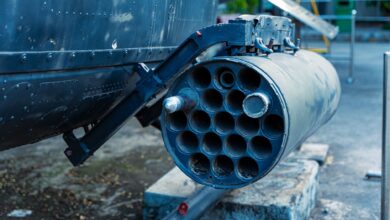
This development represents a significant escalation in the broader regional conflict. While the Houthis claim responsibility for the attacks, Saudi military officials have indicated that air defense systems were activated during the strike, though details regarding the specific munitions used or the trajectory of the projectiles have not been fully disclosed. The kingdom’s pledge of a decisive response suggests potential for increased military activity along the Yemeni border or in Yemeni airspace in the coming days.
The humanitarian toll of the attack is substantial, with hundreds of injured individuals requiring medical care. The presence of casualties from multiple nationalities, including citizens of the United States and several Middle Eastern and Asian countries, reflects the diverse international community that relies on Saudi aviation hubs. The incident has raised fresh concerns about the safety of commercial aviation in the region and the effectiveness of existing air defense networks against low-altitude or ballistic threats.
As Saudi authorities work to secure the airport perimeter and manage the aftermath, regional security analysts are watching for the nature of the promised retaliation. The timing of the response and the specific targets selected will likely be viewed as indicators of the kingdom’s strategic posture in the ongoing conflict with Yemen’s Houthi rebels. No further attacks have been confirmed since the Saturday incident, but security alerts remain in effect for the area.