
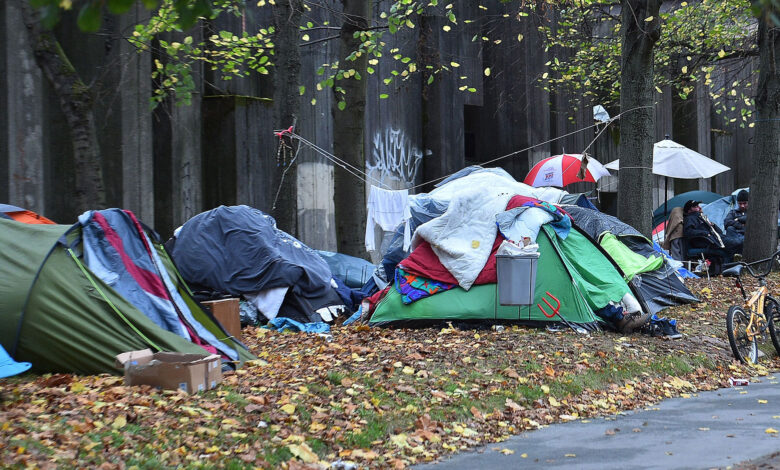
The political commitment arrives at a time of acute crisis, with the number of people sleeping rough recorded at 4,793, the highest figure on record. While homelessness charities have welcomed the new funding, there is significant scepticism regarding the government’s ability to deliver on the promise. Previous administrations, including those led by Boris Johnson and Keir Starmer, made similar pledges to end or significantly reduce rough sleeping, yet numbers have continued to climb.
The new strategy builds on the government’s broader commitment to build 1.5 million new homes and invest £39 billion in social and affordable housing over the next decade. A cross-government homelessness strategy was published at the end of 2025, which includes the scrapping of the two-child benefit limit to lift vulnerable children out of poverty. However, analysts note that the strategy lacks a specific commitment to the “housing first” model, a long-term intervention that provides unconditional housing alongside wraparound services for mental health and addiction issues.
Frontline outreach workers in England are currently facing a surge in demand. In south London, charities are reporting increased numbers of new rough sleepers in parks, graveyards, and car parks. Many of these individuals have complex needs, including mental health challenges and substance use issues, or have fallen into homelessness following job losses or relationship breakdowns. Workers have noted that while some individuals accept offers of water, mobile phones, and housing assessments, others decline support, and previously provided emergency accommodation has sometimes been revoked due to non-use.
Economic data suggests that the current approach of funding short-term services is a “false economy.” The annual cost of rough sleeping is estimated at approximately £20,000 per person, driven by usage of NHS services, policing, and the court system. In contrast, a national rollout of the housing first model would cost an estimated £226 million per year but is projected to generate savings of £280 million per year through reduced burdens on public services, resulting in a net surplus per individual.
The crisis extends beyond urban centres to rural areas, where a separate housing emergency is developing. Data indicates that 23,186 children in county council areas were living in temporary accommodation, such as bed and breakfasts and hotels, as of March. The number of homeless children in rural areas has risen by 74 per cent since 2019-20, nearly double the national increase of 38 per cent. Councils in regions such as North Lincolnshire, Northumberland, and Durham report that households in temporary accommodation have increased more than sixfold, placing immense financial strain on local authorities who are often charged high private rental rates.
The rising cost of living is a primary driver of this trend, with private rents growing at 3.7 per cent over the last year, outpacing overall inflation of 2.9 per cent. Meanwhile, state support for housing benefits has remained largely frozen. Charities report an increasing number of people in work who do not qualify for state support but cannot afford local rents. The Scottish government has declared a housing emergency with an action plan focused on children in temporary accommodation, while the Welsh government is introducing new legislation to adopt a “radical” approach to prevention through increased social housing.