The push for tighter restrictions is driven by a combination of security concerns and the perception that the current visa regime is a loophole in the EU’s broader sanctions architecture. EU statistics indicate that nearly 480,000 Schengen tourist visas were issued to Russian nationals in 2025, the highest number since Moscow launched its full-scale invasion of Ukraine in 2022. For governments bordering Russia or those directly exposed to its influence, the continued flow of Russian tourists into European resorts is viewed not just as a diplomatic oversight, but as a potential vector for intelligence activity and sabotage.
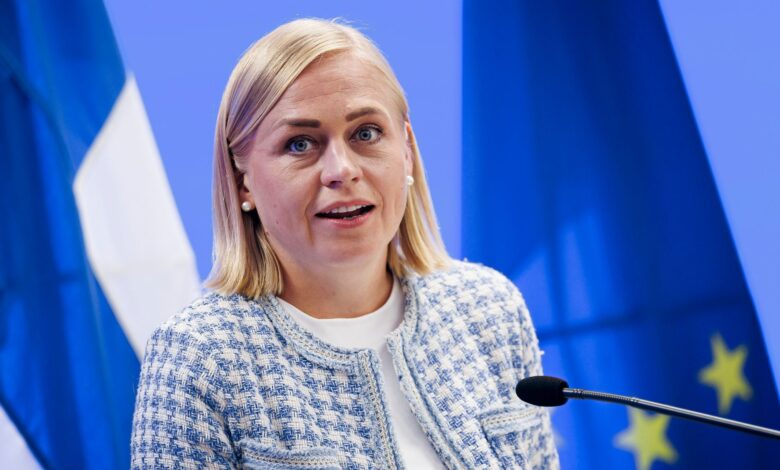
“We now face unprecedented drone disruptions and sabotage on our soil,” said Kaja Kallas, the EU’s foreign policy chief, in a statement accompanying recent visa tightening measures. The European Commission has already moved to restrict multiple-entry visas for Russian nationals, requiring them to apply for a new visa for each trip to allow for “close and frequent scrutiny.” However, Valtonen’s letter goes further, demanding a binding visa ban as a sanctions measure against Putin’s inner circle and any entities sanctioned by the EU. She also calls for the refusal of visas to Russian athletes with close ties to the government, a sensitive issue following the reentry of Russian sports teams into international events. Glenn Micallef, the EU’s Sports Commissioner, is attending the foreign ministers’ meeting for the first time to discuss potential actions in this regard.
Finland’s proposal also includes a renewed call to ban Russian ex-combatants from entering the EU. This measure was included in the EU’s 21st sanctions package in July but was watered down due to disagreements over enforcement mechanisms. Margus Tsahkna, the Estonian Foreign Minister, echoed these concerns, warning of the risks posed by ex-combatants, many of whom are supported by Russian secret services. Finally, Valtonen requested that the European Commission submit a robust amendment to the visa code. Such an amendment would enable the EU to impose binding visa restrictions swiftly and consistently whenever political or security relations with a third country deteriorate severely.
The initiative is part of a broader coalition effort. Sweden, alongside the Czech Republic, Denmark, Estonia, Finland, Latvia, Lithuania, and the Netherlands, as well as non-EU Schengen members Iceland and Norway, has previously pressed the Commission for tougher rules. In a letter seen by observers, these nations described it as “deeply troubling” to see Russian tourists enjoying leisure travel while missiles and drones strike civilian infrastructure in Ukraine. They argued that the current system remains uneven, with some countries applying restrictive interpretations while others continue to issue large numbers of tourist visas.
However, the path to a uniform ban is obstructed by internal EU divisions. France, Spain, and Italy have notably opposed attempts to ban Russian tourist visas, citing concerns over legal consistency and the distinction between the Russian state and its citizens. The European Commission faces the challenge of balancing security imperatives with legal requirements that visa decisions involve individual assessment, protecting access for dissidents, journalists, and family members. While a new visa law is expected to be proposed in January with a tougher approach toward countries that threaten the EU, no immediate legislative changes are anticipated before the summer season. The dispute highlights how the conflict in Ukraine has reshaped the Schengen area, turning the free movement of people into a contested tool of geopolitical leverage.