
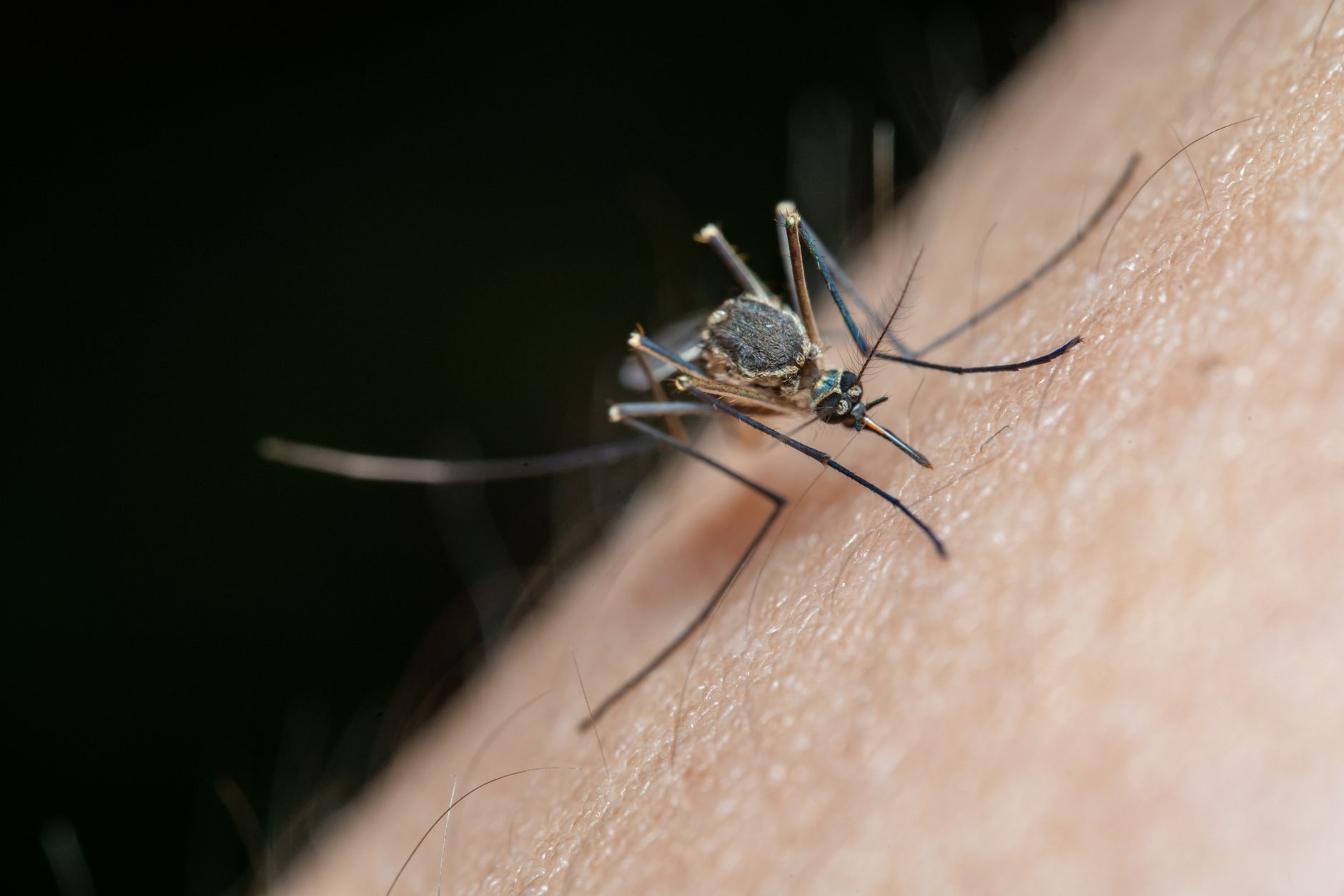
The virus, known medically as Chikungunya virus disease (CHIKVD), is transmitted to humans through the bite of an infected mosquito. It is not contagious through direct human-to-human contact. For local transmission to occur—an event that defines “locally acquired” cases—an uninfected mosquito typically feeds on a person who has the virus circulating in their blood, often a traveler returning from an endemic area. The virus then replicates within the mosquito, which can subsequently transmit it to a new human host upon biting.
Active cluster in Gironde
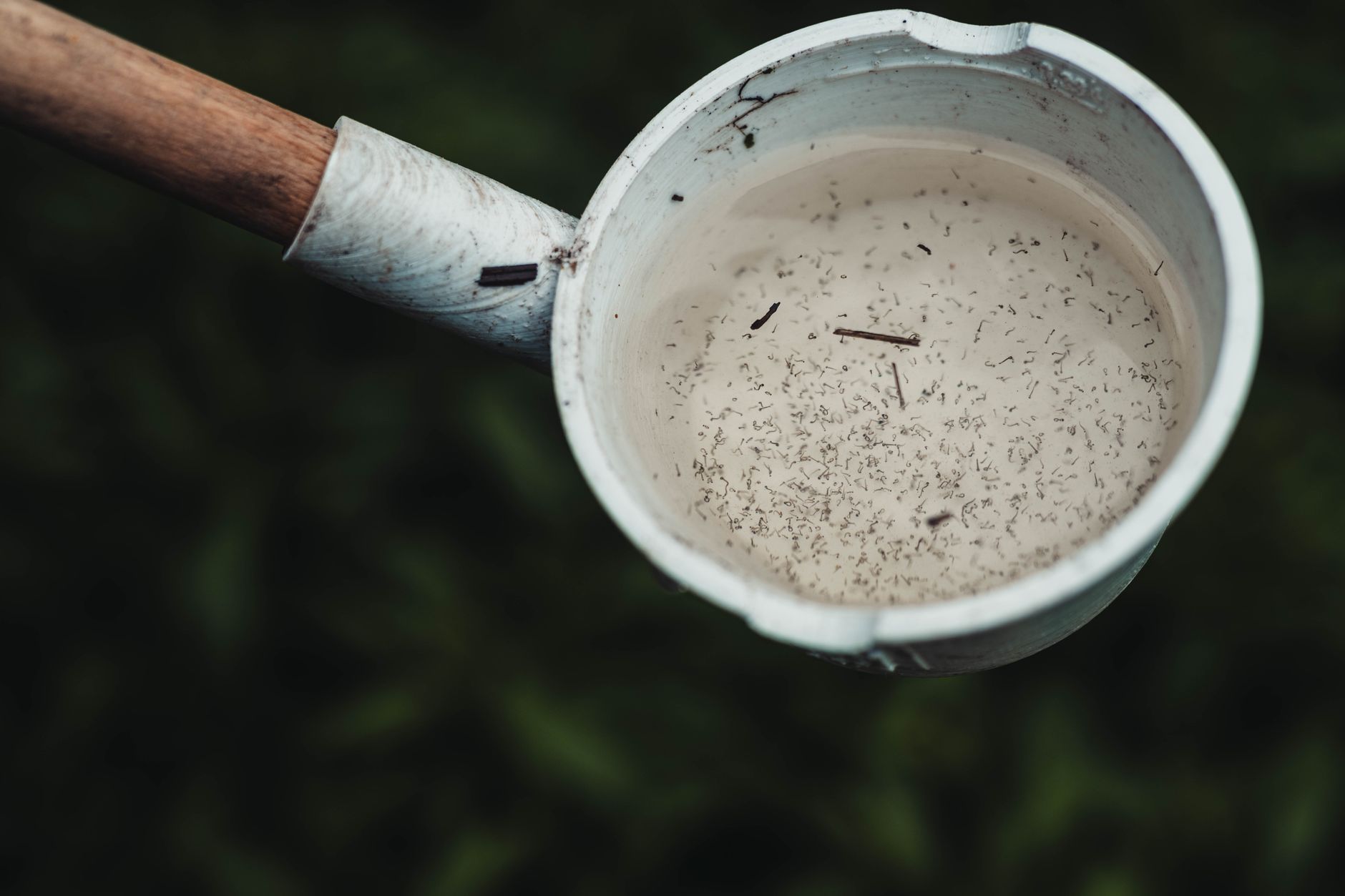
The most significant recent activity has been centered in the Gironde department. As of 19 August, 16 of the 25 locally acquired cases were identified in the town of Prignac-et-Marcamps, where the cluster is currently classified as “active.” The most recent case in this cluster was recorded on 12 August. In response, local authorities in Prignac-et-Marcamps have deployed specialized mosquito control teams to treat potential breeding sites, particularly stagnant water pools. To further reduce the risk of transmission, the mayor has temporarily banned outdoor sports activities in the affected area.
Preventive measures have also been implemented in other regions, including the Paris, Toulouse, Gironde, and Tarn areas. These operations include the spraying of insecticide mist in targeted zones to reduce mosquito populations. France remains the only country in the European Union to report locally acquired cases of Chikungunya this year. While the current total of 25 cases is low compared to the 809 locally acquired cases recorded in mainland France throughout 2025, the seasonal increase has triggered heightened vigilance from health authorities.
Global context and travel advice
While local transmission is limited to France within Europe, larger outbreaks continue to affect other parts of the world. Chikungunya is prevalent across tropical and sub-tropical regions in the Americas, Africa, and Asia. Brazil has reported the highest number of cases in 2025 and continues to see significant activity into 2026. Given the global presence of the virus, health experts are emphasizing the importance of preventive measures for travelers.
The primary method of prevention is the avoidance of mosquito bites. Travelers to endemic areas are advised to use insect repellents, wear long-sleeved clothing, and use bed nets where appropriate. Health authorities stress that there is no specific antiviral treatment for Chikungunya; management is supportive, focusing on relieving pain and fever. The severity of symptoms can vary, but the characteristic joint pain can persist for weeks or even months in some patients.
The distinction between imported and locally acquired cases is critical for public health monitoring. Imported cases are identified in travelers who contracted the virus abroad, while locally acquired cases indicate that the virus has established a foothold in the local mosquito population. The current situation in France highlights the vulnerability of temperate regions to mosquito-borne diseases, particularly as climate patterns may expand the range of the Aedes mosquitoes that transmit the virus.
Public health officials continue to monitor the situation closely. The deployment of mosquito control teams and the temporary ban on outdoor sports in affected towns are precautionary measures designed to interrupt the transmission cycle. Travelers are encouraged to check health advisories before traveling to areas with active Chikungunya transmission and to consult with medical professionals regarding preventive measures. The focus remains on reducing human exposure to infected mosquitoes to prevent further local spread.
As the summer season progresses, the situation in Gironde and other French regions will remain under surveillance. Health authorities will continue to update the public on case counts and control measures. The relatively low number of cases compared to previous years is a positive indicator, but the active nature of the cluster in Prignac-et-Marcamps underscores the need for sustained vigilance and community cooperation in controlling mosquito populations.