The attacks represent a significant escalation in the campaign by Iran-backed Houthi forces, who have targeted Saudi oil facilities, tankers, and now the kingdom’s primary international air hub. Located approximately 22 miles north of the capital, King Khalid International Airport is a critical node for the region’s connectivity. The decision to strike this high-profile symbol of Saudi international integration underscores the strategic calculus of the Houthi military, which views Saudi Arabia as a primary adversary due to its support for the United Nations-backed Yemeni government and its participation in an active counteroffensive in Yemen.
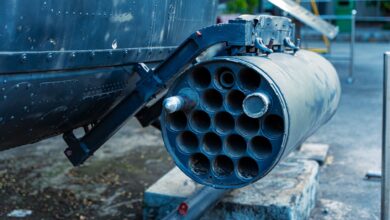
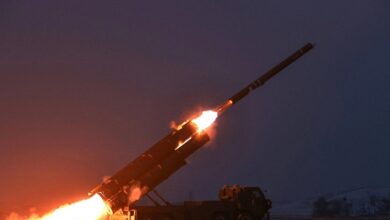
The military context is defined by a recent shift in the Yemeni civil war. After seizing control of key territory near the Bab el-Mandeb Strait last month—a chokepoint critical for global oil and gas exports—the Houthis faced a coordinated ground offensive from Saudi-led coalition forces and the internationally recognized Yemeni government. The strikes on Riyadh appear to be a retaliatory measure and a strategic signal of leverage, aiming to demonstrate that the conflict cannot be contained within Yemen’s borders. Houthi Brig. Gen. Yahya Saree warned that all Saudi airports, excluding those in the holy cities of Mecca and Medina, remain potential targets, citing a mix of ballistic missiles, cruise missiles, and drones used in the past 24 hours.
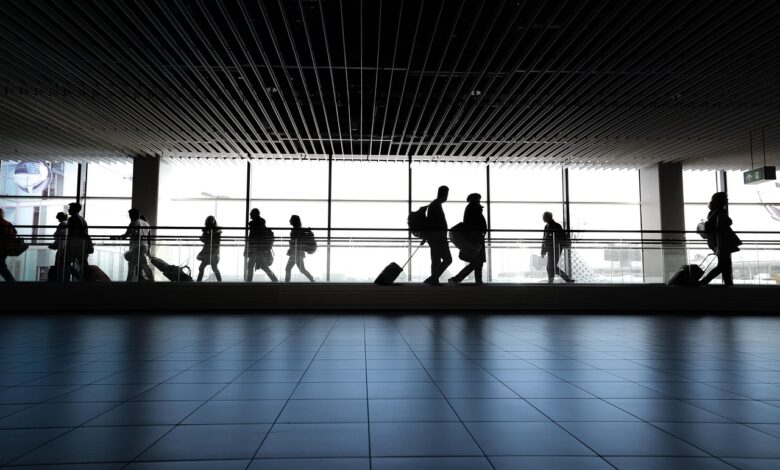
The operational disruption has been immediate and severe. Saudi authorities extended the closure of the airport through Saturday to ensure safety, resulting in the cancellation of approximately 260 flights and the delay of another 219. The ripple effects extended across the globe, with airlines from Europe and Asia suspending services to the region. Kuwait’s national carrier, along with other regional carriers, scrapped flights, while businesses in Riyadh’s financial hub shifted to remote work and schools moved to online classes. The U.S. and U.K. issued travel warnings, with the Foreign Office advising against travel to areas within 10 kilometers of the Yemeni border.
Diplomatic reactions have been swift and condemnatory. U.S. President Donald Trump described the events as “not acceptable” and indicated the U.S. would “move very quickly” on a decision regarding potential strikes against the Houthis, while also considering joining the Saudi-led coalition. U.S. Secretary of State Marco Rubio confirmed the death of a U.S. citizen in the Saturday strike, a fact corroborated by the Saudi civil aviation authority, which listed the victims as including four Saudi nationals, two from Bangladesh, and one each from the U.S., Jordan, Palestine, Syria, Sudan, and Egypt. The Saudi-led coalition labeled the attacks a “war crime,” vowing a response. Meanwhile, the Indian embassy confirmed that an Indian national succumbed to injuries sustained in the initial blast, bringing the total death toll from the weekend’s strikes to 13.
The defense implications extend beyond immediate retaliation. The ability of the Houthis to penetrate Saudi air defenses and strike deep inside the kingdom highlights the limitations of current interception systems against increasingly sophisticated ballistic and cruise missile threats. For Tehran, the Houthi campaign serves as a proxy instrument to project power and exert leverage over global energy supplies, countering recent Western pressure. As the Saudi-led coalition continues its push to retake the Bab el-Mandeb area, the threat of further “escalating operations” inside Saudi Arabia remains a central concern for regional stability, with the next phase of the conflict likely to hinge on the outcome of the ground offensive in Yemen and the extent of international military support for Riyadh.