The impact on residents has been immediate and severe. Between May 25 and 26, reports of power cuts and unstable electricity supply emerged from several Hanoi wards, including Thanh Xuan, Cau Giay, Long Bien, Hoang Mai, and Tu Liem, as well as suburban districts. For many families, the outages occurred during the hottest parts of the day and night, when reliance on air conditioning and cooling fans is critical for safety and comfort.
In an alley off Chinh Kinh Street in Thanh Xuan Ward, resident Minh Thu experienced her third consecutive night of power loss. Outages began at 8:30 p.m. on May 26, just as families were preparing dinner. Although power returned at 9:15 p.m., it failed again approximately one hour later. Facing the prospect of another sleepless night in stifling heat, Thu decided to book a hotel room. “Staying home was no longer possible,” she said. “Opening the windows only let in 39-degree heat, but keeping them closed made the house feel airless. I couldn’t bear that stifling heat all night.”
“Staying home was no longer possible… I couldn’t bear that stifling heat all night.” — Minh Thu, Hanoi resident
Photo by Chuot Anhls on Pexels
The previous night, power had been cut four or five times between 5 p.m. and 4 a.m. in her neighborhood. Thu and her sister reportedly took turns fanning themselves with pieces of cardboard to endure the night. Despite purchasing a rechargeable fan and a battery-powered mist sprayer, neither device had sufficient time to charge before subsequent outages occurred.
Similar challenges were faced on Me Tri Ha Street in Me Tri Ward. Ngoc Ha, 35, used a rechargeable fan to cool her two-year-old daughter after her area experienced three or four outages on the night of May 25. Each outage lasted approximately 30 minutes. After a day of intense heat, the walls of her home continued to radiate warmth, making it difficult to maintain a safe temperature for a young child. Ha and her husband initially considered going to a hotel but decided against it due to the late hour. They adopted a strategy of keeping their air conditioner and fans switched on so that the room would cool quickly whenever power was restored.
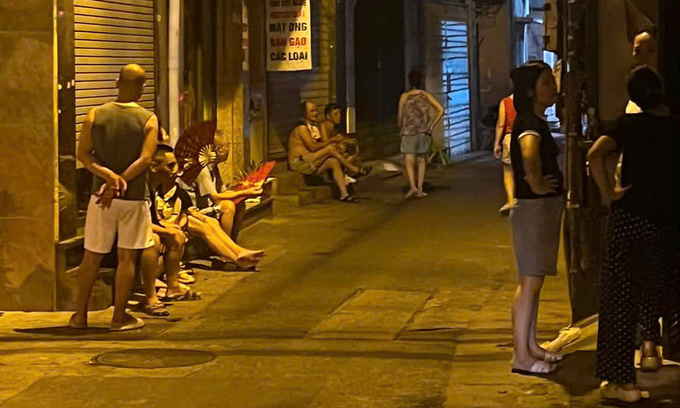
When another blackout hit the following evening, Ha took her child to a relative’s apartment eight kilometers away. “Young children simply can’t cope with this kind of heat,” she said. “Leaving was the best choice.” Residents in an alley off Minh Khai Street were also seen gathering outside their homes after a blackout at 10 p.m. on May 26, highlighting the social disruption caused by the grid failures.
Photo by Athena Sandrini on Pexels
The authority’s call for reduced consumption is a direct response to the mismatch between peak demand and available supply capacity during extreme weather events. While specific data on generation capacity versus demand is not detailed in the immediate reports, the frequency and duration of the outages suggest that the grid is operating at or beyond its reliable limits under these specific thermal conditions. The reliance on temporary cooling solutions, such as hotel stays and battery-powered devices, underscores the acute nature of the disruption for urban populations.
The situation highlights the vulnerability of Vietnam’s energy infrastructure to climate-driven demand spikes. As temperatures remain elevated, the pressure on the power system is expected to persist, making the conservation measures urged by officials a critical component of maintaining grid stability in the coming days. The focus remains on reducing peak load to prevent further cascading failures in the capital’s electrical network.
Chris Murphy covers energy markets and policy, including oil and gas, electricity, renewables, nuclear energy, supply developments, and energy prices. He follows government policy, market movements, production changes, and major industry announcements. Chris focuses on explaining how changes in energy supply and policy can influence businesses, consumers, and broader economic conditions.