
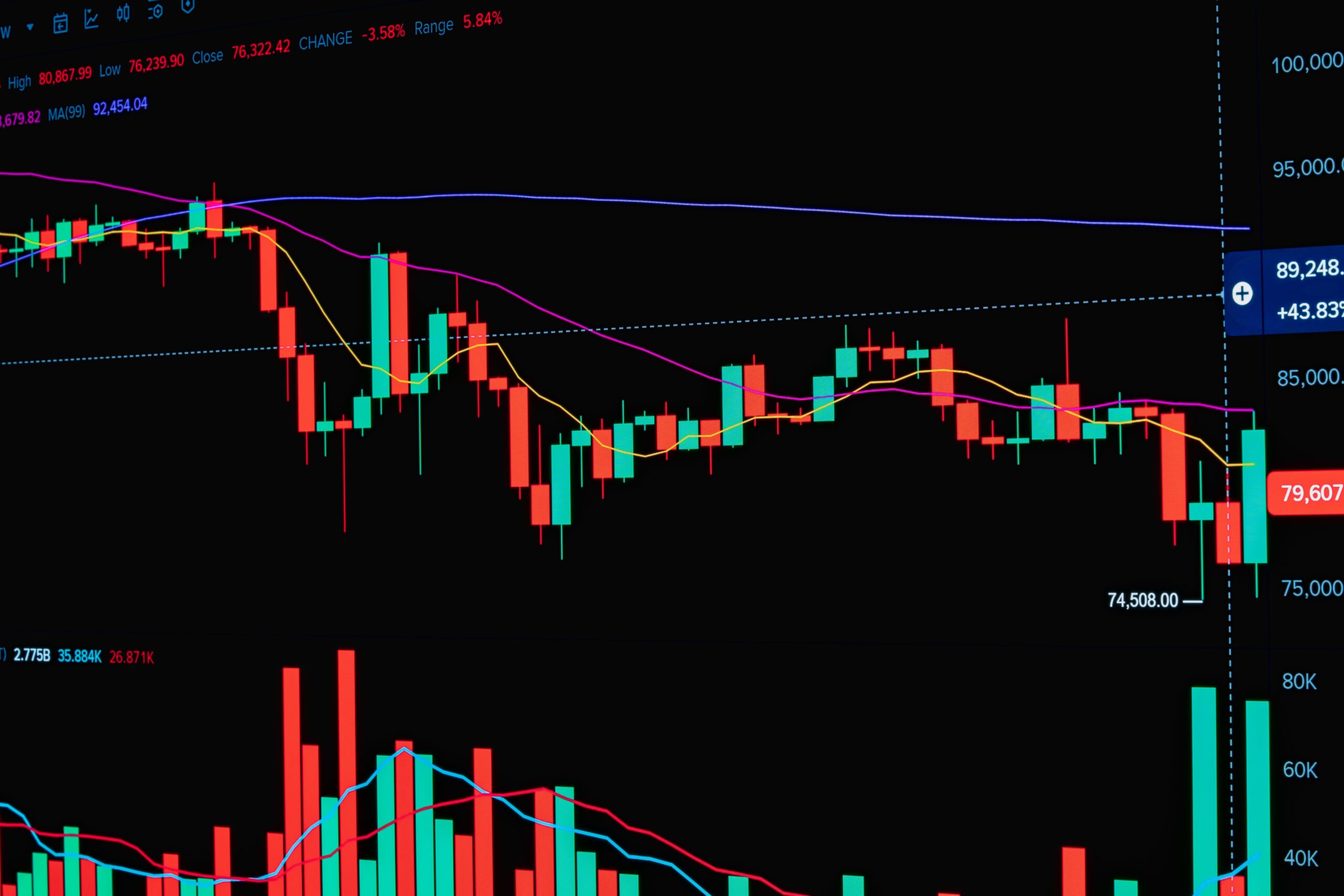
Central to this assessment is the identification of three primary threats to global stability: a potential crash in the artificial intelligence sector, ongoing geopolitical conflicts, and the burden of high debt levels. The IMF’s analysis highlights how the rapid expansion of AI markets, if corrected sharply, could have rippling effects across global trade and investment. These risks are not abstract; they intersect with the tangible realities of trade flows and domestic consumption, where households and businesses are adjusting to a new normal of higher interest rates and slower wage growth in many regions.
Among advanced economies, the outlook shows a clear divergence. The United States is expected to maintain steady growth at 2.3% in 2026, a figure unchanged from previous estimates, while the Euro area sees a modest improvement to 1.1%. Germany, a key engine of European manufacturing, is forecast to see a significant jump in growth to 1.3%, up 0.6 percentage points from the July outlook. Conversely, France’s growth outlook has been revised downward to 0.4%, reflecting persistent structural headwinds in the region. Japan and Britain are projected to grow at 0.7% and 1.3% respectively, indicating a broader, albeit uneven, recovery across major industrialized nations.
In the emerging and developing world, the trajectory is more mixed. Overall growth for these economies is projected to ease slightly to 3.7% in 2026, down 0.1 percentage points from the earlier forecast. This adjustment is partly influenced by the specific circumstances of major economies within the group. In South Africa, the IMF has slightly lowered its growth forecast for the year, citing domestic and external pressures that continue to constrain the economy’s potential. This marks a contrast with the broader trend in the region, where other nations are showing signs of renewed momentum.
Building the foundations for an AI-ready economy can contribute to turning Africa’s growth into more jobs and better opportunities for the region’s rapidly growing labor force.
Sub-Saharan Africa stands out as a notable exception to the global softening trend. According to the World Bank’s Africa Economic Update, the region’s economy is projected to expand from 4.1% in 2025 to 4.3% in 2026. This 0.3 percentage point increase from the April 2026 forecast underscores the region’s resilience in the face of geopolitical tensions, climate shocks, and declining development assistance. The report emphasizes that while fiscal pressures remain a challenge, the momentum in the region is being driven by a combination of domestic policy adjustments and a gradual recovery in commodity markets.
The divergence between the global average and the African growth rate highlights the uneven recovery from the economic disruptions of the past few years. While advanced economies are navigating the transition from high inflation to a more stable monetary environment, many emerging markets are dealing with the lingering effects of external debt and supply chain reconfigurations. The IMF’s warning about AI-related risks is particularly pertinent for markets heavily reliant on technology sector performance, where a correction could lead to reduced investment and employment opportunities in the short term.
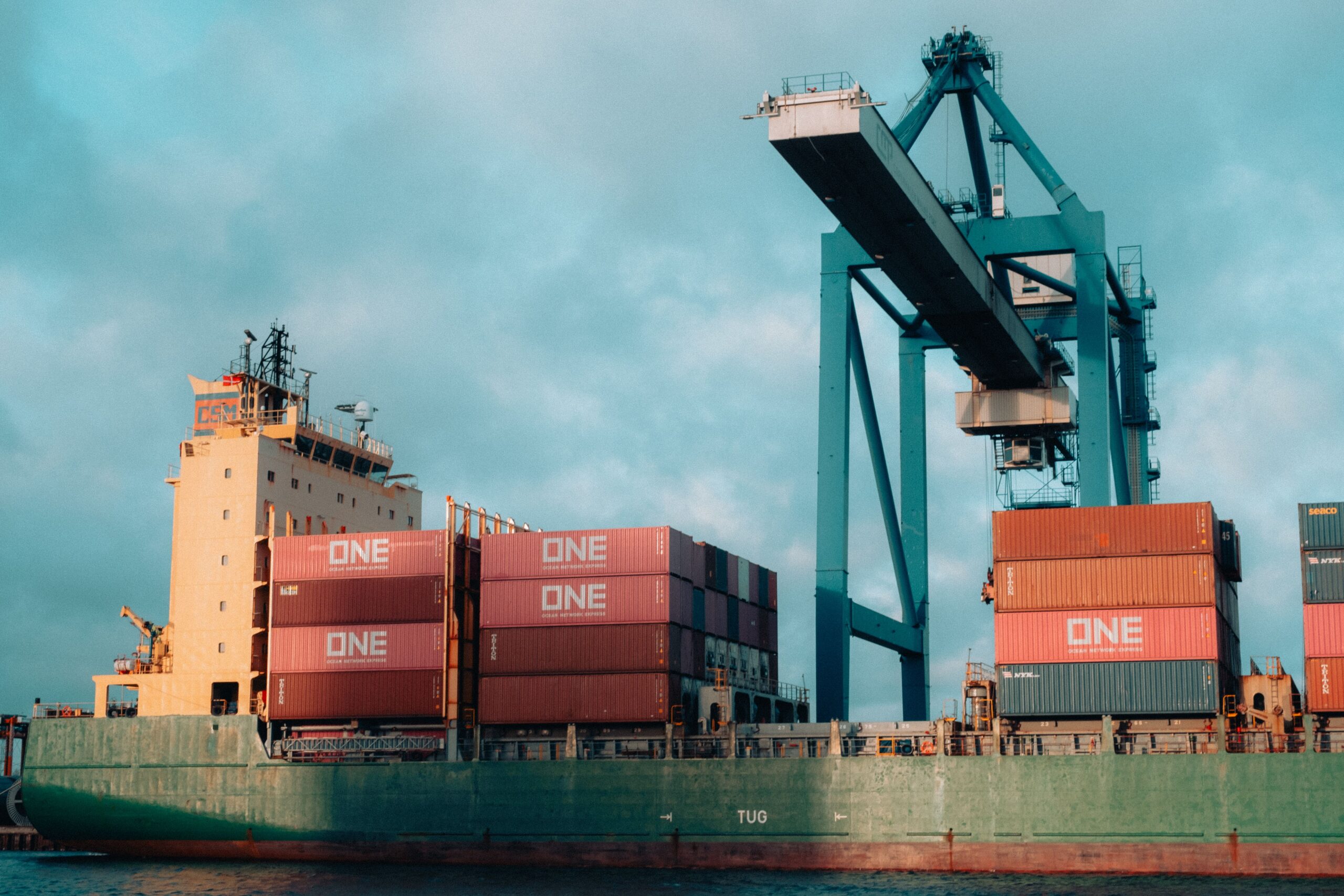
For households and businesses, these macroeconomic shifts translate into varied experiences. In countries with improving growth forecasts, such as Germany and parts of Sub-Saharan Africa, consumers may see a gradual increase in purchasing power and business confidence. However, in regions where growth has been revised down, such as France and South Africa, the focus remains on managing fiscal constraints and protecting social services. The global trade environment continues to be shaped by these national-level adjustments, with businesses recalibrating supply chains and investment strategies to mitigate the risks of geopolitical instability and market volatility.
As the world moves into 2026, the focus will remain on whether the projected growth materializes without triggering new financial crises. The interplay between technological innovation, geopolitical stability, and fiscal discipline will determine if the current stabilization holds. For investors and policymakers, the key question is whether the resilience seen in regions like Sub-Saharan Africa can be sustained, and whether the advanced economies can manage the transition from an AI-fueled boom to a more sustainable growth model without significant dislocation.