The shortage affects both subsidized and premium fuel grades. At a station on Jalan Raya Sesetan in Denpasar, motorists who had already waited in line were informed that Pertalite stocks had been exhausted. In the Kuta area, similar patterns emerged along the Ngurah Rai Bypass, where uneven availability forced drivers to switch fuel types or continue searching. Some motorists reported waiting more than 30 minutes to refuel, with one motorcyclist noting that she had passed several crowded stations before joining a queue that ultimately yielded no fuel. These local distribution issues occur against a backdrop of broader regional energy volatility that is significantly impacting the aviation sector.
Aviation Costs and Economic Ripple Effects
While ground-level fuel availability struggles, the aviation sector faces a more structural cost crisis driven by global geopolitical tensions and conflicts in the Middle East. IB Sidharta Putra, Chairman of the Indonesian Hotel and Restaurant Association (PHRI), noted that the potential for an energy crisis is already triggering spikes in fuel prices, including aviation fuel. “If energy supplies are disrupted, oil prices will automatically rise,” Putra stated. “The impact will not only affect aviation fuel, but also all sectors.”
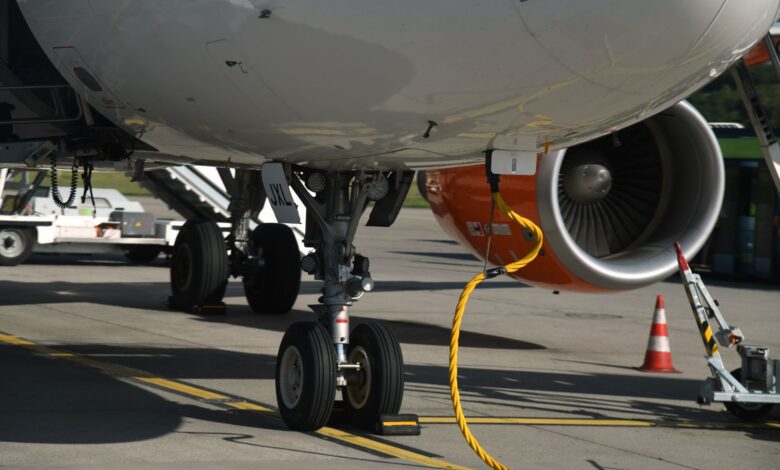
The cost implications for air travel have been severe. Domestic airfares from Bali to Jakarta, which previously averaged around 1.5 million Indonesian Rupiah (IDR), have jumped to 4.5 million IDR, reaching 5 million IDR in some cases. This threefold increase affects both domestic tourism and business travel, reducing the viability of domestic tourists as a buffer for the sector. International travel is similarly affected, with major carriers such as KLM Royal Dutch Airlines having canceled hundreds of flights to Indonesia as of May 2026, raising concerns that other major airlines may follow suit.
“Tourism is highly dependent on air transportation. Hotels in Bali rely on airlines that carry tourists. If tickets are expensive, people will reconsider traveling.”
With more than 60% of Bali’s GDP derived from tourism, the intersection of local fuel distribution failures and global jet fuel costs presents a compounded risk. The island is set to welcome more than 7.5 million international tourists in 2026, alongside millions of domestic visitors. However, the current trajectory of rising travel costs threatens to suppress demand. The Indonesian government has implemented Work From Home/Anywhere orders for public and private sectors where possible, a measure that may further reduce non-essential travel demand in an already strained economic environment.
Industry leaders emphasize that a pivot toward domestic tourism is not a viable strategic option under these conditions, as domestic fares are equally susceptible to fluctuating fuel prices. Putra warned that if these conditions persist, the region could enter a tourism crisis phase, with the energy sector’s instability serving as the primary catalyst. The immediate concern for local businesses is not just the current fuel queues, but the sustained impact of high energy costs on consumer behavior and international accessibility.
The situation highlights the vulnerability of island economies to both local logistical bottlenecks and global energy market shocks. As distribution networks struggle to maintain adequate stock levels in key urban centers, the broader economic footprint of energy disruptions becomes increasingly apparent, linking the availability of gasoline at local pumps to the viability of international air routes.