
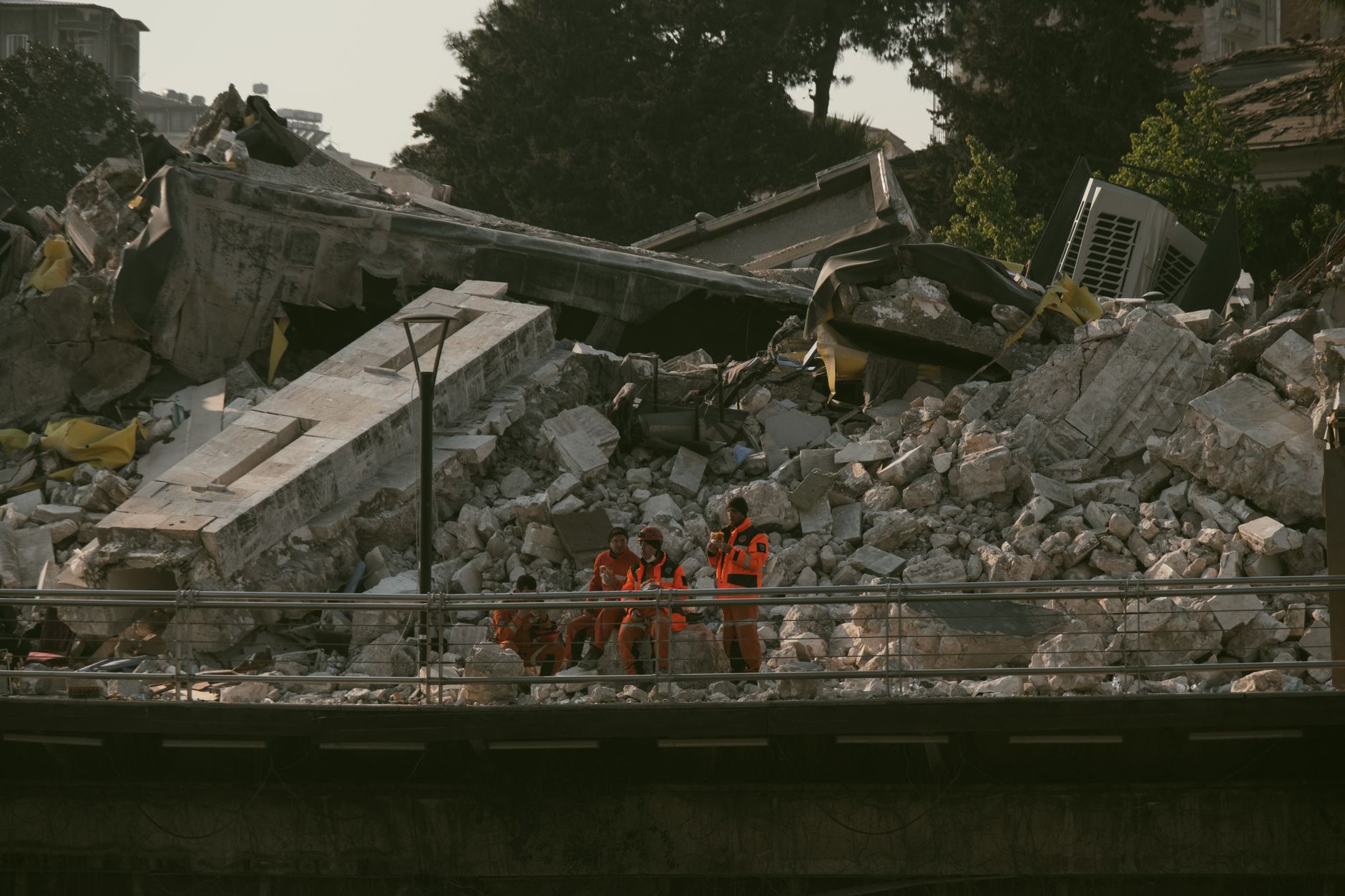
The human toll was immediate and severe. In Izmir, 12 people were killed, including one who drowned, while 419 were injured. On the Greek island of Samos, two teenagers died after being struck by a collapsing wall, and at least 19 others were injured. Greek Prime Minister Kyriakos Mitsotakis expressed condolences, noting that words were “too poor to describe what one feels before the loss of children.” In Turkey, Governor Yavuz Selim Kosger reported that at least 70 people were rescued from wrecked buildings. The response was massive, with 38 ambulances, two helicopter ambulances, and 35 medical rescue teams deployed in Izmir alone. The Turkish Red Crescent, along with teams from Istanbul and other cities, worked around the clock. However, the situation deteriorated as time passed. By the third day, search-and-rescue teams in Izmir were finding more bodies than survivors. Work was paused at one site when authorities determined a neighboring damaged structure was at risk of falling, forcing rescuers and onlookers to retreat.
Amid the rubble, stories of survival emerged. Ahmet Citim, a 70-year-old man, was extracted from a collapsed building approximately 34 hours after the initial shock. He was reported to be doing well at a hospital, having told the health minister, “I never lost hope.” Yet, this was an exception in a landscape of loss. Seismologist Akis Tselentis of the University of the Aegean warned that due to the shallow depth of the epicenter, potentially powerful aftershocks could be expected for several weeks, requiring residents to avoid damaged structures that could collapse further.
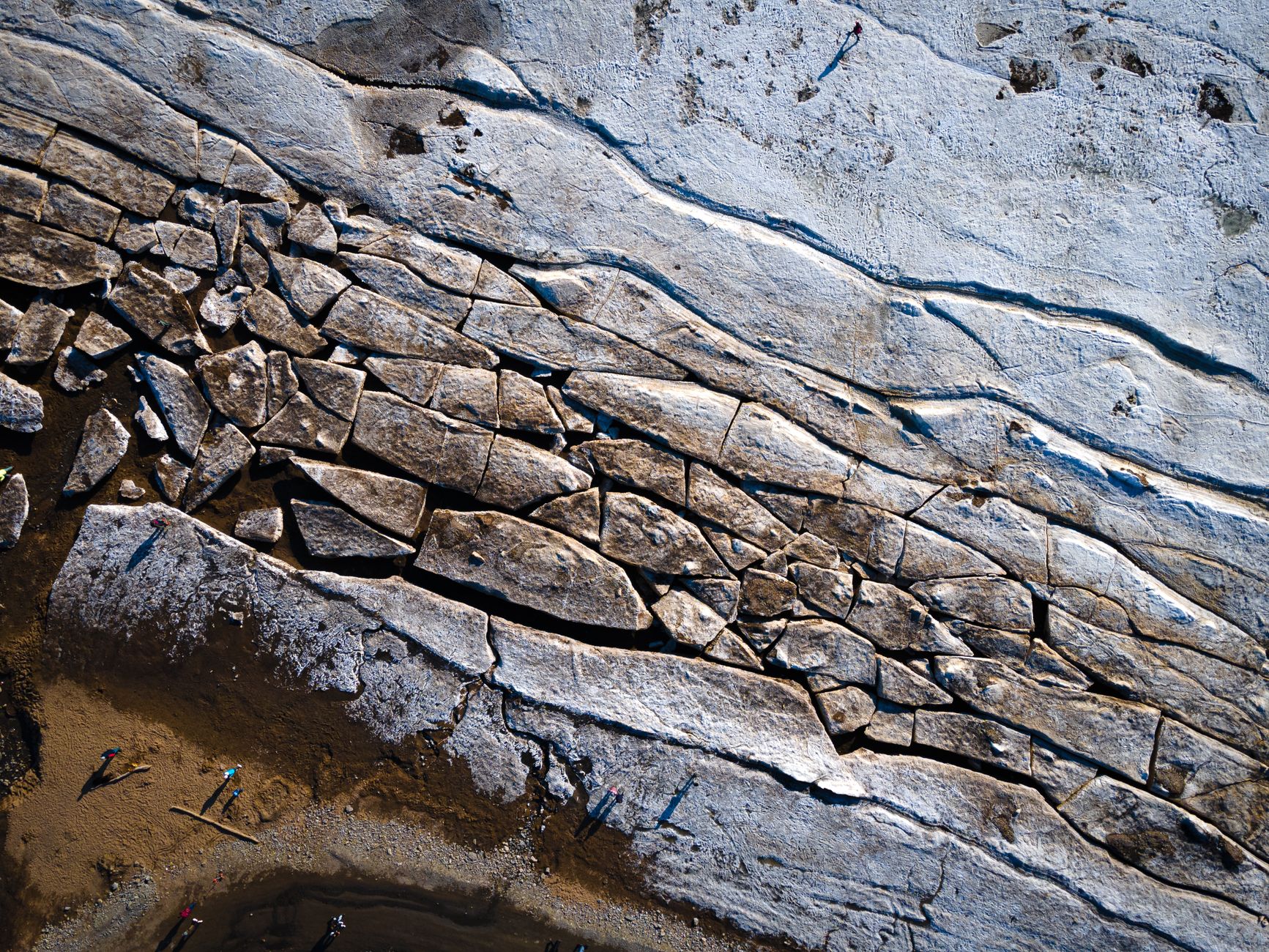
The seismic instability of the region did not end with the 7.0-magnitude event. The Aegean region, situated on multiple active fault lines, continued to tremor. Late Monday, a 6.1-magnitude earthquake struck western Turkey, centered near the hillside town of Sındırgı in the Aegean province. According to AFAD, the quake occurred at 10:48 p.m. local time and was felt in major cities including İstanbul and İzmir. In Sındırgı, at least one house collapsed and several others were damaged. Interior Minister Ali Yerlikaya confirmed that emergency teams were deployed immediately, though there were no immediate reports of casualties from this specific tremor. This event followed a similar 6.1-magnitude quake in August in the same area, which had killed one person and injured several others.
Just days later, on Monday morning, a 5.1-magnitude earthquake struck the Buldan district of Denizli in southwestern Turkey. Originating at a depth of 7 kilometers, the tremor was felt across several provinces, including Izmir, Mugla, and Isparta, according to social media reports and official data. Denizli Governor Yavuz Selim Kosger stated that multiple public institutions were deployed immediately to assess the situation, with no negative incidents detected at the time of his announcement. These recurring events highlight the persistent risk facing the region. In February 2023, two quakes in southern Turkey killed more than 53,000 people, destroying much of the ancient city of Antakya. A 5.8-magnitude tremor in July of the same year killed one person and injured 69 in the same region.
The scientific consensus is clear: Turkey sits on multiple active fault lines, making it prone to significant seismic activity. The variation in magnitude reports from different agencies—USGS, Kandilli, and AFAD—reflects the complexity of measuring such events in real-time, but the impact is consistent. The 7.0-magnitude quake demonstrated the vulnerability of urban infrastructure in Izmir, while the subsequent 6.1 and 5.1-magnitude events serve as reminders that the ground remains unstable. For residents in the Aegean region, the danger is not a single event but a continuous state of alertness. As search-and-rescue efforts in Izmir shifted from hope to recovery, the focus turned to the long-term risks of aftershocks and the structural integrity of buildings that have already been stressed by the earth’s movements.
The immediate threat of the 7.0-magnitude earthquake has given way to the slower, more exhausting work of recovery and assessment. In Izmir, the 70-year-old survivor, Ahmet Citim, is recovering, a testament to the resilience of those caught in the path of the disaster. However, the recent 6.1 and 5.1-magnitude tremors in western Turkey indicate that the tectonic forces at play are not subsiding. For communities in Izmir, Sındırgı, and Denizli, the next verified development will be the outcome of continued structural assessments and the potential for further aftershocks, governed by the same active fault lines that have shaped the region’s history and continue to define its present.
