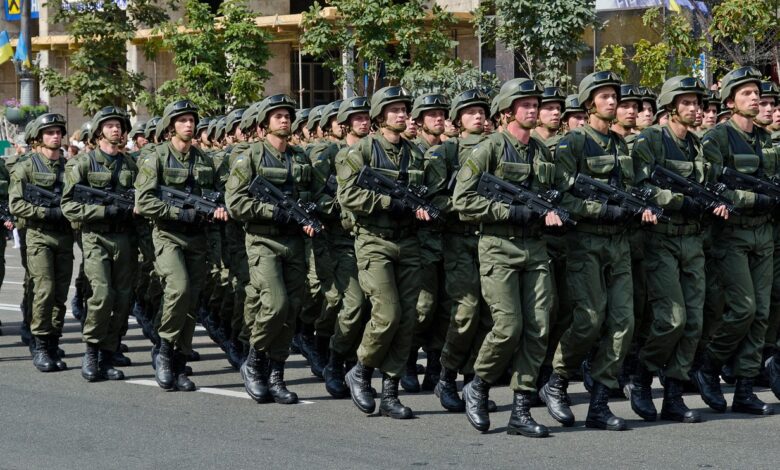
The central development here is the dual-track nature of the current situation: a kinetic military operation on the ground in Donetsk and a high-level diplomatic decision in Washington. According to available reports, Ukraine’s military forces executed “Operation Vivaldi,” resulting in the reclamation of ground previously held by Russian forces. While the specific tactical details, unit compositions, and exact square-kilometer gains of this operation are not fully detailed in the immediate source material, the confirmation of territorial recovery signifies a shift in the local balance of power. In the context of the broader war, such advances are critical for maintaining strategic initiative and disrupting enemy defensive lines, even if the overall war remains a protracted standoff.
Simultaneously, the diplomatic landscape underwent a pronounced change. Reports indicate that US President Donald Trump took a stance favoring Russia in a dispute or negotiation concerning a diesel fuel deal. This development is significant because it suggests a potential realignment or at least a complex maneuver in Western support structures for Ukraine. Diesel fuel is a critical logistical commodity for modern armies, powering everything from main battle tanks and infantry fighting vehicles to logistics trucks and generators. A diplomatic side-taking by the US President in a matter involving Russian energy or fuel interests could have ripple effects on the geopolitical support framework that Ukraine relies upon. It introduces a variable of uncertainty into the strategic calculus, where military gains on the ground may be tempered or complicated by shifts in high-level political alliances.
The strategic significance of these concurrent events lies in their interplay. Military operations like “Operation Vivaldi” depend heavily on sustainment, including fuel, ammunition, and equipment. Any diplomatic move that potentially strengthens Russia’s position or complicates Western unity can impact the logistical pipeline supporting Ukrainian forces. Conversely, demonstrating military capability and territorial gains on the ground serves as a form of deterrence and a signal of resolve to both adversaries and allies. The fact that Ukraine was able to advance while a major diplomatic power appeared to side with Russia on a specific economic issue suggests a degree of operational independence or prior logistical planning by Kyiv.
However, it is crucial to distinguish between verified facts and broader implications. The verified fact is the territorial recovery in Donetsk under the name “Operation Vivaldi” and the reported diplomatic stance by President Trump regarding the diesel deal. What remains uncertain is the direct causal link between the two, if any, and the long-term strategic impact of the diesel deal on the war effort. The immediate military objective of “Operation Vivaldi” appears to be the disruption of Russian positions and the reclamation of sovereignty over occupied land. The capabilities utilized are presumably standard Ukrainian infantry, armored, and artillery assets, though specific system losses or technical details of the engagement are not provided in the source material.
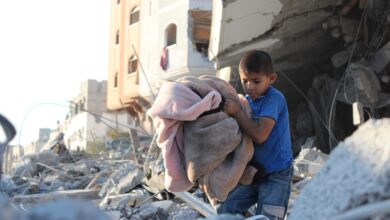
The constraints facing all parties in this region are multifaceted. Logistically, the terrain of Donetsk is heavily fortified, making advances costly and slow. Geographically, the front line remains extensive, requiring dispersed resources. Politically, the involvement of the United States in such a manner introduces a layer of complexity to the transatlantic security architecture. For deterrence and regional security, these events highlight the volatility of the current environment, where military and diplomatic fronts are advancing simultaneously. The human consequence is the continued displacement and risk to civilians in the Donetsk region, a persistent reality of the conflict that underscores the stakes of both military and diplomatic decisions.
As the situation evolves, the focus remains on the durability of the gains made during “Operation Vivaldi.” The next confirmed development will likely hinge on whether these territorial holds can be sustained against potential counter-attacks and how the diplomatic fallout from the US-Russia diesel deal manifests in subsequent policy decisions. The interplay between the battlefield in Donetsk and the diplomatic corridors of power remains the defining feature of this phase of the conflict. The reclamation of territory is a tangible milestone, but its strategic weight will be determined by the stability of the political environment in which it occurs.