The declaration of martial law, announced via late-night television address, triggered an immediate and decisive response from South Korea’s institutions and citizens. Within hours, approximately 190 lawmakers rushed to the National Assembly in central Seoul to vote against the decree. Despite facing armed soldiers and police barricades, the legislature successfully nullified Yoon’s order. President Yoon lifted the martial law decree early the following day, ending the emergency rule less than six hours after it began.
The political fallout was swift. Following the failed imposition of military rule, Yoon faced months of protests and a formal impeachment process. A vote to impeach him initially failed after members of his governing People Power Party left parliament en masse, but the legal proceedings continued, leading to a string of indictments and ultimately the guilty verdict on insurrection charges.
Experts view the outcome as a significant moment for global democracy. Gi-Wook Shin, director of the Korea program at Stanford University, stated that the case offers “a rare example of democratic resilience” at a time when the United Nations has warned of rising authoritarianism. The rapid accountability of the sitting president distinguishes this event from historical precedents in the region.
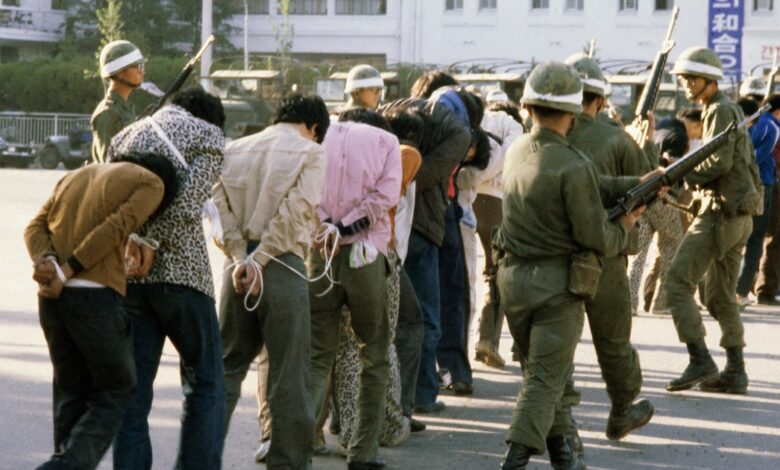
South Korea’s reaction was shaped by its history of military authoritarian rule. The country spent decades under regimes that frequently declared martial law to suppress dissent. The most recent such declaration occurred in 1980 under General Chun Doo-hwan, which led to the Gwangju uprising and a military crackdown in which hundreds were killed. The trauma of that era, along with earlier periods of rule under Syngman Rhee and Park Chung-hee, weighed heavily on the public during the December 2024 crisis.
During the initial hours of the martial law declaration, tensions were high as troops were deployed to the National Assembly. Eun A Jo, a postdoctoral fellow at Dartmouth College, noted that the deployed units were trained for tasks regarding North Korea, leading to initial confusion among some soldiers about the domestic nature of the orders. However, no bloodshed occurred. The military did not engage with the lawmakers who barricaded the assembly doors, allowing the legislative counter-measure to succeed without violence.
The incident has left a widening fracture in South Korean politics. While the legal system has delivered its verdict, the social and political divisions sparked by the event remain. The case stands as a test of the country’s democratic institutions, with the final sentencing marking the culmination of the legal response to the attempted insurrection.