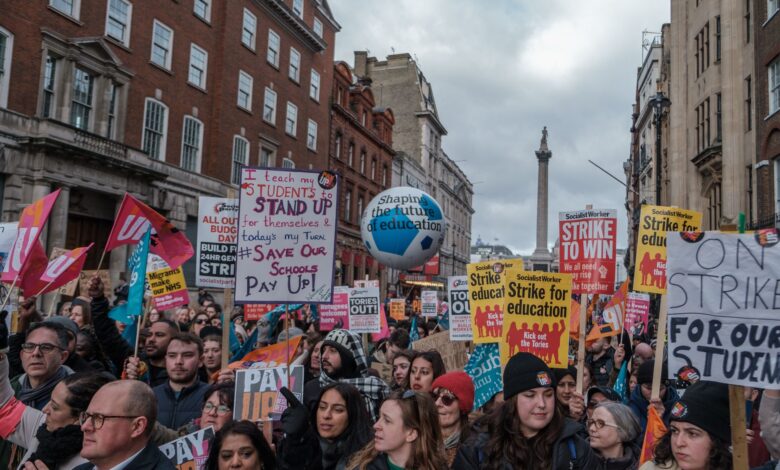
The current situation in France is characterized by a standoff between the government and a populace that feels increasingly alienated from political decision-making. The government, tasked with managing the country’s finances and social contracts, finds its maneuvering space constrained by both domestic opposition and external economic pressures. This crisis is not merely a matter of policy disagreement; it reflects a deeper fracture in the social fabric, where the traditional channels of representation appear insufficient to address the urgent needs and anxieties of the citizenry, particularly the younger generation.
At the heart of the controversy is the tension between fiscal responsibility and social equity. The state faces significant economic pressures, including the need to manage public debt and control inflation, which often necessitates austerity measures or structural reforms. However, these measures are perceived by many, including the protesting students, as regressive and lacking in political legitimacy. The students’ return to the streets signals that the current compromise, if one exists, is failing to satisfy the demands for a more equitable distribution of the economic burden. This highlights a broader geopolitical and domestic trend where economic policy is no longer seen as a technical issue but as a matter of social justice and political survival.
The government’s strategy to navigate this crisis involves a delicate balancing act. On one hand, it must project stability and competence to international partners and markets, ensuring that France remains a reliable actor in the European Union and global economic forums. On the other hand, it must address the legitimate concerns of its citizens to prevent further social unrest. This dual pressure creates a significant strategic dilemma. Any move toward stricter enforcement or heightened security in response to the protests risks exacerbating the perception of authoritarianism, potentially fueling further radicalization and instability. Conversely, a failure to address the underlying economic grievances may lead to a prolonged state of social unrest, undermining the country’s long-term economic prospects and political cohesion.
Historical context is crucial in understanding the current dynamics. France has a long tradition of street protests as a primary mechanism for political expression and social change. From the May 1968 uprisings to more recent movements against pension reforms, the French public has consistently used the streets to challenge government authority when institutional channels seem blocked. The current wave of student protests fits into this historical pattern, reflecting a generational shift in the nature of these demands. While previous movements may have focused more on labor rights or pension security, the current student-led actions suggest a growing concern over the future prospects of young people in an increasingly precarious economic environment. This indicates a shift in the political agenda, where intergenerational equity is becoming a central issue.
The implications of this crisis extend beyond domestic politics, affecting France’s standing within the European Union. As a key member of the EU, France’s internal stability is closely watched by other member states. Prolonged social unrest and political indecision can undermine confidence in the French economy, potentially impacting the eurozone and broader European integration efforts. The crisis also poses challenges for the EU’s own policy agenda, particularly regarding economic governance and social cohesion. The French case serves as a test for the EU’s ability to support member states in managing social and economic transitions without succumbing to populist pressures or fiscal rigidity.
For the major actors involved, the stakes are high. The government seeks to restore order and implement necessary reforms while maintaining its legitimacy. The opposition parties and civil society groups, including the students, aim to hold the government accountable and push for a more inclusive and equitable policy framework. International actors, including the EU and global financial institutions, are interested in ensuring that France remains stable and prosperous, as the country’s economic health is integral to the broader European and global economies. The outcome of this crisis will depend on the ability of these actors to find a sustainable resolution that addresses the root causes of the discontent while preserving the rule of law and social peace.
As the students remain on the streets, the central tension remains unresolved. The government’s search for a way out of the crisis is complicated by the depth of the public’s dissatisfaction and the complexity of the issues at hand. The next phase of this development will likely involve intensified negotiations between the state and the protest movements, as well as a continued scrutiny of the government’s economic and social policies. The outcome of these negotiations will be critical in determining whether France can emerge from this crisis with a renewed social contract or if it will face a prolonged period of instability and division. The streets of Paris will continue to serve as the primary stage for this unfolding drama, where the future of French society is being contested and shaped.