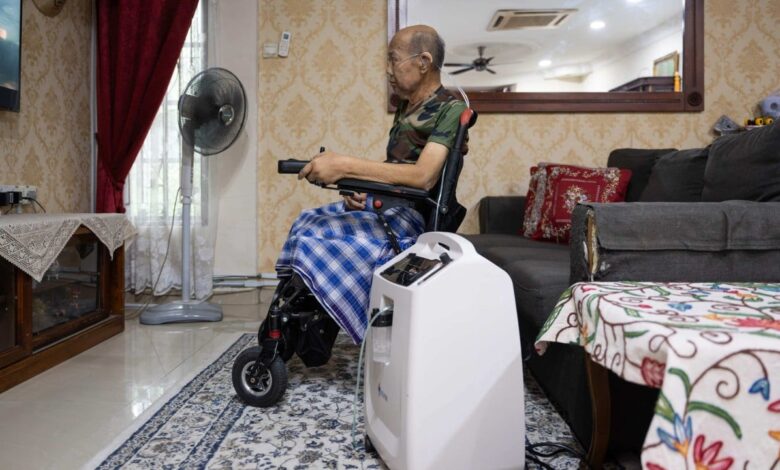
The environmental hazard has created an immediate surge in demand for protective equipment across the region. Manufacturers report that families are rushing to purchase devices to ensure indoor air quality, specifically driving up sales of oxygen tanks and air purifiers. At AA Alive, a medical equipment company located just outside Kuala Lumpur, employees are working extended hours to meet the urgent demand for equipment providing life-saving clean air. Manufacturers indicate they are working the clock to produce and distribute these devices as the haze persists.
The current situation highlights the transboundary nature of the haze, which originates in Indonesia but affects neighboring countries in southern Southeast Asia. While the fires are described as seasonal, the intensity of this year’s event is attributed to specific meteorological conditions. The “super-El Nino” effect has created severe drought conditions, which in turn have intensified the wildfires and the resulting smoke output. This combination of natural fire and extreme weather has escalated the health risks for millions of people in the region.
Public health impacts are already evident, with respiratory complaints increasing alongside the concentration of airborne pollutants. The necessity for school closures indicates that the air quality has reached levels deemed unsafe for vulnerable populations, particularly children. The shift in consumer behavior, with a rush to buy air purification technology, underscores the perceived severity of the threat. Medical equipment firms are now operating under significant pressure to supply the market with the necessary tools to mitigate health risks during this prolonged environmental crisis.
As the wildfires continue, regional authorities and health officials are monitoring the situation closely. The highest-level alert status signals that the haze is not expected to dissipate quickly. Manufacturers of air quality equipment and medical supplies are preparing for sustained demand as long as the drought conditions and fires persist. The focus remains on providing immediate relief to affected communities through improved indoor air quality while the broader environmental conditions stabilize.