The legal significance of the case extends beyond the individual charges, which include establishing and managing a criminal organization, bribery, money laundering, and fraud against public institutions. The trial’s structure and the circumstances surrounding the indictment have raised profound questions about the independence of the judiciary and the boundaries of political opposition. For defendants currently in pre-trial detention, the process has become a test of constitutional rights, specifically the presumption of innocence and the right to an effective defense.
The prosecution’s case is anchored in a 3,900-page indictment completed 237 days after İmamoğlu’s initial detention on March 19, 2025. Prosecutors allege that İmamoğlu, along with municipal officials and business associates, led a network that manipulated public tenders, accepted bribes, and laundered illicit funds through shell companies. The evidence presented includes reports from the Financial Crimes Investigation Board (MASAK), technical surveillance data, and testimonies from 25 witnesses. A central piece of evidence is a leaked video showing bags of cash, which prosecutors link to allegations of vote buying and extortion. The indictment further alleges that the network illegally obtained personal data of Istanbul residents and, in a separate line of inquiry, aided the PKK terrorist group by recruiting sympathizers, although a request for a secondary arrest on these terror charges was previously rejected by the court.
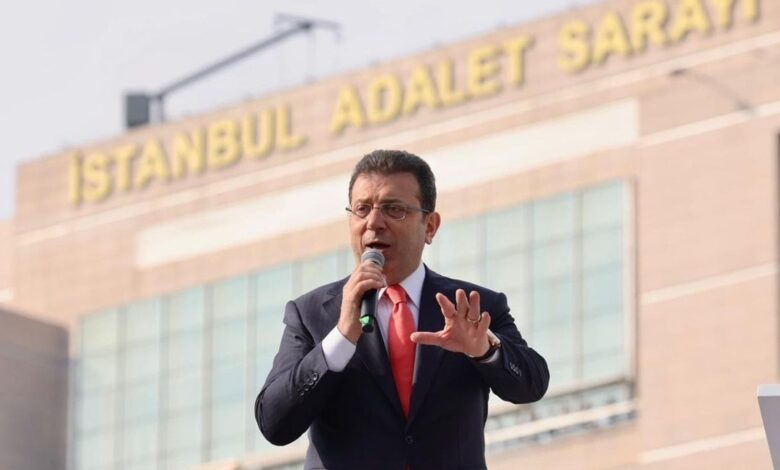
Defendants and their legal teams have vigorously contested the narrative, arguing that the charges are constructed to portray the CHP and its municipal operations as a criminal entity. İmamoğlu, in a statement published prior to the hearings, characterized the proceedings as a “political intervention” and described the trial as one of the toughest tests for Turkish democracy. He argued that the independence of the judiciary has been compromised, particularly following the 2017 system changes that placed the Council of Judges and Prosecutors under the influence of the ruling alliance. The defense has highlighted the timeline of events, noting that İmamoğlu was detained just four days after Istanbul University’s Senate canceled his undergraduate diploma, a move the defense links to the broader political context rather than an isolated academic review.
The procedural handling of the trial has drawn sharp criticism regarding due process. On the first day of hearings, defense attorneys requested that İmamoğlu be heard first, but the presiding judge ordered that he be heard last. When İmamoğlu sought to raise a procedural objection, he was denied the floor, leading to tensions that resulted in the clearing of the public gallery. When he was eventually permitted to speak, he described the case as “one of the most significant political trials in the history of the Republic of Türkiye,” stating that he had spent a year in solitary confinement in a 12-square-meter cell. The court’s restrictions on access have been a focal point of dispute; the Silivri District Governorate banned meetings and demonstrations near the prison, and requests to broadcast the hearings on state television were denied. Journalist access was limited to 25 observers, and defense teams were restricted to three lawyers per defendant.
Other defendants have used the hearings to contextualize their detention within the political landscape. Resul Emrah Şahan, the detained Mayor of Şişli, took the stand to argue that his arrest was linked to his refusal to approve a 72-storey skyscraper project on municipal land. “I am in custody today not because I did what the contractors wanted, but because I didn’t,” Şahan stated, citing a dispute with a construction company. He further alleged that his detention was connected to the CHP’s “Turkey Alliance” policy, which advocates for the representation of Kurds in western provinces. CHP Leader Özgür Özel has also entered the public discourse, announcing that a witness in the case, Murat Kapki, had retracted his statement, claiming he was deceived by promises of release during the investigation.
The legal battle now hinges on whether the court will uphold the integrity of the prosecution’s evidence or acknowledge the defense’s claims of procedural bias. The interim ruling on the defendants’ detention status, expected at the end of the current 45-day phase, will be a critical indicator of the court’s stance. As the trial proceeds, the tension between the prosecution’s assertion of a criminal enterprise and the defense’s characterization of the case as a political maneuver remains unresolved, with the final determination of guilt or innocence still years away.