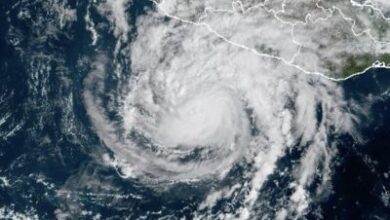
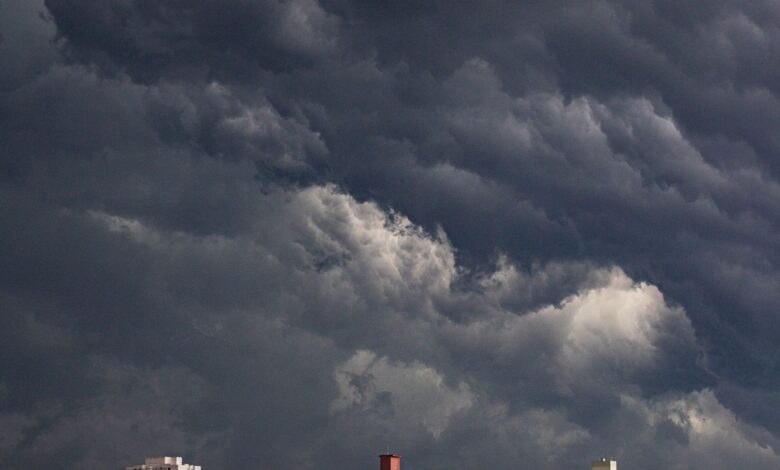
The orange code typically signifies a high probability of severe weather conditions requiring significant caution, while the yellow code indicates that precautions should be taken due to potentially hazardous conditions. The ministry’s announcement covers a substantial geographic spread, affecting both the 10 provinces at the highest alert level and the 26 provinces at the secondary alert level. Minister Kurum emphasized the need for citizens to be prepared for possible disruptions or dangers associated with the forecasted meteorological developments.
The ministry, which oversees climate change and urban planning in addition to environmental protection, regularly issues these color-coded warnings to inform the public and coordinate emergency services. The specific meteorological phenomena triggering these alerts, such as heavy rainfall, strong winds, or temperature extremes, are detailed in the accompanying meteorological bulletins, though the minister’s public statement focused primarily on the alert levels and the call for public safety.
This advisory follows standard procedures for communicating weather risks to the population. By distinguishing between the 10 provinces under the highest alert (orange) and the 26 under a lower but still significant alert (yellow), the authorities aim to guide targeted preparedness efforts. The ministry has not specified the exact duration of these alerts in the initial announcement, but the immediate call for caution suggests that the adverse conditions are expected to impact the designated regions in the near term.
Citizens in the affected 36 provinces are advised to monitor official channels for further updates and to take necessary precautions to protect themselves and their property. The ministry’s role in this instance highlights the integration of climate monitoring with public safety communications, ensuring that meteorological risks are transparently conveyed to the public. No specific casualty figures or damage reports were included in the initial warning, as the alerts are preventive in nature.
The next step involves continued monitoring by meteorological services to assess the evolution of the weather systems. Authorities will likely issue further updates if the conditions intensify or if the alerts need to be extended or modified. The public is encouraged to stay informed through official ministry channels to ensure they are prepared for any changes in the weather outlook over the coming hours.