The GRAP-1 protocol, applicable when AQI readings fall between 201 and 300, mandates strict source control measures. Authorities have banned the use of coal and firewood in tandoors at hotels and restaurants, restricting these establishments to electricity, gas, or other clean fuels. Open burning of garbage, leaves, and other waste is prohibited. Additionally, diesel generators are restricted to essential or emergency use only, and vehicles that visibly emit excessive pollution face fines or impoundment. Construction sites exceeding 500 square metres must implement approved dust management plans, while diesel vehicles older than 10 years and petrol vehicles older than 15 years remain banned from entering Delhi.
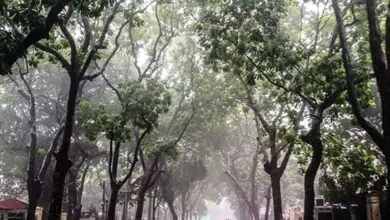
Hourly monitoring data indicates that nighttime conditions are the primary driver of this week’s pollution spike. At 1 am on October 21, 45 of Delhi’s 53 reporting monitors recorded air quality in the “Poor” or worse category. The city’s average concentration of fine particulate matter (PM2.5) reached 191.2 micrograms per cubic metre during that hour, classified as “Very Poor” by the Central Pollution Control Board (CPCB). This was the highest recorded level for the week beginning October 14. Analysis shows that two-thirds of the week’s “Very Poor” or “Severe” readings occurred between 9 pm and 6 am.
Weather conditions played a significant role in the accumulation of pollutants. The India Meteorological Department (IMD) noted that weak winds, averaging 0.6 metres per second around midnight compared to 1 metre per second at 3 pm, limited the dispersal of pollutants, allowing them to settle near the ground. Consequently, air quality was dirtiest around midnight, with an average PM2.5 concentration of 80.4 micrograms, and cleanest at 3 pm, at 44.4 micrograms. While Dussehra festivities, including firecrackers and effigy burning, and weather patterns may have contributed to the rise, the AQI figures alone do not quantify the specific contribution of each source.
Agricultural stubble burning, a common contributor to winter pollution, has not yet significantly impacted this week’s readings. The Indian Agricultural Research Institute (IARI) counted only 506 crop fires in Punjab, Haryana, and Uttar Pradesh from October 1 to 20, a figure far below the 817 recorded during the same period last year and the historical range of 2,031 to 9,722. Historically, between 83.6% and 94.5% of crop fires in these states occur after October 20. Despite the currently low fire count, the average PM2.5 concentration in Delhi’s air has increased by approximately 20% since the start of October, rising from 59.3 to 71.2 micrograms per cubic metre.
Forecasts from the IMD and the Indian Institute of Tropical Meteorology (IITM) indicate that air quality is likely to remain in the “Poor” category for the coming days. The Delhi government has also prepared a “Winter Action Plan” for implementation from November 1 to February 28, which will include construction curbs, AI-based site monitoring, and 50% work-from-home mandates. Residents are advised to wear N95 masks outdoors and move strenuous exercise indoors during high pollution periods.