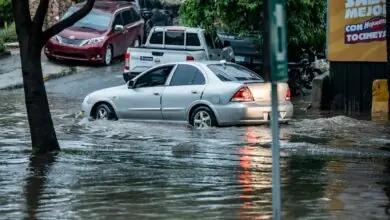
In the Philippines, where the storm was named Inday, the Office of Civil Defense reported 26 deaths from drowning and landslides, with 14 people missing. More than one million people were affected, and 766 houses were destroyed. The heaviest loss of life occurred on the southern island of Mindanao, with ten deaths in Sarangani, seven in Lanao del Sur, four in Davao Occidental, and two in Bukidnon. These fatalities occurred in areas characterized by fragile housing on unstable slopes and floodplains, lacking adequate drainage or protective infrastructure. The disaster coincides with a major corruption investigation into 9,855 flood-control projects worth approximately $8.8 billion USD, though no direct link has been established between the under-investigated projects and the specific communities struck by Bavi.
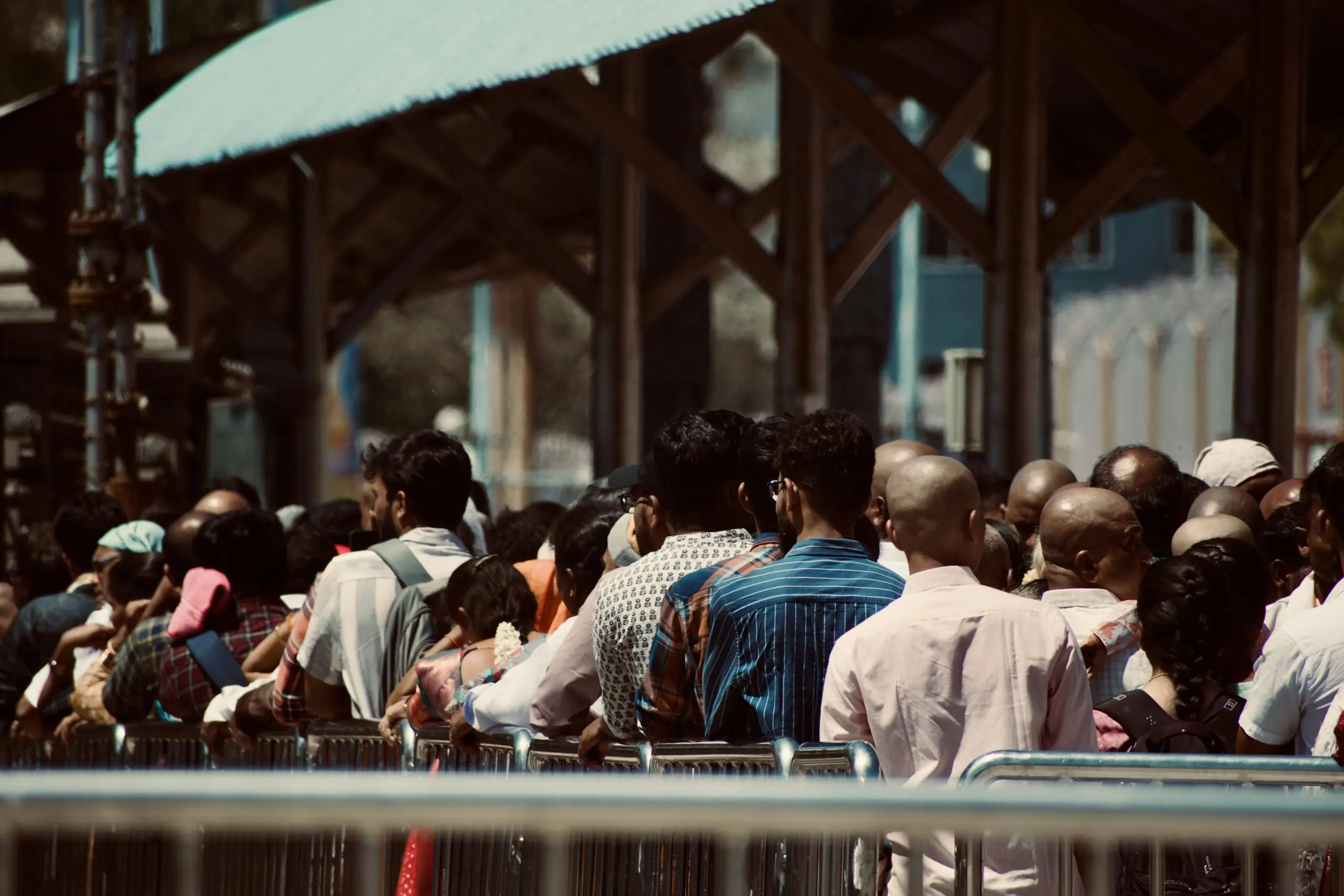
As Bavi moved north, it lashed Taiwan and China. In Taiwan, the storm caused 134 injuries, mostly from falls or flying debris, and forced the evacuation of more than 14,000 residents. No deaths were reported in Taiwan, a outcome attributed to effective closures and warnings. Over 170,000 households suffered power outages. Bavi made landfall in Zhejiang province late on July 11, having weakened to winds of 144 kilometers per hour. Chinese authorities evacuated 1.72 million people in Zhejiang alone, with total evacuations across China exceeding 2.8 million. The storm submerged roads in Hebei and Liaoning provinces, causing 46 rivers to rise above warning levels and stranding approximately 1,800 villagers in Kuancheng.
The impact in China was compounded by recent weather events. Tropical Storm Maysak, which struck just a week prior, had already killed 39 people in Guangxi and damaged a reservoir dam in Hengzhou, leading to the evacuation of 130,000 people. NASA reported sea-surface temperatures of approximately 30 degrees Celsius along Bavi’s path, contributing to its intensity. Bavi was the third tropical cyclone of 2026 to reach Category 5 strength. The storm’s vast circulation intensified the southwest monsoon, producing days of torrential rain across the region.
As Bavi moved northwest toward Yiwu, it further downgraded to a severe tropical storm. Forecasters warned of continued heavy rains and flash floods in eastern Zhejiang and northeastern Fujian. The response in China involved suspending schools and transport services, canceling over 400 flights, and ramping up water discharge from the Miyun Reservoir in Beijing to capture potential floodwaters. The contrasting outcomes between the Philippines and China underscore the role of infrastructure investment and mobilization in mitigating loss of life during extreme weather events.