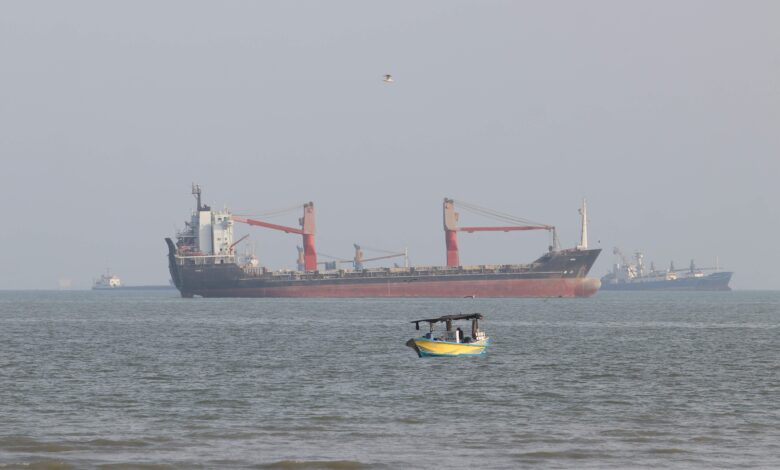
The IRGC warned that it would strike U.S. military bases in the region if the United States continues to guide commercial ships through the strait. This threat comes as the U.S. military deploys a third aircraft carrier and thousands of troops to the Middle East, creating the largest concentration of American warships and aircraft in the region in decades. The deployment is intended to counter Iranian threats and support regional stability as tensions escalate ahead of the October 27 Israeli election and the U.S. midterm elections.
Diplomatic channels remain active but fragile. Iranian Foreign Minister Abbas Araghchi stated on Wednesday that Tehran remains open to diplomacy but is prepared to defend itself. Iran has proposed a plan to fully open the strait within one week if the United States meets several conditions, including ending the blockade of Iranian ports. This proposal echoes a previous deal that collapsed within days of its signing in June. Although U.S. President Donald Trump rejected a similar seven-day proposal in late September, both sides have acknowledged that indirect discussions have continued.
Maritime security in the region has deteriorated significantly. According to the United Kingdom Maritime Trade Operations (UKMTO), October has recorded the highest number of reported attacks on commercial shipping since the conflict began in late February. UKMTO noted a growing reluctance among some shippers to report incidents, which may obscure the full extent of the threat. While the UK monitor did not specifically report the latest attacks on the seven tankers, the trend indicates a widening risk to global energy supplies. Experts note that while oil producers have found ways to keep crude flowing, the cost is mounting, contributing to inflation and voter anger in the United States.
Analysts warn of a potential kinetic escalation. Danny Citrinowicz, a researcher at Israel’s Institute for National Security Studies, told the Associated Press that a clear victory for Prime Minister Benjamin Netanyahu in the upcoming election would make an attack on Iran “almost guaranteed.” He accused Israel of rushing into a new round of conflict without revamping its strategy. Meanwhile, Iran has indicated it may expand its targets to include infrastructure such as undersea cables and data centers. The head of Iran’s Supreme National Security Council, Mohsen Rezaei, acknowledged that the Islamic Republic will suffer under a prolonged U.S. blockade but insisted that economic pain does not equate to strategic collapse.
The next expected development involves the continuation of indirect talks between Washington and Tehran, alongside the U.S. military’s increased presence in the region. Any resumption of full-scale fighting would likely endanger civilians throughout the region and complicate global deliveries of oil, natural gas, and related products, potentially causing another spike in global prices.