
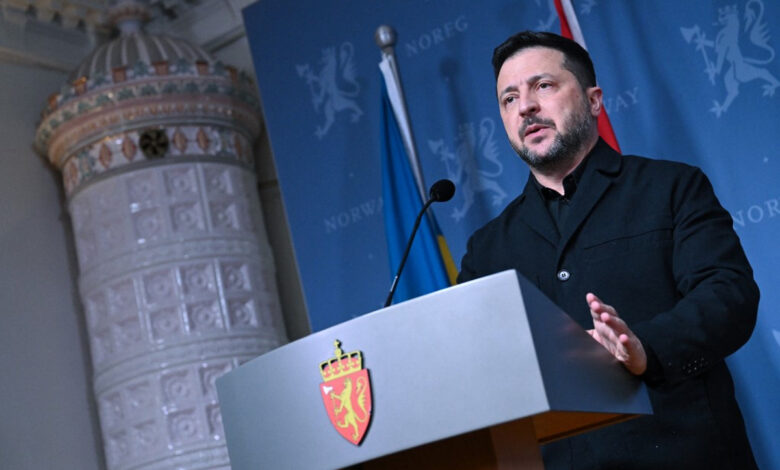
Zelensky’s comments were a direct response to inquiries from Norwegian broadcaster NRK regarding whether Russian President Vladimir Putin was utilizing Iran as geopolitical leverage against the United States. A journalist raised concerns that the Trump administration might be reluctant to increase pressure on Moscow due to fears that Russia could retaliate by expanding its military support for Tehran. Zelensky declined to speculate on Putin’s specific intentions but stated clearly that, based on available evidence, “Russia stays on the side of Iranians.” He noted that Ukrainian authorities had observed distinct details of drones delivered by Russia to Iran, reinforcing earlier intelligence findings that Moscow had helped monitor US military installations in the Middle East.
The strategic significance of these allegations lies in the evolving nature of the Russia-Iran military partnership. Since Russia launched its full-scale invasion of Ukraine in February 2022, the relationship between Moscow and Tehran has deepened considerably. Initially, the flow of military aid was primarily unidirectional, with Iran supplying Russia with Shahed attack drones. Moscow subsequently began manufacturing these drones domestically and deploying them extensively against Ukrainian cities and critical infrastructure. However, recent developments indicate that this assistance has become reciprocal. Zelensky warned that Russia is using its own intelligence capabilities, including signals and electronic intelligence, to support Tehran, contributing to instability in the Middle East.
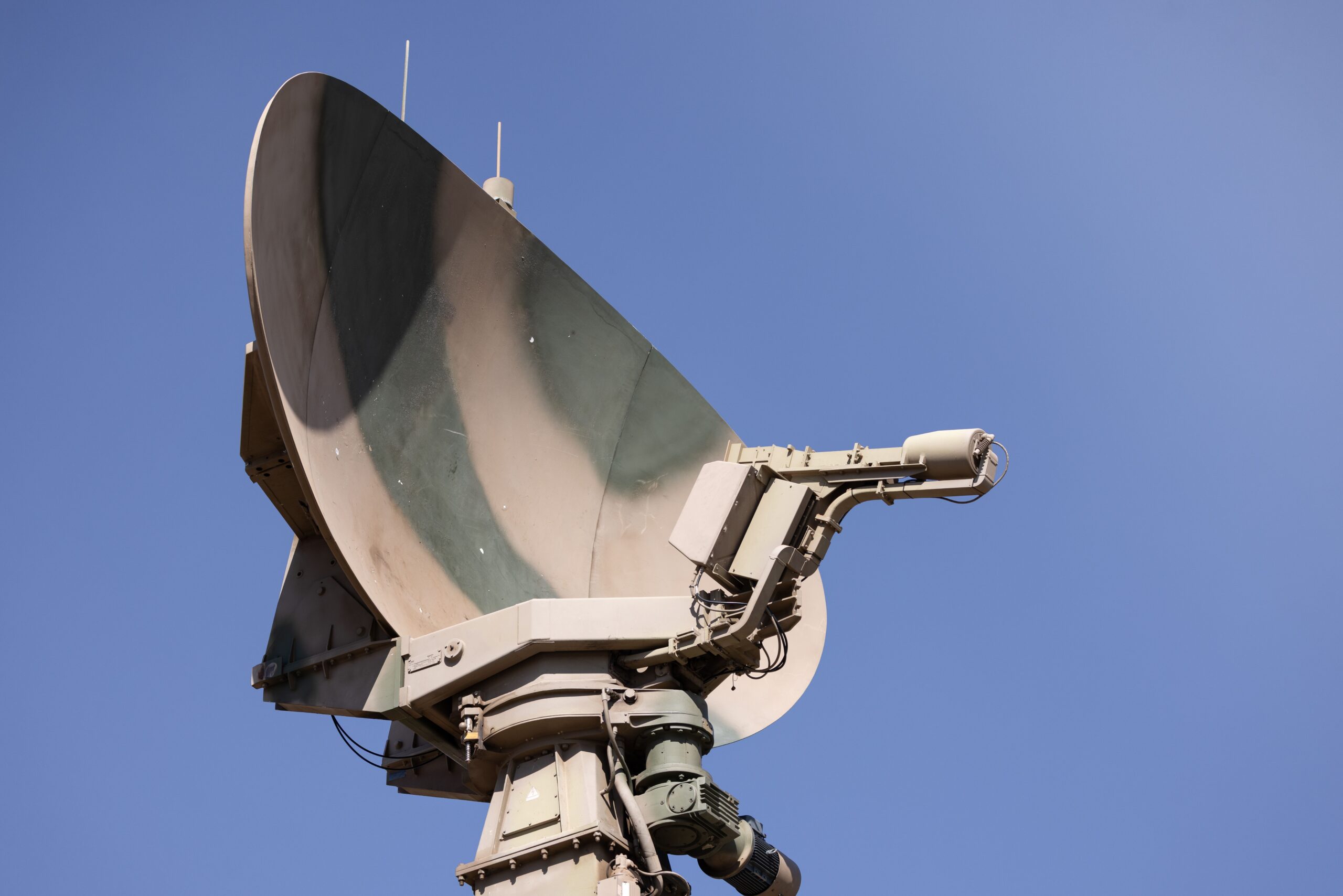
Ukrainian intelligence has previously disclosed evidence of a Russian-Iranian reconnaissance network involving satellite surveillance of US and Gulf military installations. According to findings reported in September, Russian satellites monitored military facilities both before and after Iranian attacks. This suggests that Moscow may have been assisting Tehran in identifying potential targets and assessing the results of its strikes. Specifically, Zelensky revealed that between July 19 and 20, Russian satellites had monitored four military air bases in the Middle East: two in Bahrain, one in Jordan, and one in Kuwait. Such capabilities would allow for both operational planning and post-strike damage assessments, effectively giving Moscow insight into US and allied force dispositions in the region.
These disclosures stand in sharp contrast to the position taken by the US administration. On October 13, President Trump stated that he did not believe Russia or China was significantly helping Iran, despite US intelligence reports indicating that Moscow had provided Tehran with military intelligence and other assistance. The discrepancy between Ukrainian claims and US statements highlights a potential divergence in assessment of Russia’s global military engagements. Zelensky’s remarks also echoed a warning he issued in March, when he wrote on X that Ukrainian intelligence had obtained evidence of Russian intelligence assistance to Iran. In that earlier instance, Zelensky told CNN that Russia was supplying Iranian forces with drones amid attacks involving US and Israeli targets.
The logistical and political constraints of this dynamic are complex. The alleged intelligence sharing represents a significant escalation in the cooperation between the two nations, moving beyond material support to the exchange of sensitive real-time data. For the United States and its allies, this raises concerns about the security of military assets in the Gulf region. If Russian satellites are indeed being used to track US installations, it undermines the operational security that underpins deterrence capabilities in the Middle East. Furthermore, the reported intelligence suggests that Moscow is leveraging its relationship with Tehran to influence the broader geopolitical balance, potentially using Iran as a counterweight to US influence.
Complicating the diplomatic landscape is a previously reported proposal that underscores the transactional nature of these interactions. In September, it was reported that a Kremlin envoy, Kirill Dmitriev, floated a proposal to halt intelligence-sharing with Iran in exchange for Washington terminating its intelligence support for Ukraine. According to the reporting, this proposal was rejected by Washington. The existence of such a proposal suggests that Moscow views its intelligence cooperation with Iran as a bargaining chip in the wider conflict with the West. Zelensky’s current remarks reinforce the view that this cooperation is active and ongoing, challenging the narrative that Russia’s support for Iran is limited or insignificant.
The immediate military objective for Russia, if these claims are accurate, appears to be the enhancement of Iran’s targeting capabilities and the preservation of its own strategic interests in the region. By providing satellite intelligence, Russia gains a degree of influence over Iranian military operations while potentially limiting the effectiveness of US and Israeli countermeasures. The capabilities involved—specifically satellite reconnaissance—are high-value assets that provide a persistent, wide-area view of target environments. However, the limitations of this cooperation are not entirely clear. It remains uncertain whether the intelligence sharing is real-time or delayed, and the extent to which Russian signals intelligence is integrated into Iranian command and control structures.
For deterrence and regional security, the consequences are substantial. The alliance between Russia and Iran creates a more complex threat environment for US forces in the Middle East. The potential for Moscow to direct or advise Iranian strikes on US assets introduces a new layer of risk that must be accounted for in operational planning. This development also affects readiness, as US and allied forces must now consider the possibility of being targeted by actors with access to Russian reconnaissance data. The impact on alliances is equally significant, as it raises questions about the reliability of US intelligence assessments and the consistency of diplomatic messaging.
What remains disputed is the extent of the cooperation and the accuracy of the intelligence claims. While Ukrainian officials have provided specific examples, such as the monitoring of air bases in Bahrain, Jordan, and Kuwait, independent verification of these specific satellite tracks is not publicly available. US intelligence reports have acknowledged that Moscow provided Tehran with military intelligence, but the scale and specificity of this support are subjects of ongoing assessment. The discrepancy between the Ukrainian and US public statements suggests that there may be differences in the interpretation of available data or in the prioritization of diplomatic relations.
As Zelensky concluded his remarks in Oslo, the focus shifted back to the ongoing diplomatic efforts to end the war in Ukraine. The President’s visit to Norway and Finland was part of a broader strategy to secure international support and maintain pressure on Russia. However, the revelations about Russian-Iranian cooperation add a new dimension to these talks. The next confirmed military or policy development will likely involve further US assessments of the intelligence sharing and potential adjustments to force postures in the Middle East. The interplay between the war in Ukraine and the conflict in the Middle East is becoming increasingly intertwined, with Moscow’s actions in one theater directly affecting the security environment in the other. The coming weeks will test the resilience of US alliances and the effectiveness of its intelligence community in countering this dual-front threat.




One Comment