
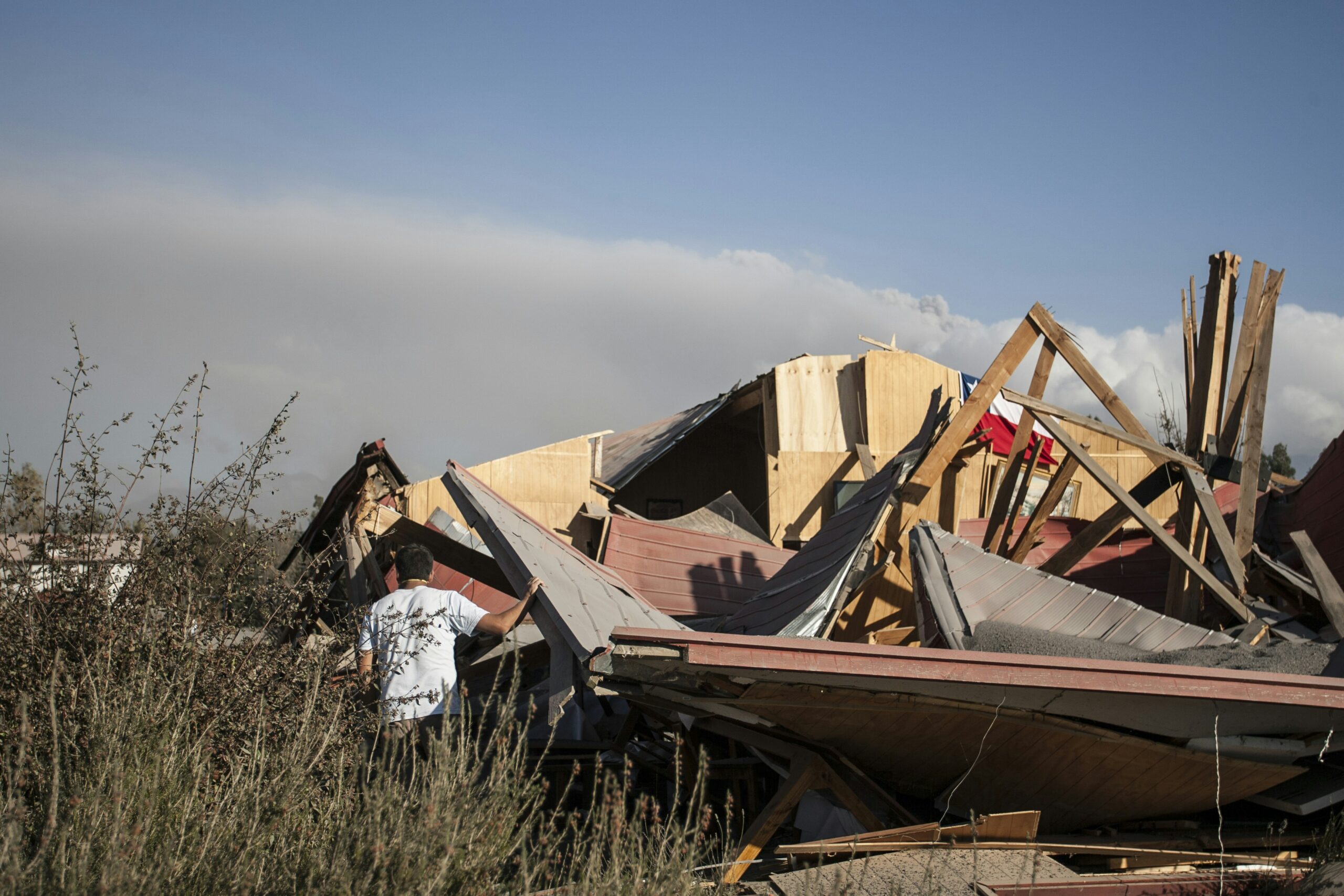
The physical impact on the built environment was extensive. Reports indicate that more than 300 houses in the affected area were either collapsed or damaged. The destruction was not limited to private residences; public infrastructure also suffered. In Maru township, the township office itself sustained damage, a testament to the intensity of the tremors that swept through the community. The collapse of such structures underscores the vulnerability of local infrastructure to high-magnitude seismic events in this region.
In response to the crisis, rescue and relief operations were initiated swiftly. The scale of the response was significant, with over 300 police officers dispatched to the area to assist with search and rescue efforts and to maintain order during the chaotic aftermath. These officers joined the broader relief efforts to navigate the damaged landscape, where the integrity of roads and buildings could not be guaranteed. The deployment of such a large number of personnel highlights the immediate priority placed on saving lives and providing aid to the injured and displaced.
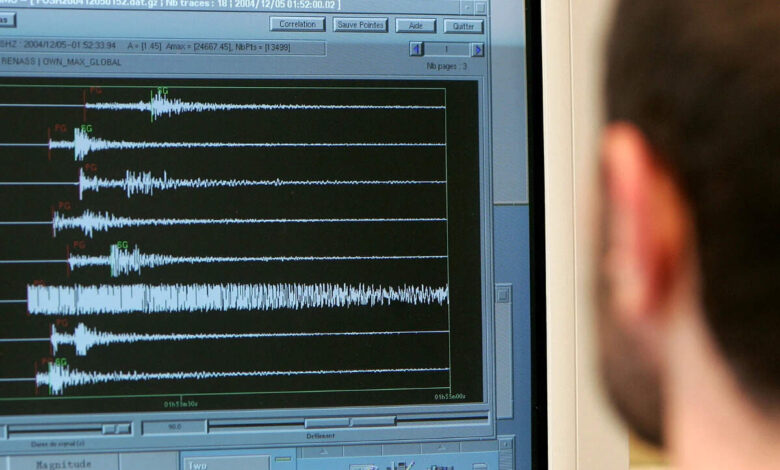
The earthquake’s magnitude of 7.0 places it in the category of major earthquakes, capable of causing serious damage in populated areas. While the specific geological tectonic movements driving this particular event were not detailed in the immediate reports, the severity of the shaking and the resulting structural failures are consistent with the energy release of such a seismic event. The damage to over 300 houses suggests that the epicenter was likely close to populated areas, or that the local construction practices and soil conditions amplified the effects of the ground motion. The presence of a damaged township office in Maru indicates that the tremors were strong enough to compromise reinforced or semi-reinforced concrete structures, which are standard for public buildings in such regions.
The immediate aftermath has shifted the focus from the geological event to the human response. For the residents of Maru township and surrounding areas, the earthquake has disrupted daily life, potentially displacing families from their homes. The 46 injured individuals are likely receiving medical attention, with the severity of their injuries ranging from minor trauma to critical conditions requiring hospitalization. The 16 fatalities represent a tragic loss of life that will ripple through the local community, affecting families and social structures in the days and weeks to come.
The role of the police in this scenario is multifaceted. Beyond direct rescue operations, their presence is crucial for managing traffic, securing damaged structures to prevent further collapse, and coordinating with other emergency services. In a region where remote areas may be difficult to access, the logistical challenge of delivering aid and extracting the injured is substantial. The dispatch of over 300 officers suggests a well-organized mobilization, aiming to cover a wide area of impact and ensure that no community is left without support.
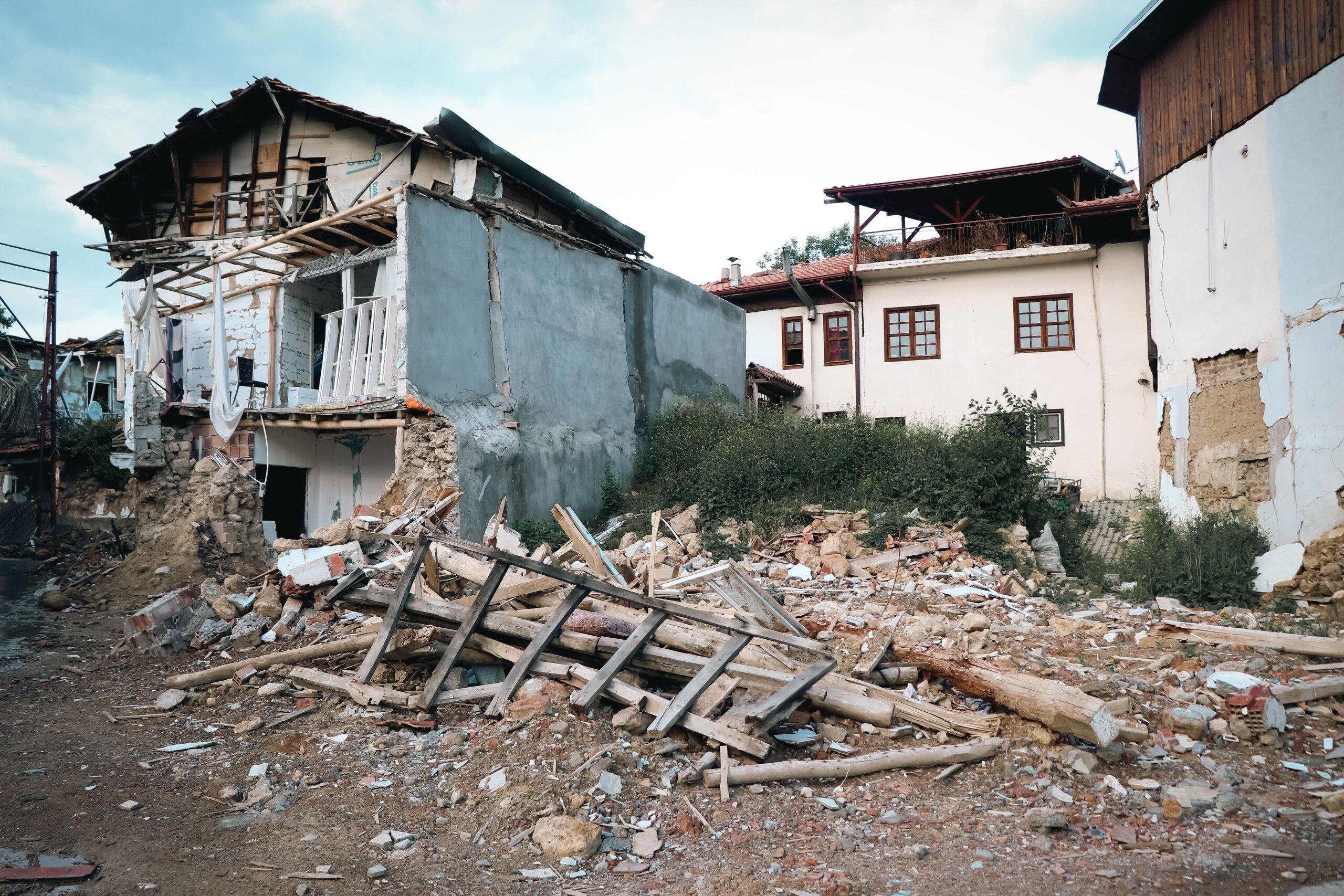
As the immediate rescue phase continues, attention will turn to the assessment of long-term damage and the needs for reconstruction. The collapse of hundreds of homes will require a significant effort to provide temporary shelter and eventually rebuild. The damage to the township office may also disrupt local administrative functions, potentially slowing down the distribution of aid and the coordination of recovery efforts. The resilience of the community in the face of such a sudden and destructive event will be tested in the coming days.
The magnitude 7.0 earthquake in Tibet serves as a stark reminder of the geological risks present in the region. While the immediate news is of loss and destruction, the organized response by local authorities and the mobilization of resources for rescue and relief offer a counter-narrative of preparedness and solidarity. The focus now remains on the survivors, the injured, and the families of the deceased, as the community begins the long process of healing and rebuilding from the aftermath of the tremors.