

The case in Nigeria represents the country’s first confirmed Ebola infection in more than a decade. The patient is a 42-year-old Ugandan-born woman residing in Abuja, who is currently receiving treatment in isolation and showing signs of improvement, according to the World Health Organization (WHO). Her husband, a Swiss diplomat based in Nigeria, accompanied her on a trip to Uganda and is also in isolation but has not developed symptoms. Switzerland’s foreign ministry confirmed the couple’s relationship to Reuters news agency.
The woman returned to Nigeria on 3 October after spending approximately two and a half weeks in Uganda, with a two-hour stopover in Addis Ababa, Ethiopia. She developed symptoms four days after arriving in Abuja. After seeking care at two private health facilities, she tested positive for Ebola on 20 October. Meanwhile, in Kenya, a male traveler who arrived in Nairobi on 3 October after passing through Uganda and the Democratic Republic of Congo (DRC) has died, marking Kenya’s first recorded Ebola death in the current outbreak. Kenya has confirmed nine infections in total, all linked to this initial patient, with no evidence of wider community transmission.
“One of the issues we are currently investigating has been some sort of interaction between the two cases at the airport,” said Dr Wessam Mankoula, head of emergency preparedness and response at Africa CDC. He described this as “one of the possible scenarios” but emphasized that investigators are still examining whether the two infections share a common origin. Dr Patrick Otim, a WHO emergency response official, noted that it is too early to determine where the Nigerian woman became infected, citing difficulties in obtaining a complete account of her movements while she was hospitalized.
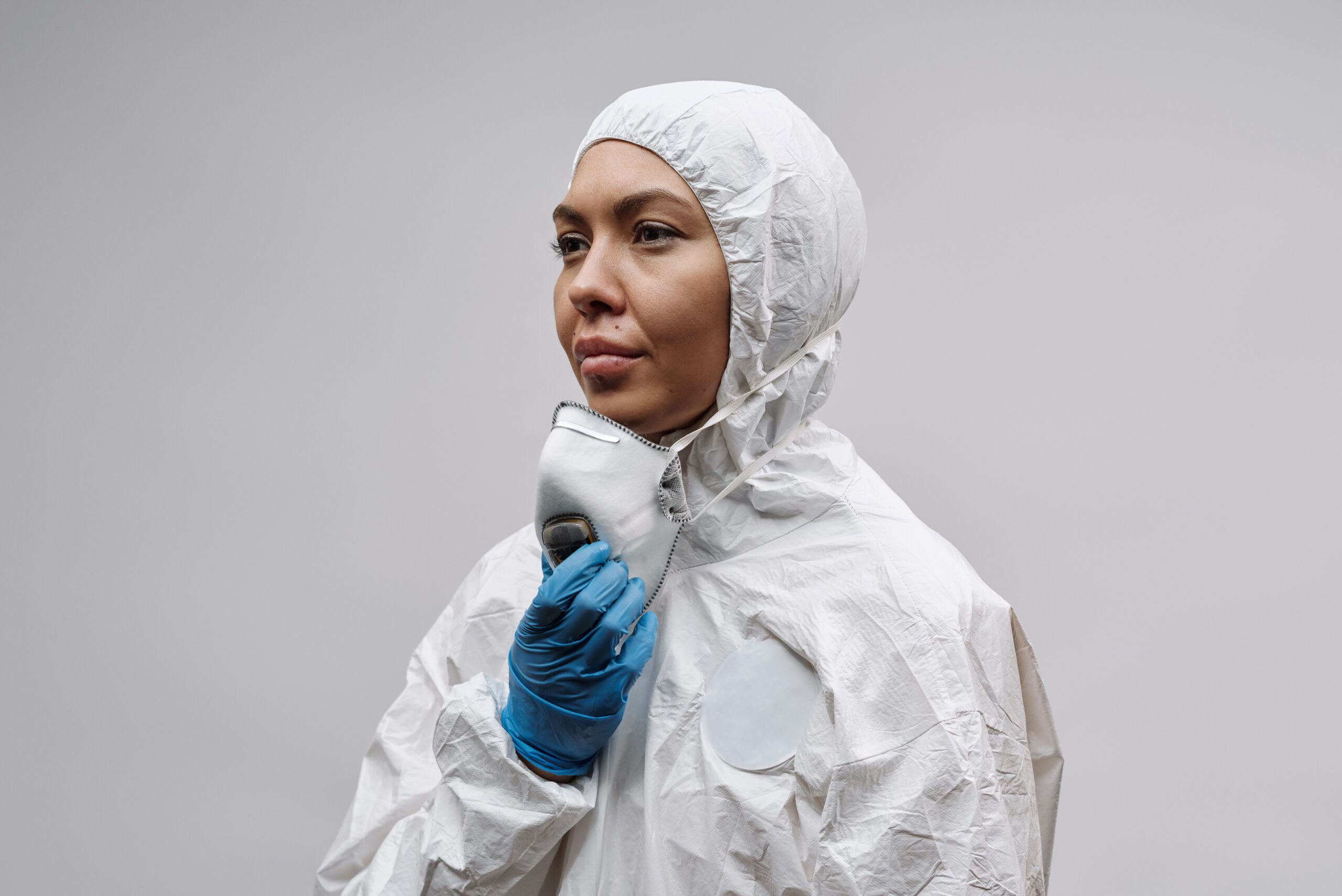
A significant element of the investigation involves reconciling conflicting information regarding the patient’s travel history. Ugandan health officials previously stated that the woman had traveled to eastern DRC for business, the region where the current outbreak originated. However, the WHO, Africa CDC, and Nigeria’s health ministry have stated they have not received verified information confirming this visit. Uganda has maintained that it has no confirmed active Ebola cases and that transiting through the country does not necessarily indicate local transmission.
To resolve these uncertainties, Nigeria’s Centre for Disease Control and Prevention (NCDC) is prioritizing genomic sequencing. “The investigation is reconstructing the full travel and exposure history. Genomic sequencing is given a high priority,” said Dr Pavel Ursu, the WHO’s representative in Nigeria. Genetic analysis could help determine if the viral strains in Nigeria and Kenya are related, providing crucial data on the transmission chain. Dr Ursu added that the patient is receiving a high standard of clinical care and remains stable.
Public health efforts are now focused on contact tracing and containment. Africa CDC reported that Nigerian authorities have identified additional potential contacts beyond the initial 44 reported, primarily healthcare workers from the treatment facilities and family members. “The position of the country [is] to bring those high-risk contact and put them on quarantine,” Mankoula said, though he declined to provide an updated figure before official government findings are released.

In Kenya, the first group of individuals quarantined after possible exposure will begin returning home on Sunday after completing 21 days of monitoring without developing symptoms. Dr Patrick Amoth, Kenya’s Health Director-General, warned that while the eight remaining patients are responding well to treatment, the situation is not over. “We are not out of the woods,” he urged, calling for continued public vigilance without panic.
The developments have heightened concerns about the movement of infected individuals across international borders, particularly between the DRC and neighboring Uganda, where thousands cross daily for trade and family visits. Dr Otim noted that the porous nature of the border makes comprehensive screening difficult, as many travelers use unofficial crossing points. Dr Mohamed Janabi, the WHO’s regional director for Africa, has called for “regional vigilance,” urging nations to strengthen surveillance systems and protect frontline health workers.
Ebola is a severe viral disease transmitted through direct contact with the blood or bodily fluids of an infected person, or with contaminated objects. It does not spread through the air. Symptoms include fever, severe weakness, vomiting, and diarrhea. Individuals are not infectious before symptoms appear. Health authorities emphasize that rapid contact tracing, isolation of suspected cases, and early clinical treatment are the critical pillars of preventing further transmission. As genomic results and detailed travel histories are finalized, the international medical community will await definitive evidence to map the spread of this cross-border outbreak.