Simultaneously, a significant number of Israelis living abroad are returning to cast their ballots, as the country does not offer remote voting for overseas citizens. Ben-Gurion Airport data cited by Channel 13 shows that approximately 245,000 passengers departed Israel between October 17 and 27, 2026, a decline from 270,000 in 2025 and 323,000 in 2022. In contrast, incoming passengers have significantly outnumbered departures by more than 90,000. While these figures include non-voters and minors, the trend suggests many citizens are altering travel plans to participate in the election. The Fly&Vote survey, conducted by the AID Coalition, estimated that about 67,000 overseas Israelis intended to travel to vote, though this figure is based on registration data and voluntary surveys rather than confirmed arrivals.
Political analysts note that the motivations for these young and returning voters are complex. A May survey by the IDI found that 80 to 95 percent of potential young Jewish and Arab voters said they would “definitely” or be likely to vote. National security and the cost of living were identified as top priorities across demographic groups. The IDI noted that while Jewish voters have generally moved rightward over the past two decades, military service does not automatically correlate with nationalist stances; some veterans have raised questions about war goals. Arab Israeli voters have not shifted rightward but are showing higher engagement in this election than in previous cycles.
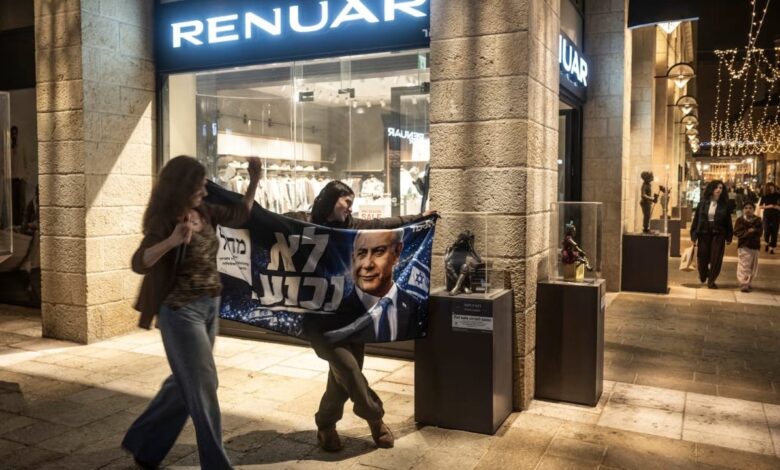
The campaign itself has been characterized by broad consensus among leading contenders on external security matters, including the war in Gaza and tensions with Iran, with few candidates offering clear paths toward a two-state solution. Instead, the primary divisions center on internal politics, specifically the role of the judiciary and the conscription of the ultra-Orthodox Haredi population. The incumbent government, led by Prime Minister Benjamin Netanyahu, has implemented measures to curb judicial powers, including changes to judge appointments and limiting the authority of Attorney General Gali Baharav-Miara. The opposition coalition has promised to reverse these measures if elected. Additionally, the government has maintained its reliance on Haredi parties Shas and United Torah Judaism, which have insisted on legislation to shield ultra-Orthodox youth from conscription, a stance that has become increasingly prominent as military demands have mounted.
Under Israel’s proportional representation system, the 120 Knesset seats are distributed among parties that cross the 3.25 percent electoral threshold. Consequently, small shifts in turnout among first-time and returning voters could influence whether parties close to this threshold secure representation. The next step in the political process is the casting of ballots on Tuesday, following which seat allocation will be determined based on the final vote counts against the statutory threshold.