The long-term outlook for Hungarian energy security is anchored in the European Union’s REPowerEU framework, which prohibits imports of Russian pipeline gas and LNG across the bloc by autumn 2027. For Hungary, this deadline is particularly acute as it is one of only two EU member states, alongside Slovakia, that continues to receive significant volumes of Russian pipeline gas. The decisive moment is expected around 1 October 2027, coinciding with the end of the gas storage season. This leaves Budapest with approximately one year to secure alternative supply routes and infrastructure upgrades.
Recent diplomatic friction has heightened anxiety over this timeline. On 8 September, Hungarian Foreign Minister Anita Orbán announced the expulsion of ten Russian embassy employees for engaging in activities incompatible with their diplomatic status. Moscow labeled the move unfriendly and promised a response, sparking speculation that retaliation could extend to energy supplies. The following day, Russian gas deliveries to Hungary dropped from the standard 22 million cubic meters to approximately 11 million cubic meters. However, this reduction was not a retaliatory measure by Moscow but the result of planned maintenance. Hungary’s gas transmission operator, FGSZ, had previously announced that capacity at the Kiskundorozsma 2 entry point from Serbia would be halved between 9 and 12 September, with additional maintenance scheduled on the Hungarian-Croatian connection at Drávaszerdahely. Normal operations resumed on 12 September, confirming that no deliberate supply cut had occurred.
Despite the lack of immediate retaliation, energy-market experts assess that Russia has little economic incentive to voluntarily abandon one of its last major European pipeline customers. With the Russian wartime economy heavily focused on financing its military efforts, maintaining revenue from Hungarian gas sales remains attractive. Furthermore, Moscow may hope for future improvements in European-Russian energy relations. Nevertheless, the timing of the maintenance window highlighted Hungary’s vulnerability to any genuine interruption. Currently, gas reaches Hungary from Serbia, Romania, Croatia, and Austria, with the Serbian route via the Balkan branch of TurkStream being the most significant. If Russian supplies were to cease abruptly, increased capacity from Romania and Croatia would be critical, though the primary challenge would not be finding gas in absolute terms, but ensuring competitive prices and sufficient infrastructure. Potential workarounds, such as re-routing gas through Turkey, face significant technical and commercial hurdles, including the need for additional compressor capacity and agreements on revenue division between Russia and Turkey.
While the gas transition is a longer-term structural issue, the domestic diesel market faces an immediate operational threat. The Association of Independent Petrol Stations (AIS) has warned that nationwide fuel supply disruptions could occur within two to three weeks. According to AIS President László Gépész, independent retailers are being forced to sell diesel without profit margins while still paying windfall taxes, rendering their business model unsustainable. The warning follows a notice from MOL, Hungary’s largest oil company, stating that diesel fuel supplied from the state’s strategic reserves is expected to run out by Wednesday. From Thursday onward, retailers would reportedly receive diesel at an official fixed price and be permitted to resell it only at that same rate, eliminating any margin for independent operators.
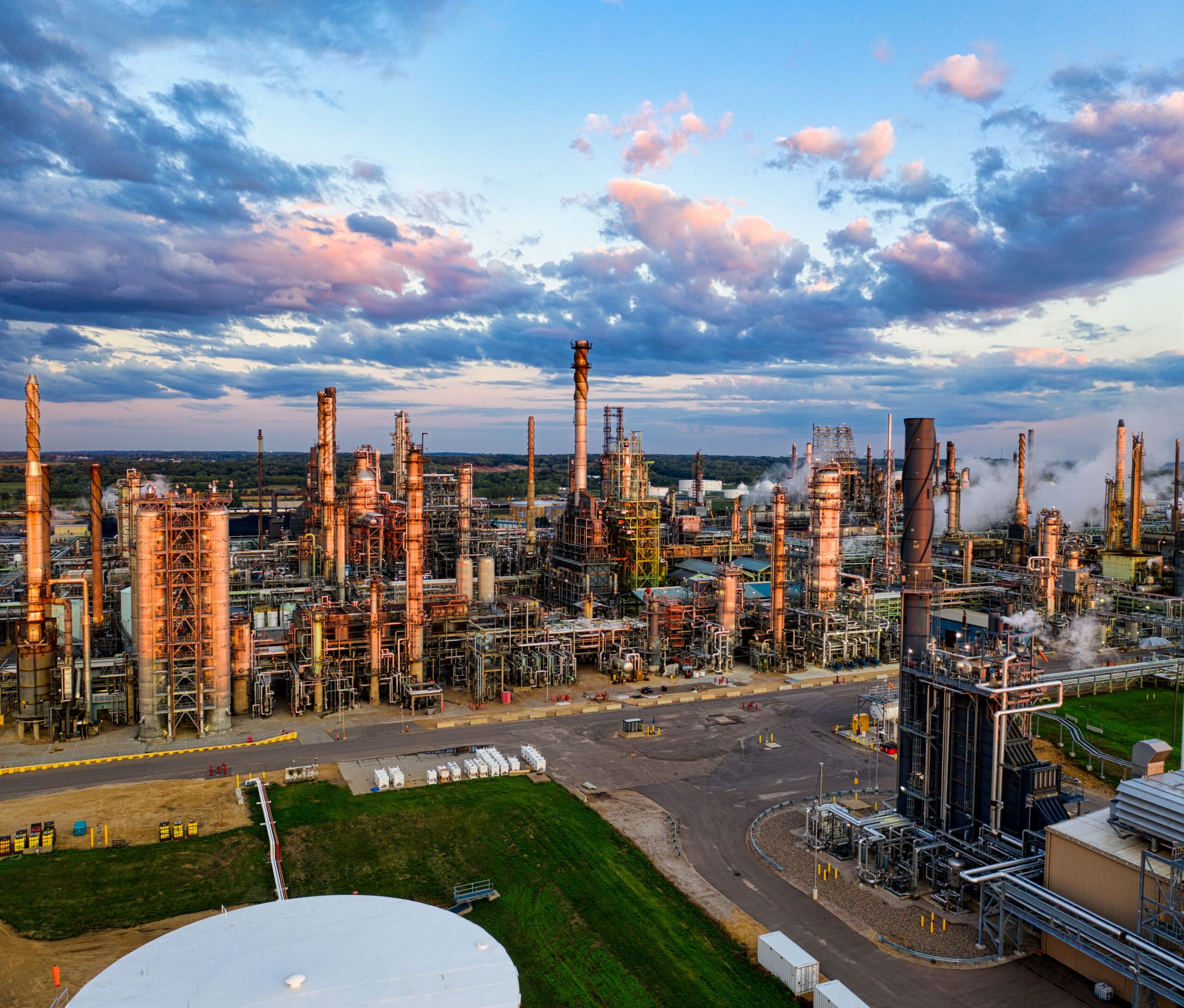
Gépész warned that many independent stations may restrict sales once current inventories are low, while others may temporarily close. This could trigger a cascade of demand shifting to remaining outlets, accelerating closures and potentially replicating the fuel shortage seen in 2022. The AIS argues that the sector generates around 400 billion forints in annual tax revenue while absorbing its own losses, and that previously promised government support has failed to materialize. The association is calling for urgent consultations and the removal of temporary market regulations that it claims distort competition and threaten supply security.
MOL has rejected the characterization of a supply crisis, stating in a statement that Hungary’s supply of both petrol and diesel remains stable. The company confirmed that diesel volumes from state strategic reserves could be depleted by midnight Wednesday but emphasized that it would continue supplying partners using its own production capacity to ensure uninterrupted nationwide availability. The divergence between the industry association’s warnings and MOL’s assurance highlights the tension between regulatory price controls and market sustainability. For Hungary, the next 12 months will test both its ability to replace Russian gas without compromising energy security or incurring excessive costs, and its capacity to maintain domestic fuel distribution under current pricing regulations.